
Enterprise Content Automation: A Practical 2026 Guide
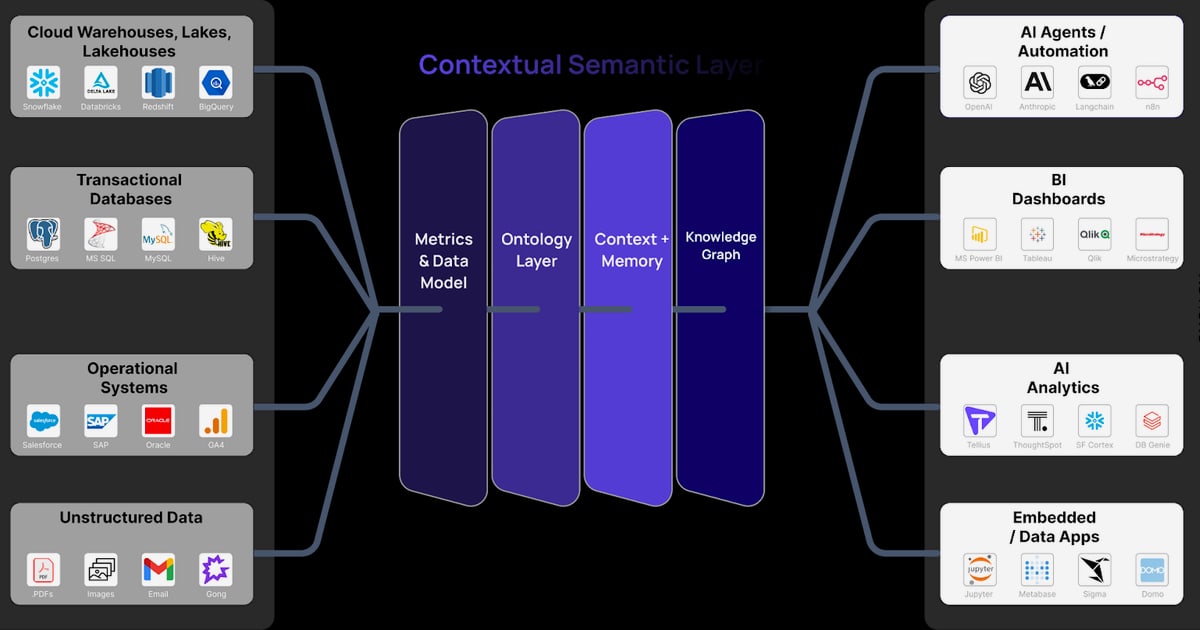
Enterprise content automation is the practice of using software — increasingly AI agents — to capture, classify, govern, produce, and distribute content across an organization without manual handoffs at every step. It is not the same as buying a writing tool. It is an operating model: content enters a governed pipeline, gets enriched with metadata and context, moves through review and approval, and reaches the right audience in the right language.
This guide explains how the discipline works, where it breaks, how it differs from traditional enterprise content management (ECM), and how to choose between a governance-first platform and a publishing-first content engine.
What enterprise content automation actually means
Enterprise Content Automation: A Practical 2026 Guide - What enterprise content automation actually means.
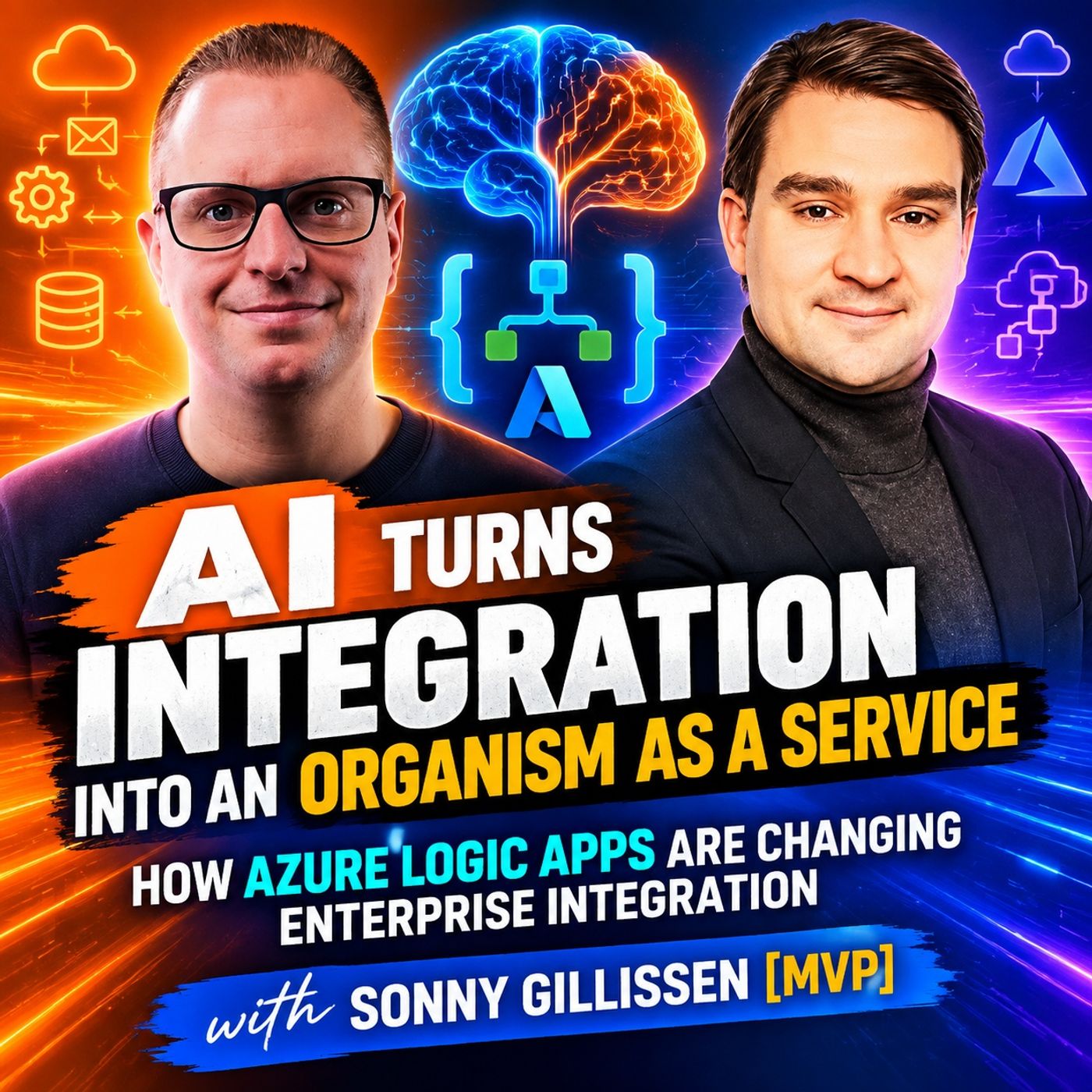
Traditional ECM solved storage and retrieval. Modern automation adds three layers on top:
- Ingestion and classification. Documents, emails, product pages, support tickets, and media are captured and tagged automatically. Metadata is generated rather than typed by hand.
- Workflow orchestration. Content moves through defined states — draft, legal review, localization, publish, archive — with rules that trigger the next step.
- Generation and publishing. AI produces or adapts content, and the system pushes it to the destination: an intranet, a CMS, a hosted site, a help center, or a campaign channel.
The shift matters because unstructured content is the majority of what enterprises hold. IBM's overview of enterprise content management frames it well: content is only valuable once it can be captured, activated, and put in motion for business processes. Automation is what turns a static repository into a working asset.
Why the keyword now covers two different problems
Search interest in "enterprise content automation" splits into two audiences, and confusing them is the most common planning mistake.
1. Records, compliance, and internal knowledge
This is the classic ECM lineage. The priorities are retention policies, access control, audit trails, and defensible disposition. Microsoft's enterprise content management overview describes this scope accurately: structured and unstructured content managed consistently across departments, with governance and lifecycle controls as the core value.
If your bottleneck is finding the current version of a contract, this is your problem.
2. Marketing, SEO, and revenue-facing publishing
This is the newer, faster-moving problem. The priorities are topical coverage, search visibility, brand consistency, multilingual output, and publishing velocity. The content is public, competitive, and perishable — a page that ranks today can decay in a quarter.
If your bottleneck is that competitors publish twenty useful pages a month and you publish two, this is your problem.
Most large organizations have both problems and buy for one, then wonder why the other persists.
The automation stack, layer by layer
Enterprise Content Automation: A Practical 2026 Guide - The automation stack, layer by layer.
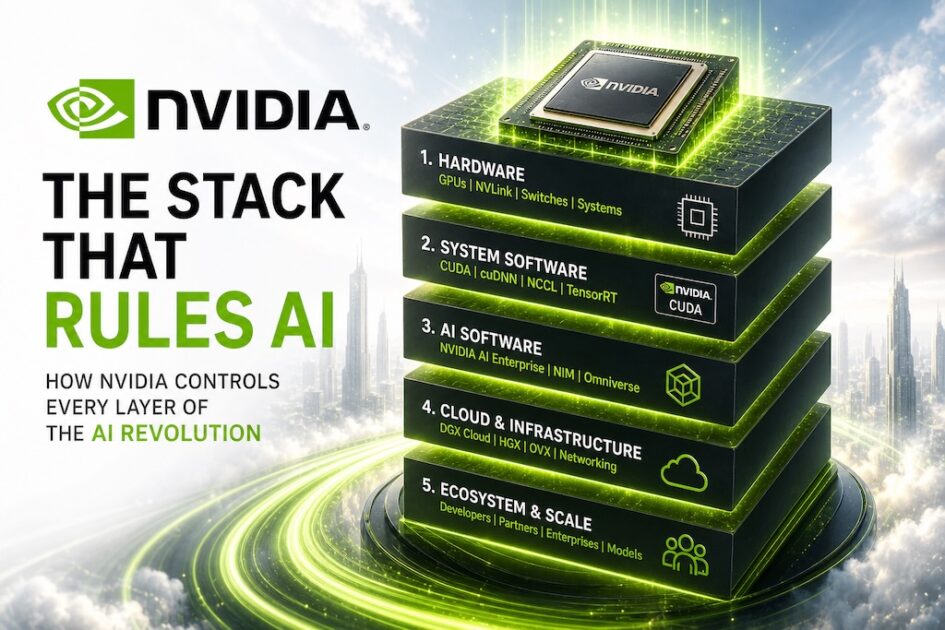
A workable enterprise content pipeline has five layers. Weakness in any one of them caps the value of the rest.
| Layer | Function | Failure symptom |
|---|---|---|
| Source of truth | Product, brand, and policy data the system can reuse | Output contradicts the product or drifts in tone |
| Research and planning | Market, keyword, and topic prioritization | Publishing volume without demand |
| Generation | Drafting in brand voice with evidence | Generic copy that needs full rewrites |
| Governance | Approval, compliance, retention, audit | Legal becomes the bottleneck |
| Distribution | Publishing, localization, updates | Content ships once and never refreshes |
Start with the source of truth, not the writer
Teams usually buy a generator first. That is backwards. Generation quality is bounded by how well the system understands the product, the audience, and the constraints. A reusable brand and product knowledge base — built once, referenced by every downstream task — is what makes scale safe.
This is the same principle behind brand voice AI: consistency at volume comes from a trained, inspectable voice definition, not from prompting harder each time.
Then automate planning
Automation that skips research produces volume without traction. A categorized keyword and topic plan, mapped to real search results and business priorities, is what separates a content engine from a content mill.
Where AI agents change the equation
Enterprise Content Automation: A Practical 2026 Guide - Where AI agents change the equation.
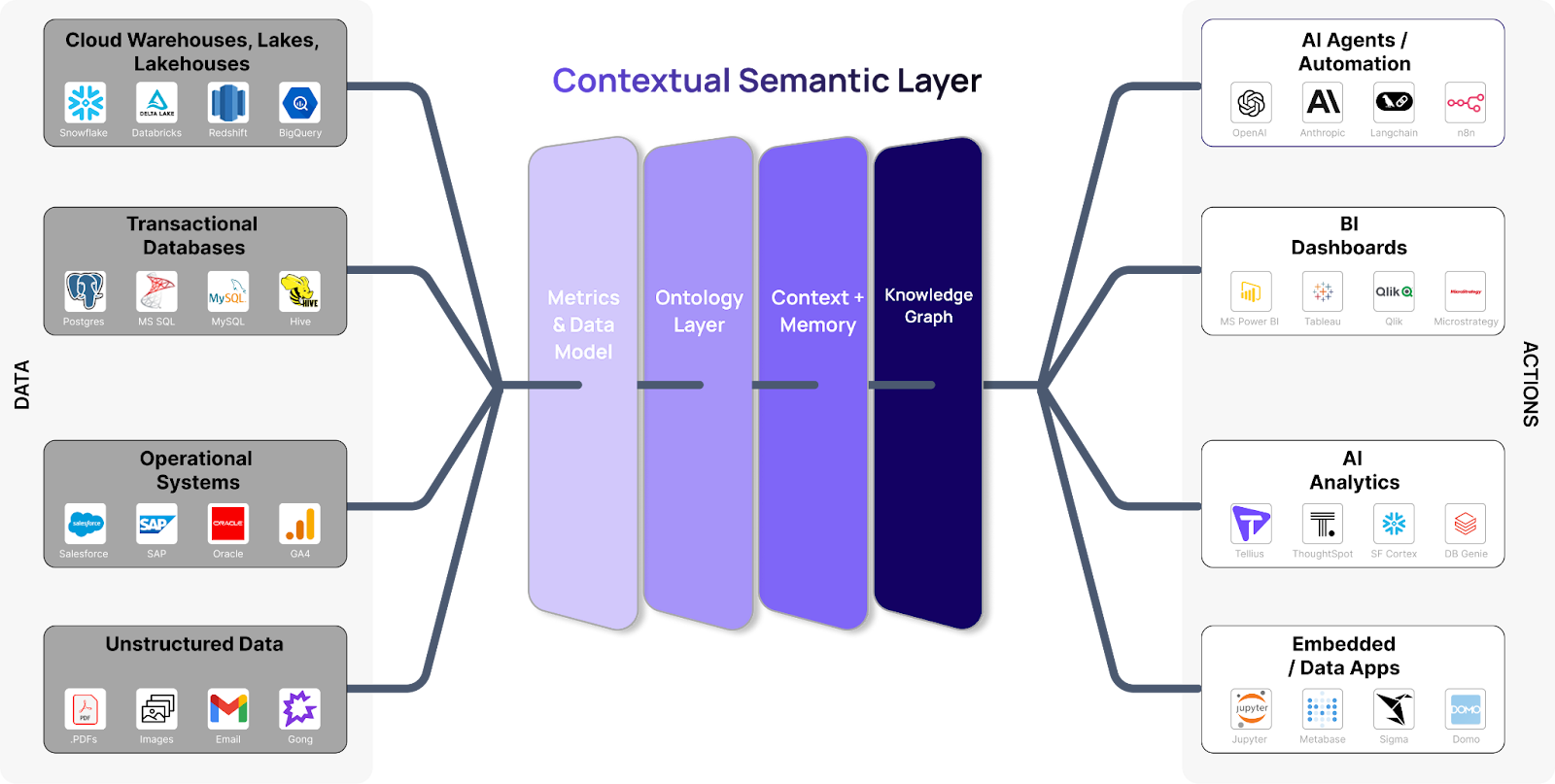
Agentic systems plan, decide, and act within guardrails rather than executing one fixed task. In content, that means an agent can research a topic, check what already ranks, draft, request approval, publish, and schedule a future refresh — as one continuous workflow instead of five disconnected tools.
Hyland's analysis of the future of enterprise content management captures the direction: AI converting unstructured data into governed, actionable intelligence, with cloud-first architecture as the prerequisite and automated governance reducing storage and compliance overhead. The report also notes that many organizations stall beyond early pilots — and attributes that to missing enterprise context. That is the same source-of-truth problem described above, seen from the infrastructure side.
A concrete workflow you can copy
Here is a realistic sequence for a SaaS team running marketing content automation:
- Crawl and index the website. Build a reusable knowledge base of product capabilities, positioning, and existing pages.
- Map the market. Identify competitor coverage and gaps in your own topic set.
- Build a categorized keyword plan. Group by intent and funnel stage, not by alphabet.
- Generate with evidence. Draft articles that cite real sources and match the brand voice definition.
- Route through approval. Human review at defined checkpoints, with an audit trail.
- Publish to a controlled destination. A hosted content site with custom domain support keeps publishing governed.
- Schedule updates. Treat refresh as part of the pipeline, not a quarterly panic.
A platform like AgentBooks follows roughly this shape: it crawls the site to create a source of truth, builds a categorized keyword plan, generates articles with approval workflows, and publishes to a hosted site with custom domain support. If you want the step-by-step version, the AgentBooks tutorial walks through the full loop, including the free Starter plan during public beta.
Build vs. buy: a decision framework
Answer these five questions before evaluating vendors.
- Is your content public or internal? Public, competitive content needs research and publishing depth. Internal content needs retention and access control. Some tools do one well and the other poorly.
- Who owns approval? If legal or compliance must sign off, workflow and audit features are non-negotiable. If a single editor approves, lighter tools suffice.
- How many languages? Multilingual publishing multiplies both reach and risk. Confirm the platform handles translation as a pipeline step, not a manual export.
- What is your refresh cadence? Content that never updates loses rankings. Automation should include scheduled revision, not just initial publication.
- What does scale cost? Per-seat, per-credit, and per-published-piece models behave very differently at volume. Compare total cost at your target output, not at pilot volume.
For a narrower comparison of one-click generators against full engines, this Autoblogging.ai review is useful because it shows where bulk publishing models hit quality limits.
Common failure modes
- Automating before standardizing. If two teams describe the product differently, automation multiplies the inconsistency.
- Treating governance as an afterthought. Retrofitting approval and retention into a live pipeline is far more expensive than designing it in.
- Measuring output, not outcomes. Pages published is a vanity metric. Qualified traffic, pipeline influence, and support deflection are the real ones.
- Ignoring the refresh loop. Most enterprise content programs decay because nothing owns the second year of a page's life.
Related reading
- Machinedramon Model Kit: Figure-Rise Standard Amplified Guide - Everything about the Machinedramon model kit: Figure-Rise Standard Amplified specs, build tips, posing challenges, pricing, and where to buy.
- QuickCreator Features: What It Does and Who It Fits - A practical look at QuickCreator features, from AI research and SEO writing to publishing, plus how the agent workflow compares to other content engines.
- Machinedramon: Evolution Line, Stats & How to Get It - Machinedramon explained: evolution line, Gigadramon and Megadramon requirements, Virus Mega stats, moves, and where to find it in Digimon games.
FAQ
Is enterprise content automation the same as ECM?
No. ECM is the broader discipline of managing content across its lifecycle, including governance and compliance. Automation is the set of capabilities — workflow, AI classification, generation, publishing — that executes that discipline with less manual effort. Most modern ECM platforms now include automation features.
Can AI-generated content pass enterprise review?
Yes, if the pipeline includes a source of truth, evidence-based drafting, and defined approval checkpoints. Content fails review when it lacks product context or invents claims. Approval workflows and audit trails are what make AI output auditable rather than risky.
How do you measure content automation ROI?
Track four things: time from topic approval to publication, cost per published piece at scale, organic traffic and ranking coverage over time, and the percentage of content refreshed on schedule. Storage and compliance savings are real but secondary for marketing-led programs.
What size company actually needs this?
Any organization publishing more than a few pieces a month across multiple products, languages, or regions. Below that threshold, a simpler editorial process is usually cheaper than a platform.
Conclusion
Enterprise content automation is less about generating more text and more about building a governed, reusable system: one source of truth, one planning layer, one approval path, one publishing destination, and a refresh loop that keeps everything current. The organizations that get this right treat content as infrastructure rather than as a series of one-off projects — and they choose their tooling based on which layer is actually broken, not on which demo looked most impressive.