
Machined Meaning: What the Word Really Says About Precision and Automation
"Machined" is one of those words that looks simple until you try to define it in one sentence. It is the past tense of the verb machine, but it is also an adjective that describes how something was made. And in 2026, it has picked up a third life as a name for an AI content platform.
This article covers all three meanings, shows how to use the word correctly, compares it with "machine" and "handmade," and explains why the same word now describes how modern content operations get built.
What does "machined" mean?

Machined Meaning: Definition, Synonyms, and AI Content Use - What does "machined" mean?.
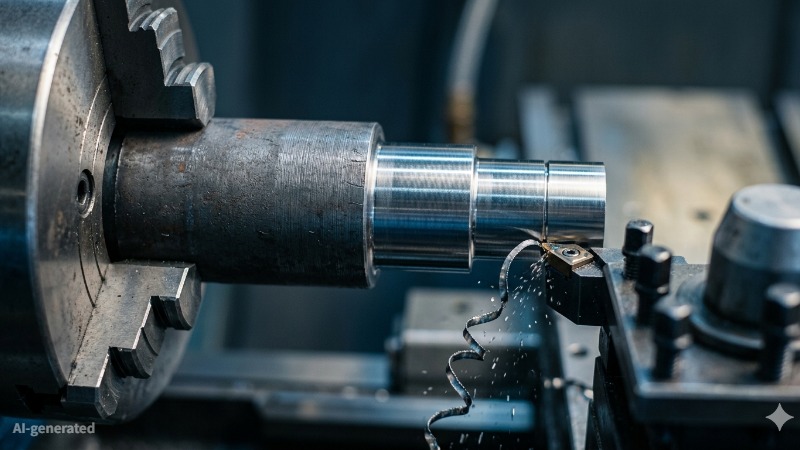
At its core, machined means something was made, cut, shaped, or finished using a machine rather than by hand. In everyday English, it also functions as the simple past and past participle of the verb machine.
So the word does two jobs at once:
- As a verb form: "The shop machined the brackets overnight." (past tense) / "The brackets have been machined." (past participle)
- As an adjective: "machined aluminum," "a machined finish," "machined parts"
Cambridge's entry for machined lists it as the past simple and past participle of machine, and notes a separate, older sense: to sew cloth with a sewing machine. That sewing sense is still valid, just less common in technical writing.
The precision layer most definitions skip
In manufacturing, "machined" implies more than "made by machine." It signals controlled precision. A machined surface has been cut to a tolerance — measured in thousandths of an inch or fractions of a millimeter. That is why engineers say "machined" instead of "manufactured": the word carries a promise about accuracy.
Machined vs. machine vs. machining
Machined Meaning: Definition, Synonyms, and AI Content Use - Machined vs. machine vs. machining.
These three forms get mixed up constantly. Here is the clean split:
| Form | Part of speech | Example |
|---|---|---|
| machine | noun or verb | "a machine" / "to machine a part" |
| machining | verb (present participle) or noun | "They are machining the housing." |
| machined | verb (past) or adjective | "The housing was machined." / "machined housing" |
A quick test: if you can replace the word with "made by machine" and the sentence still works, you want machined. If you are describing the act in progress, you want machining.
Synonyms for machined
Machined Meaning: Definition, Synonyms, and AI Content Use - Synonyms for machined.
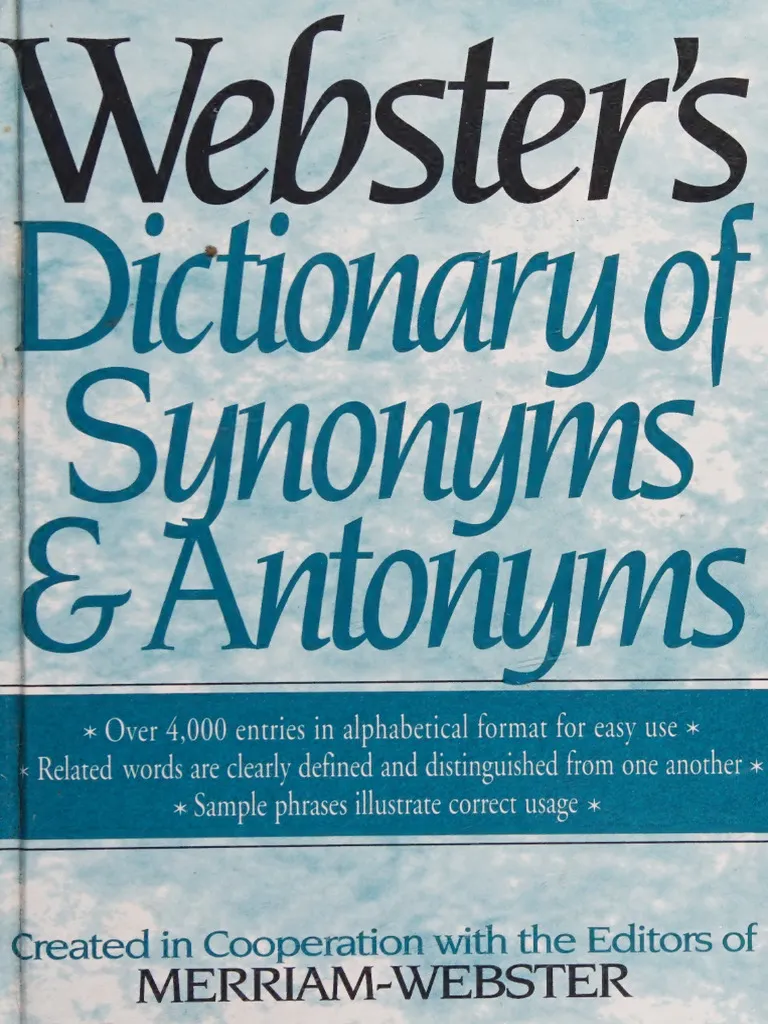
Merriam-Webster's thesaurus entry for machined groups the word with terms like mass-produced, automatic, and refined, and lists antonyms including handmade, handcrafted, manual, custom-built, and bespoke.
That antonym list is the useful part. It tells you what "machined" is really contrasting with: human hands, one-off effort, and craft.
Synonyms by sense:
- Manufacturing sense: mass-produced, machine-made, precision-formed, tooled, milled, turned
- Automation sense: automatic, systematized, repeatable, standardized
- Improvement sense: refined, finished, polished, amended, enriched
Antonyms: handmade, handcrafted, handwrought, homemade, manual, bespoke, custom-built
Why "machined" now describes content workflows
Machined Meaning: Definition, Synonyms, and AI Content Use - Why "machined" now describes content workflows.
The word has migrated out of factories. A platform called Machined uses it to describe an AI content cluster automation system — keyword research, clustering, internal linking, and bulk article generation in one workflow.
The naming logic is not accidental. The pitch is the same promise a machine shop makes: consistent output, repeatable process, and precision at a scale hands cannot match.
That is the same problem AgentBooks was built to solve. AgentBooks is an AI content marketing automation platform that turns a company's website into an always-on content engine — it crawls the site to build a reusable source of truth, maps the market, plans topics, researches organic results, and publishes in the brand's voice. Where a machine shop holds tolerances on metal, a content platform holds consistency on voice, structure, and topical coverage.
If you are evaluating that category, it helps to separate two things that sound alike:
- AI writing assistants draft or edit a single piece. See AI Writing Assistant: What It Is and How to Choose One.
- AI content automation platforms own the whole pipeline, from keyword plan to published article. See SEO Content Optimization: A Practical Framework That Works.
What "machined" should not mean for your content
The factory metaphor has a limit. Machined parts are identical on purpose. Content that is identical on purpose does not rank.
The useful version of "machined" in content is process precision, not output sameness:
- The research step is repeatable.
- The structure follows a consistent standard.
- The voice stays recognizably yours.
- The topic coverage is planned, not accidental.
That is a workflow claim, not a quality claim. Quality still depends on evidence, originality, and whether the article answers the query better than what already ranks.
Machined vs. handmade: when each is the right choice
This is the decision most people actually face.
Choose machined when:
- You need volume — dozens or hundreds of pages covering a topic area
- Consistency matters more than novelty per page
- The work is repeatable and rules can be written down
- Speed to publish is a competitive factor
Choose handmade when:
- The piece is a flagship asset, a launch narrative, or original research
- The topic requires a named expert's judgment
- Differentiation comes from a perspective no process can generate
- The audience will notice and reward craft
Most mature content programs run both. The machined layer covers the long tail and builds topical coverage. The handmade layer carries the brand and earns the links. If you are choosing tools for that split, Best SEO Tools in 2026: A Practical Guide to Choosing and Using Them breaks down how audits, keyword research, and content optimization tools fit together.
Common mistakes with the word "machined"
- Using it as a noun. "The machined is finished" is wrong. Use "the machining" or "the machined part."
- Confusing it with "machinist." A machinist is the person; machined describes the result.
- Overusing it as a synonym for "automated." Machined implies physical forming in most technical contexts. For software, "automated" is usually the clearer word.
- Assuming it always means metal. Wood, plastic, and composites can all be machined.
- Forgetting the sewing sense. In textile contexts, "machined" can mean sewn by machine — a legitimate and still-current usage.
Related reading
- ContentBot.ai Review: Features, Pricing, and Alternatives - An honest ContentBot.ai review covering its AI flows, blog writer, pricing, and limitations, plus how it compares to full content automation platforms.
- QuickCreator Review: AI Content Team for Solo Founders - QuickCreator review: how its AI content agents handle brand voice, E-E-A-T, and publishing for solo founders. Compare features, pricing, and alternatives.
- ContentBot.ai Login: How to Sign In and Start Creating - Find the ContentBot.ai login page, sign-in steps, common access problems, and how ContentBot fits into a scalable content workflow.
FAQ
Is "machined" a real word?
Yes. It is both the past tense and past participle of the verb machine, and a standard adjective meaning "made or finished by machine."
What is the difference between machined and machine-made?
They overlap heavily. "Machined" usually implies a cutting or shaping process with controlled precision. "Machine-made" is broader and can describe anything produced by machine, including assembly.
What is the opposite of machined?
Handmade, handcrafted, manual, and bespoke are the standard antonyms. Merriam-Webster lists all of these.
Can content be described as machined?
In marketing, yes — but it is a metaphor. It usually means the production process is systematized and repeatable, not that the writing is low quality. Platforms like Machined and AgentBooks use the idea to describe automated research, planning, and publishing pipelines.
Does "machined" mean low quality?
No. In manufacturing it often signals the opposite — high precision. The negative connotation only appears when the word is used to imply something is generic or mass-produced without care.
Conclusion
"Machined" is a small word carrying three jobs: a verb form, a precision adjective, and now a label for automated content production. The definition is easy. The interesting part is the tension underneath it — machined means consistent and precise, while its antonyms, handmade and bespoke, mean distinctive and crafted.
Good content operations do not pick a side. They machine the repeatable work so the human work has room to be genuinely handmade.