ContentBot AI in Content Writing: Features, Limits, and Where It Fits
ContentBot AI has carved out a clear niche in the content writing domain: it automates the drafting process with workflows, imports, and an AI blog writer that produces SEO-friendly posts with internal and external links. If you are evaluating ContentBot for your content operations, the real question is not whether it can generate text—it can—but whether its automation model matches the way your team plans, publishes, and maintains content over time.
This article breaks down what ContentBot actually does in the content writing domain, where it shines, where it stops, and how to decide if it belongs in your stack.
What ContentBot AI Does in the Content Writing Domain
ContentBot AI in Content Writing: Features, Limits, Fit - What ContentBot AI Does in the Content Writing Domain.
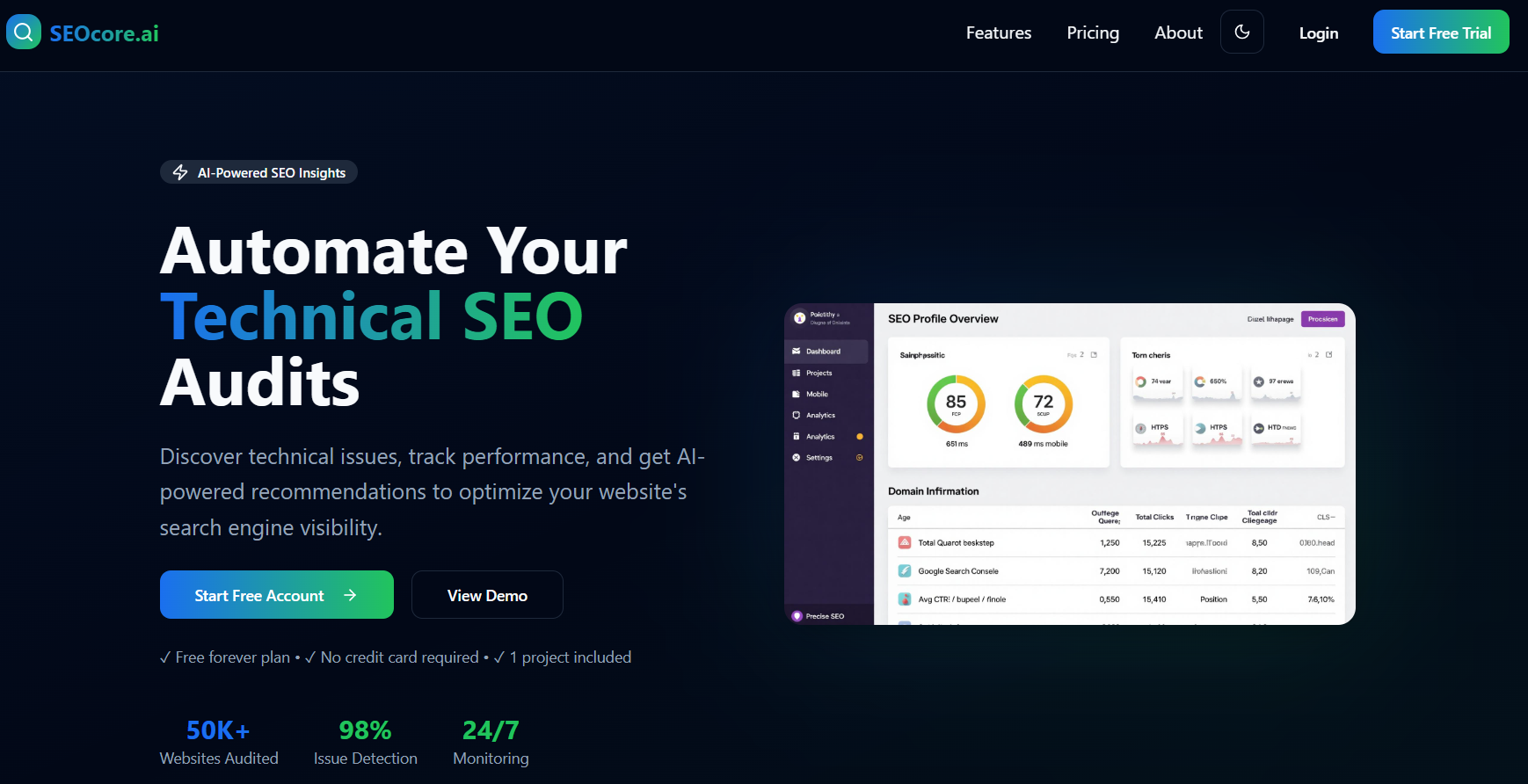
ContentBot positions itself as an AI content automation platform. Its core promise is speed: turn a prompt or a set of source materials into a publishable blog post without hours of manual drafting.
The platform's main entry points include:
- AI Content Workflows – Custom, repeatable sequences that automate multi-step writing tasks.
- Imports – Bring in existing content or data to transform into new drafts.
- AI Blog Writer – Generate long-form posts with internal links, external citations, and AI-generated images.
- Chrome Extension – Generate content on the go, including intros, outlines, and ad copy.
In practice, ContentBot is strongest when you need to produce a high volume of first drafts quickly. It reduces the blank-page problem and gives writers a structured starting point.
The AI Blog Writer: What It Actually Generates
ContentBot AI in Content Writing: Features, Limits, Fit - The AI Blog Writer: What It Actually Generates.
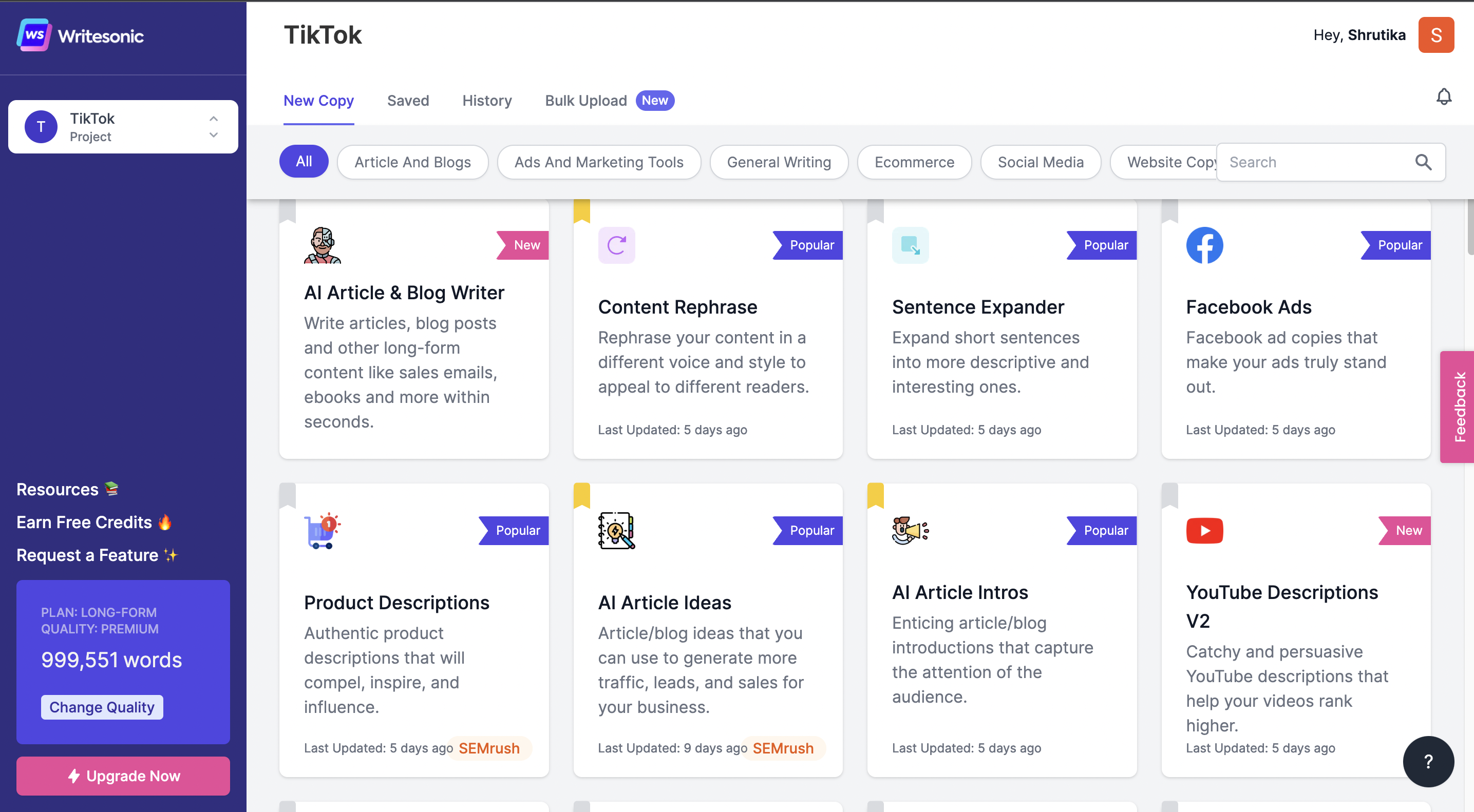
ContentBot's AI Blog Writer is the feature most relevant to content writing teams. According to the product page, it generates "comprehensive, SEO-friendly posts with internal links, accurate facts, tailored keywords, and HD AI images in minutes."
Key capabilities include:
Intelligent Internal and External Linking
ContentBot automatically adds internal links by selecting pages or blog posts as source material. It also suggests or accepts external sources to cite. This is a meaningful feature because linking is one of the most manual, time-consuming parts of content production.
Data-Driven Facts and Statistics
You can specify trusted sources—websites, research papers, or industry databases—and ContentBot pulls relevant facts and statistics into the draft. The platform states it pulls "the three most interesting and relevant facts for each source selected," which you can then choose to include.
SEO and Readability Alignment
ContentBot claims to place links naturally to avoid awkward placements or keyword stuffing. This matters because AI-generated content often fails on flow and link placement, which can hurt both readability and search performance.
AI-Generated Images
The tool integrates HD AI-generated images directly into posts, which saves time on visual sourcing.
Where ContentBot Fits in a Content Writing Workflow
ContentBot AI in Content Writing: Features, Limits, Fit - Where ContentBot Fits in a Content Writing Workflow.
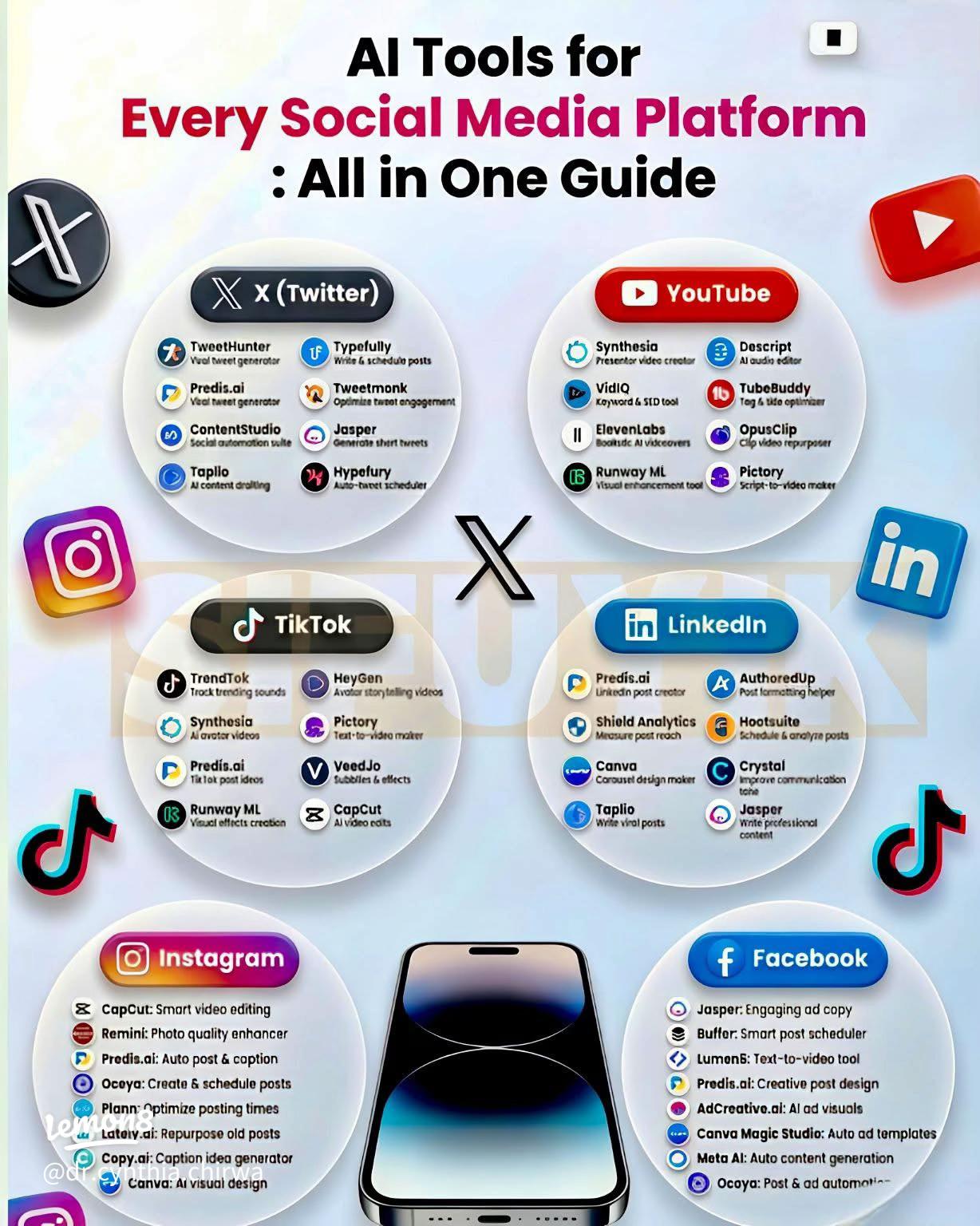
ContentBot is best understood as a drafting and automation layer, not a full content operations platform. It excels at:
- Rapid first-draft generation for blog posts
- Automating repetitive writing tasks via workflows
- Adding links and citations with less manual effort
- Producing content at scale for solo founders or small teams
It is less suited for:
- Building a long-term topical authority map
- Maintaining a reusable brand knowledge base
- Managing approval workflows across multiple stakeholders
- Publishing directly to a hosted content site with custom domains
- Continuously updating content as products and markets change
This distinction matters. If your goal is to publish a steady stream of useful content that compounds over time, you need more than a generator—you need a system that connects product understanding, keyword planning, research, creation, and publishing.
ContentBot vs. Full Content Engines: A Practical Comparison
ContentBot AI in Content Writing: Features, Limits, Fit - ContentBot vs. Full Content Engines: A Practical Comparison.
| Capability | ContentBot AI | Full content engine (e.g., AgentBooks) |
|---|---|---|
| First-draft generation | Strong | Strong |
| Internal/external linking | Automated | Automated + planned via topic clusters |
| Keyword planning | Basic | Categorized keyword plans from market research |
| Brand knowledge base | Limited | Website crawl creates reusable source of truth |
| Approval workflows | Not a core feature | Built-in |
| Publishing | Export to your CMS | Hosted content site with custom domain |
| Multilingual publishing | Not emphasized | Supported |
| Ongoing content updates | Manual | Continuous publishing and updates |
For a deeper comparison, see AgentBooks vs ContentBot.ai vs SEO Writing: 2026 Comparison.
When ContentBot Is the Right Choice
ContentBot makes sense if:
- You need fast drafts and do not want to build a complex content system.
- You already have a keyword strategy and just need execution.
- You are a solo founder or small team testing content marketing.
- You want workflow automation for repetitive writing tasks.
If that describes you, ContentBot can be a useful tool. It is also worth looking at QuickCreator.io Review: AI Content Team for Solo Founders if you are comparing lightweight AI writing options.
When You Need More Than a Generator
If your content writing domain involves multiple products, markets, or languages, a generator alone will not scale. You need a platform that learns your product, maps your market, plans topics, and publishes continuously.
AgentBooks is built for that model. It starts by crawling your website to create a reusable source of truth, then builds a categorized keyword plan, generates articles with approval workflows, and publishes to a hosted content site with custom domain support. It is designed for SaaS teams, e-commerce, independent sites, digital products, agencies, and founders who want an always-on content engine rather than a one-off drafting tool.
For a broader view of the category, see Top 10 AI Content Marketing Automation Platforms 2026.
How to Evaluate ContentBot for Your Team
Before committing, run a small test:
- Generate three posts on topics you already know well. Check factual accuracy and link quality.
- Review the links. Are internal links relevant and naturally placed? Do external sources meet your standards?
- Assess editing time. How much work is needed before publishing?
- Check workflow fit. Does it integrate with your CMS, approval process, and publishing cadence?
- Compare against a full engine. If you need planning, research, and publishing in one place, evaluate platforms like AgentBooks alongside ContentBot.
Related reading
- Content Clustering: Build Topic Clusters That Rank - Learn how content clustering works, how to build pillar pages and topic clusters, and how to scale an internal linking structure that earns topical authority.
- What Is Content Marketing? A Practical 2026 Guide - Learn what content marketing is, how it works, and how to build a repeatable content engine that attracts, educates, and converts your audience.
- Parasite SEO in 2026: Risks, White-Hat Uses & Safer Alternatives - Parasite SEO borrows another site's authority to rank fast. Learn how it works, where Google draws the line, and safer ways to build durable rankings.
Sources and further reading
- ContentBot - AI Content Automation and Workflows - AI Content Automation At Its Best · Create customAI Content Workflows, run through Imports, or simply use our AI Blog Writer to create stunning blog posts. · AI ...
- Using an AI Blog Writer to Stay Relevant - ContentBot - Dec 3, 2024 ... Utilizing AI, bloggers can automate the curation of content topic ideas, ensuring a constant influx of new ideas and perspectives. AI tools, ...
- The Future of Writing is Here - Generate comprehensive, SEO-friendly posts with internal links, accurate facts, tailored keywords, and HD AI images in minutes with our AI Blog Writer.
FAQ
What is ContentBot AI used for in content writing?
ContentBot AI is used to automate content creation: generating blog posts, running custom writing workflows, importing content, and adding internal and external links. It is primarily a drafting and automation tool.
Does ContentBot automatically add internal and external links?
Yes. ContentBot's AI Blog Writer can automatically add internal links by selecting pages or posts as source material, and it can suggest or accept external sources for citations.
Can ContentBot pull facts and statistics from trusted sources?
Yes. You can specify trusted websites, research papers, or industry databases, and ContentBot pulls relevant facts and statistics for you to include in the draft.
Is ContentBot a full content marketing platform?
No. ContentBot focuses on content generation and workflow automation. It does not emphasize keyword planning, brand knowledge bases, approval workflows, or hosted publishing with custom domains—capabilities found in platforms like AgentBooks.
Who should use ContentBot?
Solo founders, small teams, and marketers who need fast drafts and already have a keyword strategy. Teams that need end-to-end content operations should consider a full content engine.
Conclusion
ContentBot AI is a capable tool in the content writing domain. Its AI Blog Writer, intelligent linking, and workflow automation make it a strong choice for fast draft generation. But if your goal is to build a durable, scalable content engine that learns your product, plans topics, and publishes continuously, you will likely need a platform that goes beyond generation. Evaluate ContentBot for what it does well—and choose a full content engine when your ambitions outgrow a drafting tool.