Yoast SEO WordPress Plugin: What It Does, How to Set It Up, and Where It Falls Short
Yoast SEO is the most widely installed WordPress SEO plugin, active on more than 10 million websites since its launch in 2008. It promises to make on-page optimization approachable through a simple traffic-light system: red means fix this, orange means improve it, green means you are ready to publish.
But a plugin that popular also carries a lot of assumptions. Some site owners install it and expect rankings to improve automatically. Others wonder whether the free version is enough or if Premium is worth the yearly cost. This guide breaks down what Yoast SEO actually does, how to configure it properly, how the free and Premium versions compare, and where autonomous content tools can fill the gaps Yoast leaves open.
What the Yoast SEO WordPress Plugin Actually Does
Yoast SEO WordPress Plugin: Setup, Features & Limits - What the Yoast SEO WordPress Plugin Actually Does.
Yoast SEO operates inside the WordPress editor and the site dashboard. Its core job is to give you real-time feedback on how well a page or post is optimized for a chosen focus keyphrase, while handling technical SEO tasks in the background.
Real-Time Content Analysis
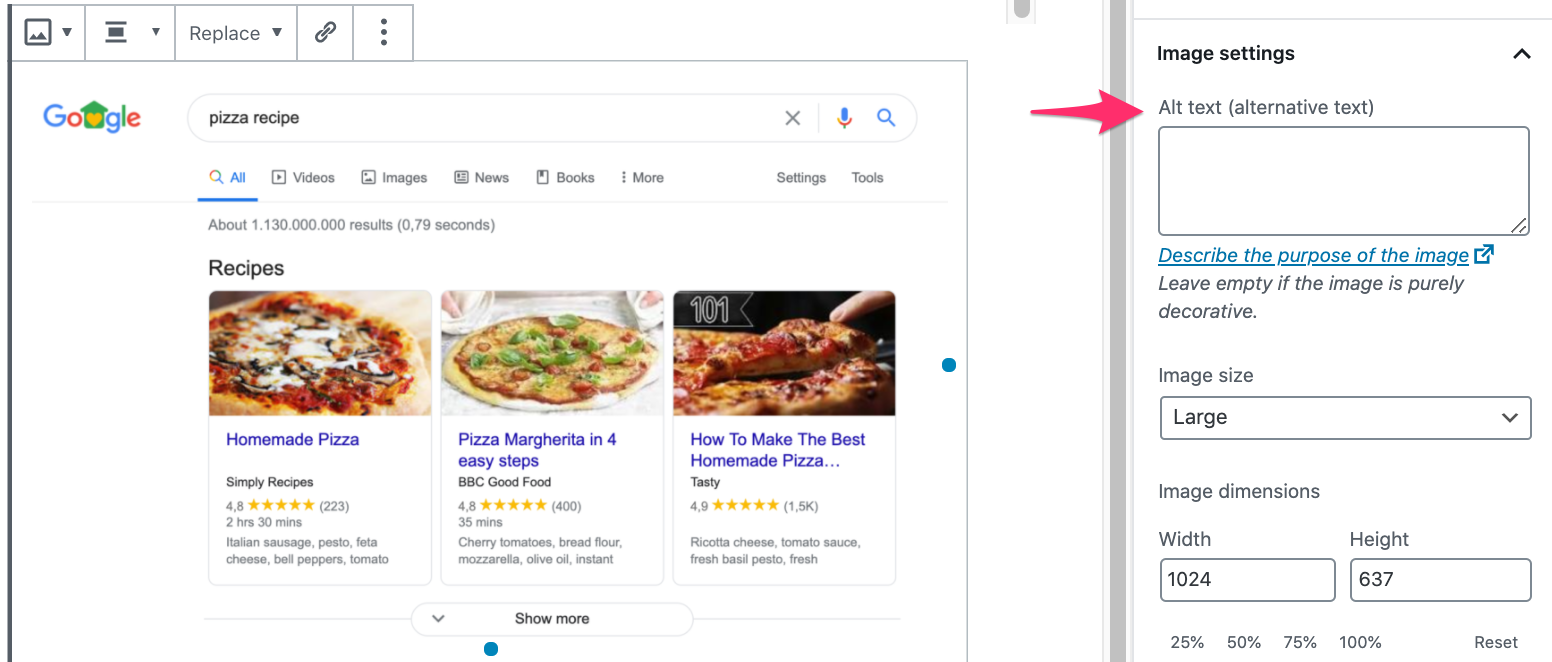
The plugin analyzes your content against a focus keyphrase you set for each page. It checks whether the keyphrase appears in the title, meta description, URL slug, first paragraph, subheadings, and image alt text. It also evaluates readability factors such as sentence length, paragraph length, passive voice usage, and transition words.
The result is a color-coded score in the editor sidebar. Green means the page meets Yoast's baseline recommendations. Orange and red flags point to specific fixes, such as adding the keyphrase to a subheading or shortening overly long sentences.
Automatic Technical SEO
Beyond content feedback, Yoast SEO handles several technical elements without requiring manual coding:
- XML sitemaps that update automatically as you publish new content
- Canonical URLs to prevent duplicate content issues
- Schema.org structured data in JSON-LD format, including website, webpage, article, FAQ, and breadcrumb schema
- Meta robots tags to control which pages search engines can index
- Open Graph and Twitter Card metadata for social sharing previews
- Breadcrumb controls that improve navigation and can appear in search results
Readability and Inclusive Language Checks
Yoast SEO goes beyond keyword placement. The readability analysis scores your content from 0 to 100 and flags issues like overly long paragraphs, complex sentences, and missing subheadings. Premium adds inclusive language analysis, which flags potentially insensitive or exclusionary phrasing.
Yoast SEO Free vs Premium: A Practical Comparison
Yoast SEO WordPress Plugin: Setup, Features & Limits - Yoast SEO Free vs Premium: A Practical Comparison.
The free version covers the fundamentals well. Premium adds automation, AI assistance, and more advanced technical controls. Here is what changes when you upgrade.
| Feature | Free | Premium |
|---|---|---|
| Focus keyphrases per page | 1 | Up to 5 |
| Readability analysis | Yes | Yes |
| Inclusive language analysis | No | Yes |
| AI-generated titles and meta descriptions | No | Yes |
| AI Content Planner | No | Yes |
| Internal linking suggestions | No | Yes |
| Redirect manager | No | Yes |
| Orphaned content detection | No | Yes |
| Social previews for Facebook and X | Basic | Full |
| Bot blocker for AI crawlers | No | Yes |
| Schema aggregation for NLWeb | No | Yes |
| 24/7 support | No | Yes |
| Local SEO, Video SEO, News SEO | No | Included |
What Premium Adds in Practice
Premium's most useful additions for a content-heavy site are the AI Content Planner, bulk metadata editing with AI drafts, and smart internal linking suggestions. The Content Planner generates five site-specific post ideas and builds a starter draft when you open a new post, so you never start from a blank page. The bulk editor lets you filter for pages missing titles or descriptions and have AI draft them for approval.
The redirect manager prompts you to create a redirect whenever you move or delete a page, preventing broken links and lost link equity. The orphaned content workout identifies posts with no internal links pointing to them, which helps you strengthen site structure.
AI Readiness Features
Yoast has positioned Premium as a bridge to AI-driven search. Three features stand out:
- Schema aggregation for NLWeb combines your site's structured data into a single deduplicated graph, so AI agents can understand your content in one request.
- LLMs.txt management gives you manual control over which pages large language models can access.
- Bot blocker lets you decide which AI crawlers, including GPTBot, CCBot, and Google-Extended, can use your content for training.
These features address a real shift: search is no longer just Google results pages. AI assistants are answering questions directly, and they rely on structured data and crawlable content to do so.
How to Set Up Yoast SEO Step by Step
Yoast SEO WordPress Plugin: Setup, Features & Limits - How to Set Up Yoast SEO Step by Step.
Setting up Yoast SEO correctly matters more than simply activating it. A misconfigured plugin can create more problems than it solves.
1. Install and Activate
Search for "Yoast SEO" in the WordPress plugin directory, or download the plugin from WordPress.org. Install and activate it like any other plugin. If you are switching from Rank Math, All in One SEO, or SEOPress, Yoast includes built-in migration tools that import your existing SEO data and settings.
2. Run the Configuration Wizard
Yoast's first-run wizard walks you through the essentials: whether your site represents an organization or a person, your site name, and whether you want to enable specific features. Completing this step ensures the plugin generates accurate structured data from the start.
3. Set Your Site-Wide Defaults
Navigate to Yoast SEO > Settings and review these sections:
- Site representation: Choose organization or person schema and fill in the relevant details, including your logo for organization sites.
- Search appearance: Set default title and meta description templates for posts, pages, and custom post types.
- Crawl settings: Review which content types should be indexed and which should be excluded.
4. Configure Your First Focus Keyphrase
Open any post or page and scroll to the Yoast SEO meta box below the editor. Enter your primary focus keyphrase, then review the analysis panel. The plugin will show you exactly which checks pass and which need attention.
5. Generate and Verify Your Sitemap
Yoast creates an XML sitemap automatically at /sitemap_index.xml. Submit this URL in Google Search Console to help Google discover and index your pages faster.
6. Connect Integrations
If you use Google Site Kit, Semrush, Wincher, or Elementor, connect them through the Yoast integrations panel. These connections bring keyword research, rank tracking, and Search Console data directly into your WordPress dashboard.
For a deeper walkthrough, see our Yoast SEO WordPress setup guide and the Yoast SEO download and configuration guide.
Where Yoast SEO Falls Short
Yoast SEO WordPress Plugin: Setup, Features & Limits - Where Yoast SEO Falls Short.
Yoast SEO is a strong on-page optimization tool, but it has clear boundaries. Understanding these limits helps you decide what else you need in your content stack.
It Optimizes Content, It Does Not Create It
Yoast SEO tells you what to fix after you have written something. It does not research topics, map your market, or produce drafts from scratch. The Premium AI Content Planner generates post ideas and starter outlines, but the actual writing still falls on you or your team.
This is where autonomous content platforms serve a different purpose. Tools like AgentBooks learn your product from a single website share, research organic search results, and continuously publish useful content in your brand voice. Yoast helps you refine a page; AgentBooks helps you produce the pages in the first place. They are complementary, not competing, tools.
It Cannot Fix a Weak Content Strategy
A green light in Yoast does not mean the content is valuable to readers or well-matched to search intent. The plugin checks on-page signals, not whether the topic deserves to exist, whether the angle is differentiated, or whether the piece answers the questions people actually ask. Those strategic decisions happen before the editor opens.
Manual Work Still Scales Poorly
Even with Premium's bulk editor and AI drafts, you are still working page by page. For a site publishing dozens of posts per month, the manual review cycle becomes a bottleneck. Yoast's AI tools reduce the effort per page, but they do not eliminate the need for a human to open, review, and approve every piece.
The Free Version Is Deliberately Limited
One focus keyphrase per page is a meaningful constraint. Most well-optimized pages rank for multiple related terms, and the free version cannot check against them simultaneously. Premium's five-keyphrase limit is more realistic, but it still requires manual keyphrase selection for every page.
Yoast SEO vs Autonomous Content Platforms
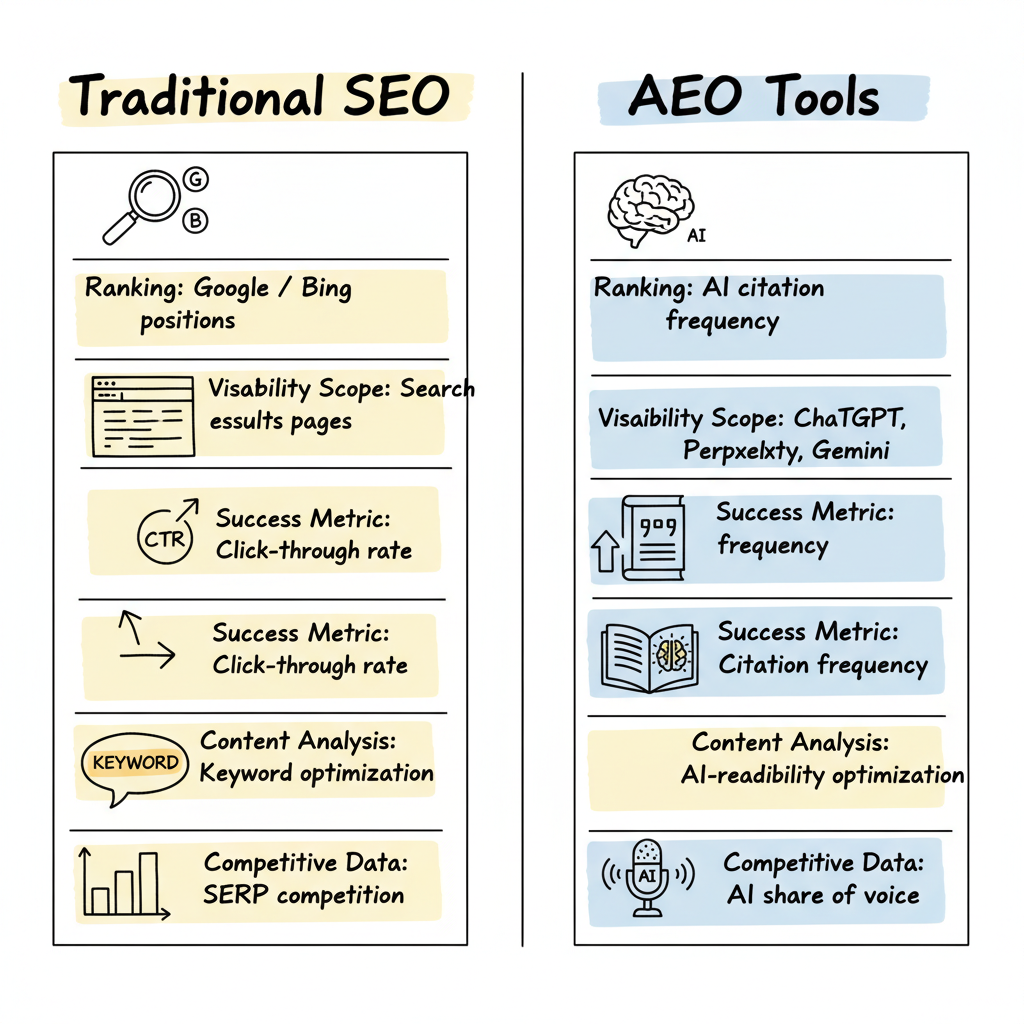
The comparison is not really Yoast versus an AI content tool. They operate at different stages of the content workflow.
Yoast SEO is an optimization layer. It sits inside WordPress, checks your content against on-page best practices, and handles technical SEO. It assumes you have content to optimize.
AgentBooks is a production layer. It researches your market, plans topics, writes drafts in your brand voice, and publishes continuously. It assumes you want content produced at scale without a manual bottleneck.
The practical workflow for many teams combines both: use an autonomous platform to research, plan, and draft content, then run the final drafts through Yoast SEO to catch on-page issues before publishing. The AgentBooks platform handles the strategic and creative heavy lifting; Yoast handles the final optimization pass.
Is Yoast SEO Still Worth Installing in 2025?
For most WordPress sites, yes. The free version provides a solid technical SEO foundation and useful editorial feedback at no cost. The XML sitemaps, canonical controls, and schema markup alone justify the install.
Premium is worth considering if you publish frequently, manage a large existing content library, or want the AI readiness features. The redirect manager, orphaned content detection, and bulk metadata editing solve real problems that accumulate on any site with hundreds of posts.
What Yoast SEO will not do is build your content strategy, research your market, or write your articles. Those tasks require either a dedicated content team or an autonomous platform that can handle them at scale.
Related reading
- QuickCreator: The AI Content Team for Solo Founders - QuickCreator is an AI content platform that ships Google-ranking articles in your voice. See how it works, key features, pricing, and where it fits.
- Contentpen Demo: What You Can Actually Do in the Tool - A practical walkthrough of the Contentpen demo: what you can test, how the AI blog workflow works, pricing context, and where autonomous alternatives fit.
Sources and further reading
- Yoast SEO Premium - Designed for in-house marketers, creators, and entrepreneurs using WordPress. Get real-time SEO guidance, AI-assisted content optimization, and Local, News & Video SEO in Yoast SEO Premium. No expert knowledge needed.
- Yoast SEO - Yoast SEO helps you improve your site’s content and structure with built-in tools for keywords, schema and readability, no expertise required.
Frequently Asked Questions
Is the Yoast SEO WordPress plugin free?
Yes. The core plugin is free and includes real-time content analysis, readability checks, XML sitemaps, canonical URLs, and basic schema markup. Premium adds AI tools, multiple keyphrases, redirect management, and advanced technical features.
How many focus keyphrases can I use in Yoast SEO?
The free version supports one focus keyphrase per page. Premium supports up to five keyphrases per page, along with synonym and word form recognition in 20+ languages.
Does Yoast SEO work with WooCommerce?
Yoast SEO Premium includes the WooCommerce SEO extension at no extra cost. It adds product schema, improves product page optimization, and helps search engines understand your store's structure.
Can Yoast SEO write my content for me?
No. Yoast SEO's AI tools can generate titles, meta descriptions, post summaries, and starter drafts, but every suggestion requires human approval. The plugin optimizes content; it does not research topics or produce finished articles independently.
What is the Yoast SEO bot blocker?
A Premium feature that lets you control which AI crawlers, such as GPTBot, CCBot, and Google-Extended, can access your content for training purposes. It gives you granular control over how AI systems use your site.
Does Yoast SEO help with AI search visibility?
Yes. Premium includes schema aggregation for NLWeb, which combines your structured data into a single deduplicated graph for AI agents, plus LLMs.txt management for controlling how large language models interact with your content.
Conclusion
The Yoast SEO WordPress plugin remains the most practical starting point for on-page optimization on WordPress. Its traffic-light feedback system makes SEO accessible without a technical background, and its automatic technical features handle the groundwork most site owners would otherwise ignore.
But Yoast SEO is an optimization tool, not a content engine. It refines what you write; it does not decide what to write or produce it for you. For teams that want to scale content production without hiring a full editorial staff, pairing Yoast with an autonomous platform like AgentBooks creates a complete workflow: strategic topic research and continuous publishing on one side, rigorous on-page optimization on the other.
Install Yoast SEO for the technical foundation and editorial guardrails. Add an autonomous content platform when you need the content itself to exist in the first place.