AEO Optimization: How to Get Cited by AI Answer Engines
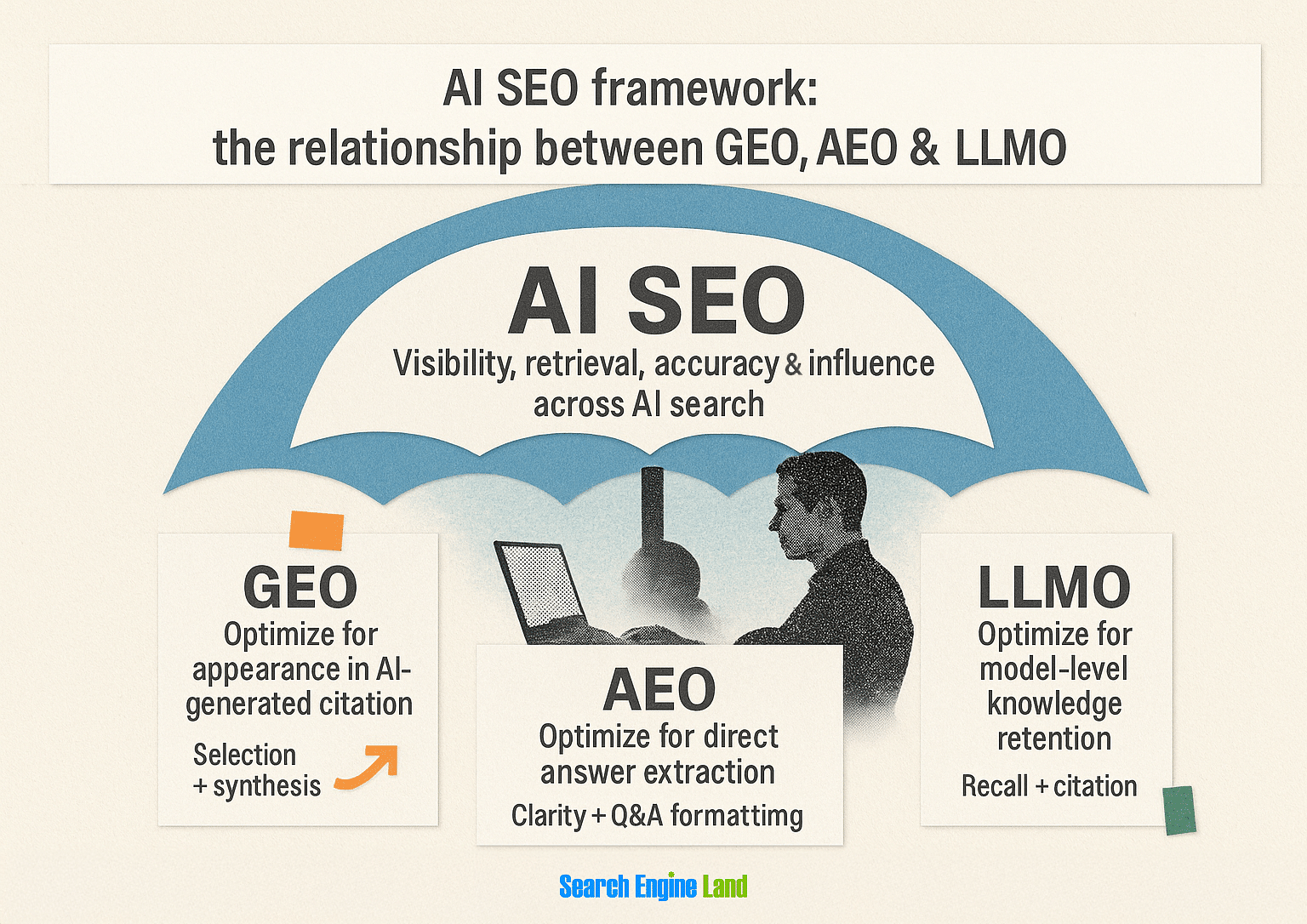
Answer engine optimization (AEO) is the practice of structuring content so AI systems like ChatGPT, Perplexity, Google AI Overviews, and voice assistants can find, trust, and cite it as a direct answer. While traditional SEO focuses on ranking pages for clicks, AEO targets being the source an AI selects when it synthesizes a response.
This shift is already measurable. Gartner projects traditional search volume will drop 25% by 2026, and over 400 million people now use OpenAI products weekly. When an AI answer engine mentions your brand, you win visibility at the exact moment of user intent—often without a single click to your site.
This guide explains how AEO works, how it differs from SEO, and the practical steps you can take to become the cited source in AI-generated answers.
What Is AEO Optimization?
AEO Optimization: How to Rank in AI Answer Engines - What Is AEO Optimization?.
AEO optimization is the discipline of engineering content for extractability. Answer engines do not browse pages the way humans do. They parse, chunk, and synthesize information from multiple sources, then generate a concise response. Your goal is to make your content the easiest, most trustworthy option for that synthesis process.
Think of it as a shift from ranking to being quoted. In traditional search, you compete for position on a results page. In answer engines, you compete for inclusion in a generated answer. The difference matters because users increasingly receive answers without visiting any website at all.
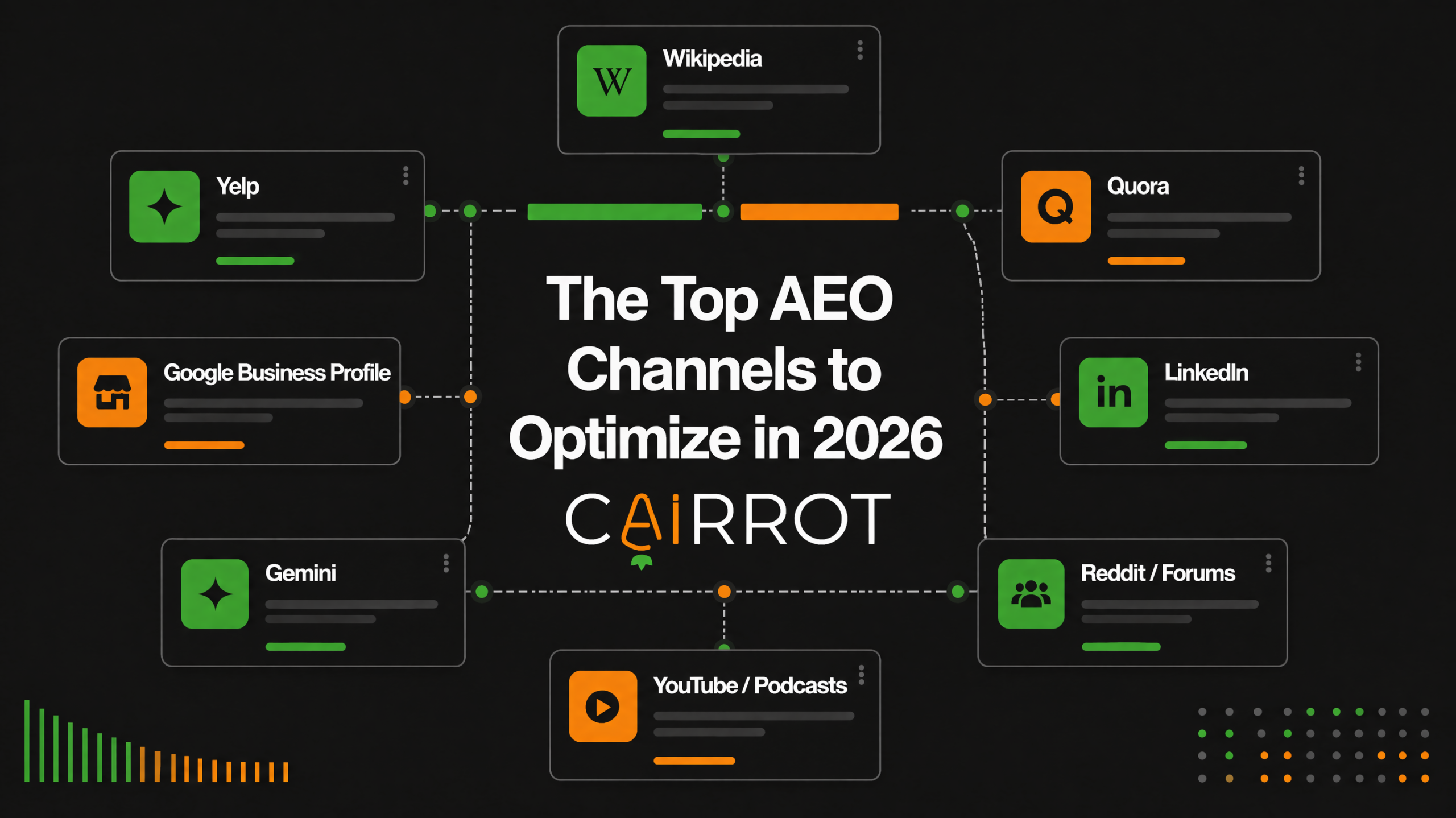
Answer engines include:
- ChatGPT and other conversational AI assistants
- Perplexity and similar AI search tools
- Google AI Overviews and AI Mode
- Voice assistants like Alexa, Siri, and Google Assistant
- Enterprise search and retrieval-augmented generation (RAG) systems
Each platform evaluates content differently, but they share a common requirement: content must be clear, structured, and authoritative enough to extract and attribute.
AEO vs. SEO: Complementary, Not Competing
AEO Optimization: How to Rank in AI Answer Engines - AEO vs. SEO: Complementary, Not Competing.
AEO and SEO serve different purposes, but they reinforce each other. Research shows 99% of URLs shown in AI Mode appear in the top 20 organic search results. Strong SEO creates the foundation; AEO converts that foundation into AI citations.
| Area | Traditional SEO | AEO Optimization |
|---|---|---|
| Primary goal | Rank higher and drive clicks | Be mentioned or cited in AI answers |
| Target audience | Human readers scanning results | Answer engines and readers indirectly |
| Success metrics | Rankings, clicks, impressions, CTR | Mentions, citations, AI referral traffic, share of voice |
| Trust signals | Backlinks, domain authority | Citation authority, E-E-A-T, platform trust |
| Content format | Keyword-optimized pages | Structured, retrievable content across formats |
| User input | Keywords | Conversational prompts and long-tail questions |
| Measurement | SERP tracking, analytics | AI visibility tools, citation tracking, sentiment |
The relationship is additive. SEO drives traffic to your site. AEO builds brand visibility in AI answers and voice results. Brands need both: SEO ensures discoverability through traditional search, while AEO captures mindshare in conversational and zero-click experiences.
Why AEO Optimization Matters Now

AEO Optimization: How to Rank in AI Answer Engines - Why AEO Optimization Matters Now.
The business case for AEO extends beyond traffic metrics. NerdWallet's revenue rose 35% in 2024 while monthly traffic fell 20%, illustrating how discovery and decision-making are shifting to AI-mediated experiences. Brands that appear in answer engine results capture mindshare at the moment of intent, positioning themselves as trusted sources before users ever click a link.
Key drivers of this shift:
- Zero-click interactions are rising. Users receive answers without visiting any website, making citation visibility the new organic reach.
- AI assistants have massive adoption. Hundreds of millions of people now use conversational AI weekly for research, shopping, and decision-making.
- Assisted conversions are growing. Being mentioned in an AI response builds brand authority and influences purchase decisions even when direct traffic declines.
- Platform-specific trust matters. ChatGPT, Perplexity, and Google AI Overviews each have distinct retrieval patterns and citation preferences.
How to Optimize Content for Answer Engines

AEO Optimization: How to Rank in AI Answer Engines - How to Optimize Content for Answer Engines.
Effective AEO requires content that is clear, structured, and easy for AI systems to extract and attribute. These strategies improve your content's extractability and trustworthiness across answer engines.
1. Lead with a Direct Answer
Start each page or section with a 30 to 60-word direct answer to the core question. Follow with two to three atomic paragraphs of one to three sentences each that provide context or detail. This pattern increases clarity and parsing speed for AI systems.
For example, instead of opening with background history, answer the question immediately: "AEO optimization is the process of structuring content so AI systems can find, trust, and cite it as a direct answer." Then expand.
2. Use Question-Based Headings
Structure content in Q&A format using clear, question-based headings that mirror natural language queries. When headings match the exact phrasing users employ in conversational search, AI systems can more easily map your content to relevant queries.
Instead of "Benefits of Our Platform," use "What Are the Benefits of Using This Platform?" This simple change improves matching against spoken and typed questions.
3. Implement Schema Markup
Structured data provides explicit signals about content type, relationships, and intent. FAQ schema, HowTo schema, and Article schema help answer engines understand context without extensive natural language processing.
Keep FAQ answers concise and direct. A 40-word answer under each FAQ entry outperforms a 200-word explanation when AI systems extract responses.
4. Write Conversationally
Include variations of the core question users actually ask, not just formal keyword phrases. Conversational tone improves matching against spoken queries and helps AI systems recognize your content as relevant to a broader range of user intents.
Cover the same topic from multiple angles: "How do I...", "What is...", "Why does...", and "When should I..." variants all signal relevance to different query patterns.
5. Build Trust Signals
Answer engines increasingly prioritize recency and provenance when selecting sources. Add:
- Author names and credentials near the top of each page
- Updated dates that reflect current information
- Citations to credible external sources
- Clear organizational information about who publishes the content
A trust block near the top of each page—author name, credentials, and update date—signals credibility to both AI systems and human readers.
6. Distribute to High-Citation Platforms
Focus on presence within sources that AI commonly cites rather than pursuing link volume alone. Being featured on authoritative industry sites, news outlets, or knowledge bases improves your chances of being selected as a source.
This does not mean abandoning backlinks. It means prioritizing placements on platforms with high AI citation rates over generic link building.
Measuring AEO Performance
Traditional SEO metrics do not capture AEO success. You need new measurement frameworks:
- AI citation tracking: Monitor how often your brand appears in ChatGPT, Perplexity, and Google AI Overviews responses.
- Share of voice: Measure your brand's presence in AI answers relative to competitors for target queries.
- AI referral traffic: Track traffic from AI platforms in your analytics.
- Brand mention sentiment: Monitor whether AI systems describe your brand accurately and positively.
- Assisted conversions: Measure conversions influenced by AI visibility even when direct traffic declines.
Tools for AI visibility tracking are emerging rapidly. Start with manual query testing across major platforms, then layer in automated monitoring as your AEO program matures.
Scaling AEO with Autonomous Content Systems
AEO optimization requires continuous content production, structured formatting, and regular refresh cycles. This is where autonomous content platforms become valuable. Instead of manually producing and updating every page, an autonomous content growth platform can maintain the extractable, question-based structure answer engines prefer.
AgentBooks, for example, learns your product, maps your market, and continuously publishes useful content in your brand voice. Its organic research incorporates top-ranking pages, while its approval-first or autopilot workflow lets you control publishing cadence. For teams scaling AEO across hundreds of pages, this type of system removes the manual draft bottleneck that stalls content growth.
The key is maintaining brand consistency while scaling. When AI systems encounter consistent, well-structured content from your domain across multiple queries, they build trust in your brand as a reliable source. SEO automation workflows that combine human oversight with AI production speed help achieve this balance.
Common AEO Mistakes to Avoid
- Chasing keywords without answering questions. AI systems prioritize direct answers over keyword density. Write for the question, not the search term.
- Hiding answers in long paragraphs. Front-load direct answers and use scannable structure.
- Ignoring schema markup. Structured data is a direct signal to answer engines about content type and intent.
- Neglecting content freshness. Outdated information gets deprioritized by AI systems that value recency.
- Measuring only traditional SEO metrics. If you only track rankings and clicks, you miss the AI citation visibility that drives assisted conversions.
- Treating all platforms identically. ChatGPT, Perplexity, and Google AI Overviews have different retrieval patterns. Test and adapt per platform.
Related reading
- Machined Login: Access Your AI Content Dashboard - Learn how to sign in to Machined, troubleshoot common login issues, and access your AI content cluster dashboard, publishing tools, and account settings.
- Autoblogging AI for WordPress: Tools, Setup, and Strategy - Compare the best AI autoblogging tools for WordPress, learn how to set up automated publishing safely, and build a content workflow that actually ranks.
- How to Use Contentpen: A Step-by-Step SEO Writing Guide - Learn how to use Contentpen to research keywords, generate SEO-optimized articles, refine content with AI, and publish to WordPress or other CMS platforms.
Sources and further reading
- What is answer engine optimization (AEO)? Understanding AEO for the future of search - Answer Engine Optimization (AEO) is the process of ensuring that a brand, product, or service is accurately represented in AI-generated responses on platforms like ChatGPT, Perplexity, or Google's AI Overviews.
- What is AEO ? (Answer Engine Optimization) : r/localseo - Reddit - Feb 5, 2025 ... AEO is the practice of optimizing your content so that it can be understood, trusted, and surfaced by AI-powered answer engines, not just search ...
- Show Up in AI Search with Answer Engine Optimization (AEO) - Learn how to gain visibility in AI search with HubSpot's quick guide to Answer Engine Optimization (AEO). See what AEO is, why it matters, and how to get started.
Frequently Asked Questions
What is the difference between SEO and AEO?
SEO optimizes pages to rank higher in traditional search results and drive clicks. AEO optimizes content to be cited in AI-generated answers on platforms like ChatGPT, Perplexity, and Google AI Overviews. SEO targets human readers scanning results; AEO targets answer engines that synthesize responses.
How do I get my brand cited in ChatGPT?
Structure content with direct answers, question-based headings, and schema markup. Build trust signals like author credentials and updated dates. Distribute content to platforms AI commonly cites. Most importantly, create genuinely useful content that answers questions better than competing sources.
Does AEO replace SEO?
No. AEO and SEO are complementary. Strong SEO creates the foundation for AI visibility—99% of URLs in AI Mode appear in the top 20 organic results. AEO converts that foundation into AI citations and brand mentions in zero-click experiences.
What metrics should I track for AEO?
Track AI citation frequency, share of voice in AI answers, AI referral traffic, brand mention sentiment, and assisted conversions. Traditional metrics like rankings and clicks remain important but do not capture AI-mediated visibility.
How often should I update content for AEO?
Regularly. Answer engines prioritize recency and provenance. Update key pages quarterly at minimum, and refresh high-value content whenever underlying information changes. Add visible update dates and maintain current citations.
Conclusion
AEO optimization is not a replacement for SEO—it is the next layer of search visibility. As users shift from browsing link lists to receiving synthesized answers, brands must optimize for citation, not just ranking. The fundamentals are clear: answer questions directly, structure content for extraction, build trust signals, and measure AI visibility alongside traditional metrics.
The brands that win in answer engines will be those that treat content as a continuously refreshed, question-driven asset rather than a static collection of keyword-targeted pages. Start with the strategies in this guide, test across platforms, and build the measurement framework that captures your AI-mediated visibility.