
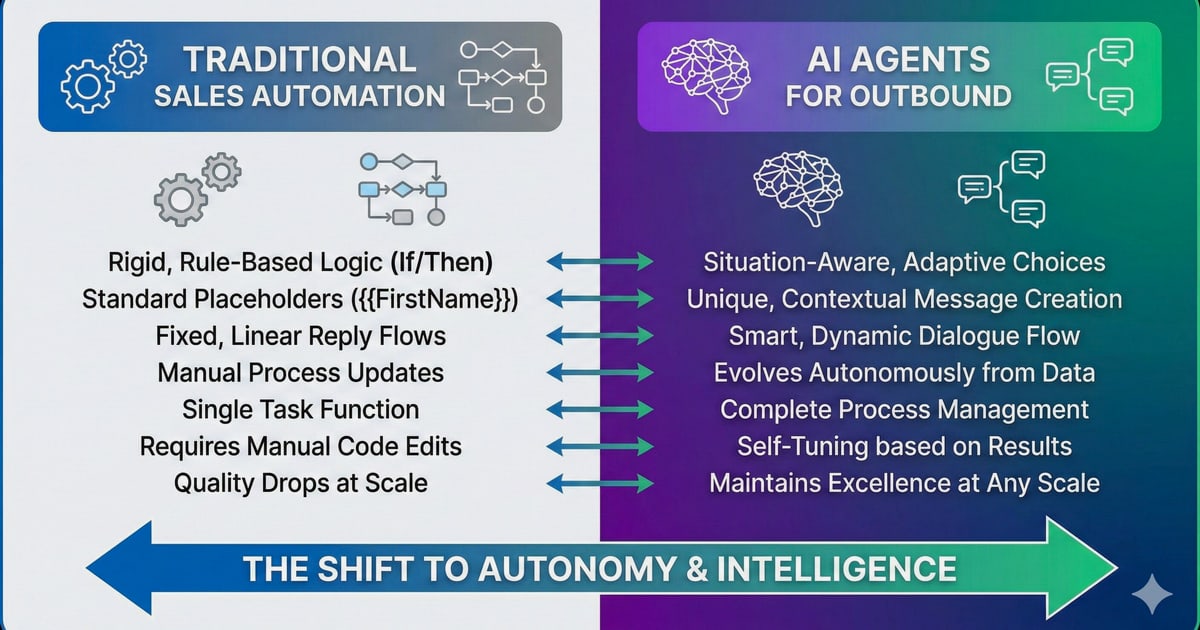
AgentBooks vs GTM AI: Which Content Engine Fits Your Team?
When you're evaluating AI tools to scale your content and go-to-market efforts, you'll likely encounter two very different approaches: AgentBooks, an AI content automation platform built to turn your website into an always-on content engine, and GTM AI platforms that promise to automate hundreds of repetitive go-to-market tasks. While both leverage AI to drive efficiency, they solve distinct problems and serve different primary needs. This comparison breaks down what each tool actually does, where it excels, and how to decide which one aligns with your goals.
What Is AgentBooks?
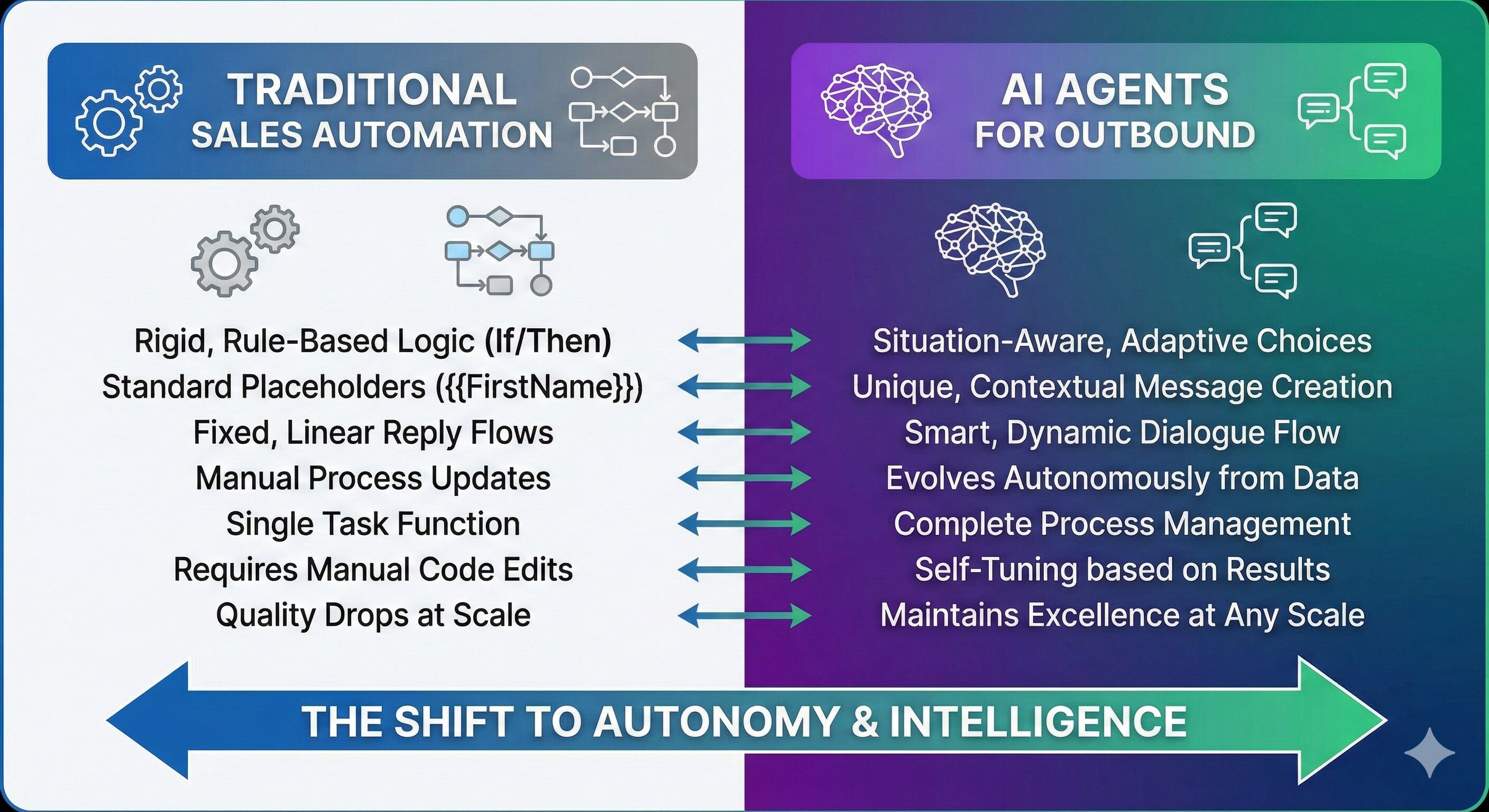
AgentBooks vs GTM AI: Which Content Engine Fits? - Key Differences: AgentBooks vs GTM AI.
AgentBooks is an AI-powered content automation platform designed to help SaaS teams, e-commerce and DTC brands, digital agencies, founders, and independent websites scale organic content without multiplying editorial overhead. The core premise is simple: submit your website once, and AgentBooks learns your product, maps your market, plans topics, researches organic search results, and continuously publishes useful content in your brand's voice.
The platform combines several capabilities in one workspace:
- Website crawling to build a reusable brand dataset
- Categorized keyword plans and topic mapping
- Approval-first article workflows with scheduled generation
- Top organic-result research (excluding ads, using the top three organic results)
- TDK (title, description, keywords) optimization
- Image and link management
- Custom domain and site identity
- Multilingual publishing
- AgentBooks-hosted content sites
Pricing includes a free public beta for one brand, a Business plan at $30/month for scheduled operations, and an Enterprise plan at $100/month for multiple brand workspaces and higher capacity. The value proposition is scaling organic content without multiplying editorial overhead—though AgentBooks does not guarantee rankings or traffic.
What Is a GTM AI Platform?
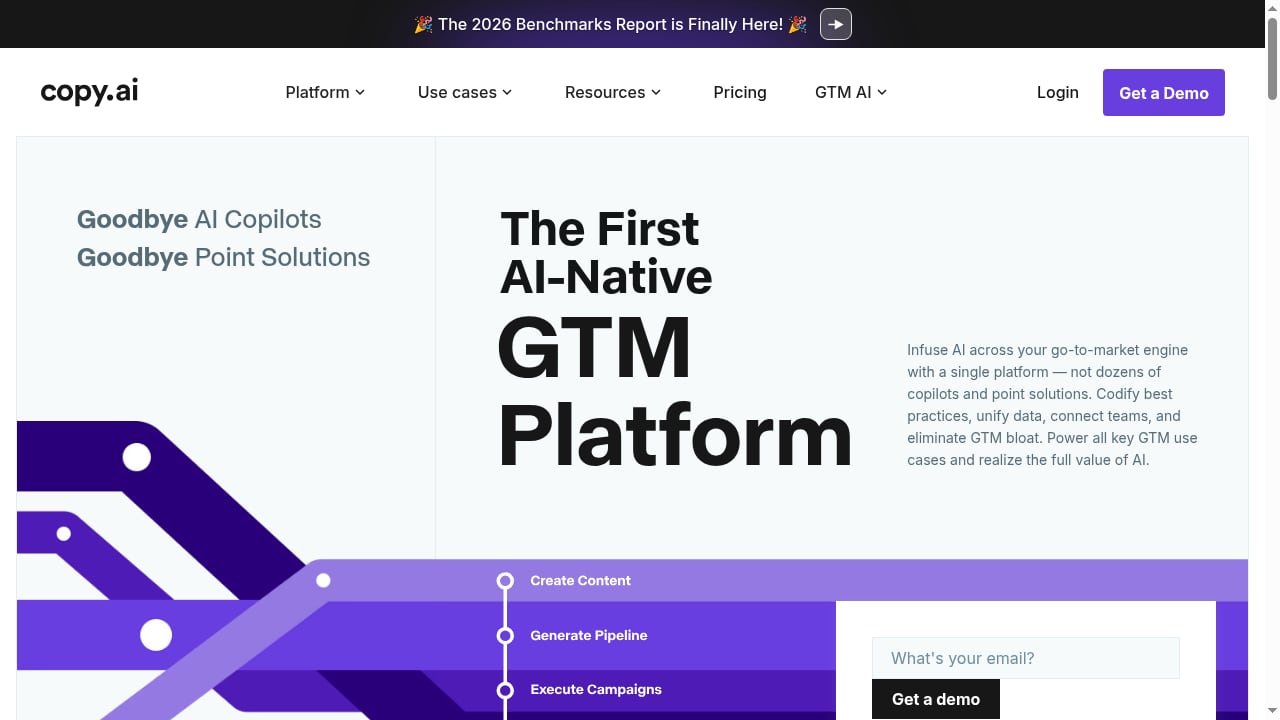
First viewport screenshot of copy.ai.
A GTM (go-to-market) AI platform, as described in the substitute offering "Future proof your business with GTM AI," positions itself as the first-ever GTM AI platform. Its stated purpose is to automate hundreds of tedious, repetitive tasks and empower teams to scale success. This category of tool typically focuses on sales and marketing operations—things like lead qualification, outreach automation, meeting scheduling, CRM data entry, and pipeline management.
For example, Salesforce's guide on selling with AI agents highlights how AI agents can handle administrative sales work, draft emails, summarize meetings, and qualify leads. Similarly, SaaStr's AI Agent Playbook details how they run a GTM operation with 21+ AI agents handling pipeline sourcing, meeting booking, and deal support. These are powerful use cases—but they are fundamentally different from content creation and organic publishing.
Key Differences: AgentBooks vs GTM AI
First viewport screenshot of Copy.ai: The only AI platform purpose-built for outcomes.
| Dimension | AgentBooks | GTM AI Platform |
|---|---|---|
| Primary focus | Organic content automation and publishing | Sales and marketing task automation |
| Core output | Articles, keyword plans, brand-aligned content | Automated workflows, lead qualification, outreach |
| Brand intelligence | Crawls your website to learn your product and voice | Typically relies on CRM data and sales playbooks |
| Publishing capability | Built-in hosting, custom domains, multilingual support | Not a publishing tool; integrates with existing channels |
| Workflow model | Approval-first article generation with scheduling | Task automation with human oversight for complex decisions |
| Pricing signal | Free beta; $30/mo Business; $100/mo Enterprise | Varies widely; often usage-based or per-seat |
Where AgentBooks Excels
AgentBooks is purpose-built for content-driven organic growth. If your goal is to consistently publish useful, brand-aligned articles that target search intent, AgentBooks offers a complete pipeline from research to publishing. The approval-first workflow ensures human oversight, and the brand dataset means content doesn't sound generic. The platform's focus on top organic results (excluding ads) helps ground content in what actually ranks, without promising specific rankings.
For teams comparing content automation tools, our AgentBooks vs AI SEO Writer comparison and AgentBooks vs Brafton vs Machined.ai analysis provide deeper context on how AgentBooks stacks up against other content-focused platforms.
Where GTM AI Platforms Excel
GTM AI platforms shine when your bottleneck is sales operations and repetitive go-to-market tasks. They can automate lead scoring, email follow-ups, meeting scheduling, and CRM hygiene. As Salesforce notes, these tools are most effective when you clean your data, define workflows, and train the agents with clear guardrails. SaaStr's experience shows that with proper oversight, AI agents can source pipeline and book meetings at scale.
However, GTM AI platforms are not designed to produce and publish organic content. They may assist with drafting outreach emails or summarizing calls, but they don't build a content engine, manage keyword plans, or host articles. If content marketing is a core part of your growth strategy, a GTM AI platform alone will leave a gap.
When to Choose AgentBooks
Choose AgentBooks if:
- Your primary growth channel is organic search and content marketing
- You want to scale article production without hiring a large editorial team
- You need a tool that learns your brand voice from your website and maintains consistency
- You value an approval-first workflow with scheduling and multilingual publishing
- You're a SaaS, e-commerce, agency, or independent site looking for a content engine
When to Choose a GTM AI Platform
Choose a GTM AI platform if:
- Your main challenge is sales operations efficiency—lead qualification, outreach, meeting booking
- You already have a content strategy and team in place
- You need to automate repetitive tasks across your CRM and sales stack
- You're prepared to invest time in data cleanup, workflow design, and agent training
Can They Work Together?
Yes. AgentBooks and a GTM AI platform can complement each other. AgentBooks handles the organic content engine—publishing articles that attract and educate your audience—while a GTM AI platform automates the sales follow-up and pipeline management that converts that audience. For example, you could use AgentBooks to publish a series of comparison articles, then use a GTM AI platform to route inbound leads to the right sales rep and automate follow-ups.
If you're exploring how to combine content automation with other tools, our guide on using AgentBooks with Browse AI offers a practical workflow for data-driven content.
Practical Example: A SaaS Team's Decision
Imagine a B2B SaaS startup with a small marketing team. They want to grow organic traffic but can't afford a full-time content writer. They also have a sales team struggling with manual lead follow-up.
- With AgentBooks: They submit their website, get a keyword plan, and start publishing approved articles on a schedule. Over time, they build a library of content that answers prospect questions.
- With a GTM AI platform: They automate lead scoring and email sequences, but still need to create the content that attracts those leads.
The most efficient approach might be to start with AgentBooks to build the content foundation, then layer in GTM automation as the pipeline grows.
Related reading
- SEO Writing AI Review 2026: Features, Pricing, and Fit - An evidence-based SEO Writing AI review covering features, pricing signals, setup, limitations, and ideal users for AI SEO content generation.
- Top 10 AI Marketing Content Creation & Audience Testing Platforms 2026 - Discover the top 10 AI marketing content creation and audience testing platforms for 2026. Compare features, pricing, and best-fit use cases.
Sources and further reading
- Best AI Agents 2026: 15 Tools Tested, Ranked & Compared - Taskade - The 15 best AI agents in 2026, tested and ranked. Compare ChatGPT Agent, Claude, Manus, Perplexity, and Taskade by price, autonomy, use case, and free tier.
FAQ
Is AgentBooks a replacement for a GTM AI platform?
No. AgentBooks focuses on content automation and publishing, while GTM AI platforms focus on sales and marketing task automation. They serve different functions and can be used together.
Does AgentBooks guarantee rankings or traffic?
No. AgentBooks does not guarantee rankings or traffic. It provides tools to research, plan, and publish content, but results depend on many factors.
Can a GTM AI platform create and publish blog articles?
Generally, no. GTM AI platforms are designed for sales operations and task automation, not for building and hosting an organic content engine. They may assist with drafting, but they lack publishing and keyword planning capabilities.
How much does AgentBooks cost?
AgentBooks offers a free public beta for one brand, a Business plan at $30/month for scheduled operations, and an Enterprise plan at $100/month for multiple brand workspaces and higher capacity.
What if I need both content and sales automation?
You can use AgentBooks for content and a GTM AI platform for sales automation. They address different parts of the funnel and can be integrated into a broader growth stack.
Conclusion
AgentBooks and GTM AI platforms solve different problems. AgentBooks is a dedicated content engine that turns your website into a source of ongoing, brand-aligned articles. A GTM AI platform automates sales and marketing operations to help your team scale outreach and pipeline management. If organic content is central to your growth strategy, AgentBooks offers a focused, approval-first solution with transparent pricing. If your bottleneck is sales operations, a GTM AI platform may be the better fit. For many teams, the smartest path is to use both—AgentBooks to attract and educate, GTM AI to convert and close.
For a broader look at content operations and localization platforms, see our top 10 content operations and localisation platforms.