AI Content Generation: Strategy, Tools & Scaling in 2026
More than three-quarters of marketers now use AI tools in some capacity, and nearly one in five businesses rely on them to produce content. Yet many teams still hit the same walls: running out of fresh topics, losing brand context between drafts, and watching publishing consistency collapse under manual bottlenecks. AI content generation has moved far beyond simple text spinners. Today’s landscape splits between autonomous content engines that handle the full strategy-to-publish pipeline and AI writing assistants that accelerate individual pieces. This article unpacks how the technology actually works, where it fits into a modern content operation, and how to choose the right approach without sacrificing the voice that makes your brand recognizable.
What AI Content Generation Actually Means
AI Content Generation: Strategy, Tools & Scaling in 2026 - What AI Content Generation Actually Means.
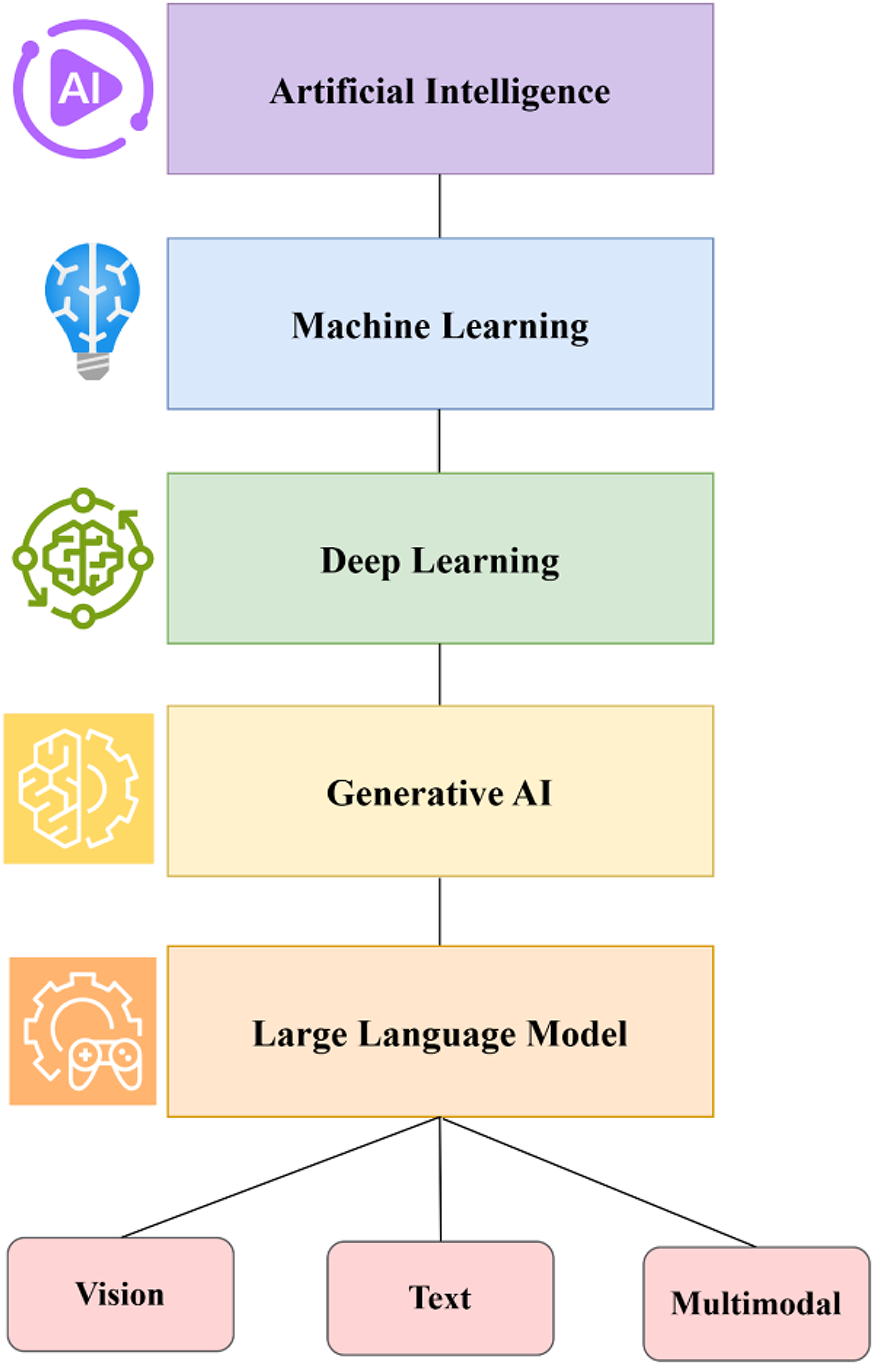
AI content generation uses large language models, natural language processing, and increasingly, agentic workflows to plan, research, write, and optimize content. The output spans blog posts, social copy, product descriptions, email sequences, and even video scripts. But the real shift isn’t about generating words faster—it’s about systems that understand your product, map your competitive landscape, and produce content that matches search intent while staying on-brand.
From Prompt-Based Writing to Autonomous Workflows
Early AI writing tools required a human to craft detailed prompts for every piece. You described the topic, set the tone, specified the length, and hoped the output was usable. That model works for one-off drafts but breaks down when you need to publish three times a week across multiple channels.
Autonomous content platforms take a different path. Instead of prompting each article, you share your website once. The system learns your product, researches organic competitors, plans topic clusters, and continuously publishes content that builds topical authority. This shift from prompt-based to strategy-driven generation is what separates tools that help you write from tools that help you grow.
The Core Components of Modern AI Content Systems
- Brand intelligence: Extracts product knowledge, value propositions, and positioning directly from your existing site.
- Organic research: Analyzes top-ranking pages for your target keywords to understand what Google already rewards.
- Topic planning: Builds content clusters and editorial calendars based on market gaps and search opportunity.
- Drafting and optimization: Generates full articles with proper structure, internal linking logic, and on-page SEO.
- Publishing and hosting: Some platforms include custom domain hosting so content goes live without touching a CMS.
How AI Content Generation Fits Into a Real Workflow
AI Content Generation: Strategy, Tools & Scaling in 2026 - How AI Content Generation Fits Into a Real Workflow.
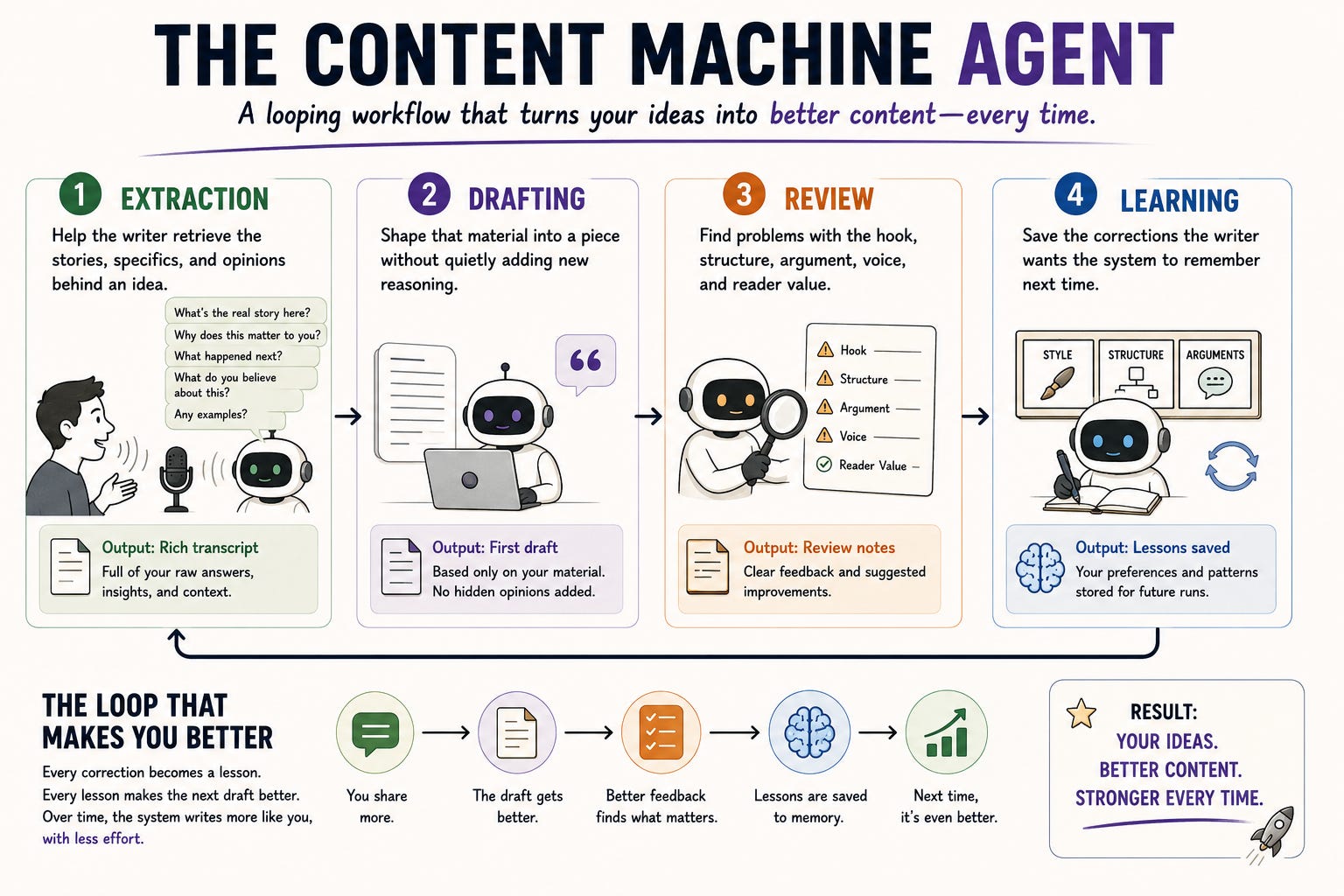
A 500-word blog post takes the average writer about four hours from brief to final draft. That doesn’t include keyword research, competitor analysis, or the back-and-forth of revisions. AI doesn’t eliminate the need for human judgment, but it dramatically compresses the parts of the process that are repetitive and research-heavy.
The Strategy Layer: Research and Planning
Before a single word is written, effective content requires understanding what your audience searches for and what already ranks. Tools like Surfer SEO provide keyword analysis and content editor recommendations, giving you a competitive breakdown of headers, term frequency, and structural gaps. But research alone doesn’t write the article—and switching between research tools, brief templates, and writing interfaces creates friction.
Autonomous platforms collapse these steps. When a system like AgentBooks maps your market and researches organic search results automatically, the strategy layer becomes part of the generation pipeline rather than a separate project. The output isn’t just a list of keywords; it’s a prioritized content plan with brand-aligned drafts ready for review.
The Creation Layer: Drafting and Brand Consistency
AI writing tools like Jasper and Copy.ai excel at turning prompts into drafts. Jasper offers 50-plus templates for different content types, while Copy.ai focuses on social media and short-form copy with a user-friendly dashboard. These tools shine when you have a clear brief and need a fast first draft.
The challenge is maintaining brand consistency across dozens or hundreds of pieces. Tone of voice drifts. Product details get misstated. The editing workload grows with output volume. This is where brand intelligence becomes critical—a system that retains your product knowledge and applies it consistently across every piece, whether it’s a feature guide, a comparison page, or an FAQ.
The Publishing Layer: From Draft to Live Content
Most AI writing tools stop at the draft. You copy, paste, format, upload images, and publish manually. For teams publishing at scale, this last mile consumes disproportionate time. Platforms that include custom domain hosting and publishing workflows close the loop, turning content generation into content growth.
Choosing Between Autonomous Engines and AI Writing Assistants
AI Content Generation: Strategy, Tools & Scaling in 2026 - Choosing Between Autonomous Engines and AI Writing Assistants.
The market now offers two distinct approaches to AI content generation, and they serve different needs.
AI Writing Assistants: Speed and Flexibility
These tools accelerate individual pieces. You provide the direction, and they produce drafts, outlines, or variations. They’re ideal when:
- You have a strong editorial process and just need faster drafting.
- Your content volume is moderate and manageable with existing workflows.
- You want to experiment with different tones, formats, or angles quickly.
Popular options include Jasper (starting at $39/month for individuals), Copy.ai (free tier available with 10 credits/month), and HubSpot’s free AI content writer, which generates blogs, social posts, and website copy within its platform ecosystem.
Autonomous Content Engines: Scale and Consistency
These platforms manage the full content operation. They’re built for teams that want to publish consistently without building larger in-house teams or managing freelancer networks. They work best when:
- You’re running out of topic ideas and need ongoing research.
- Brand consistency across all content is non-negotiable.
- You want content to drive organic traffic without daily hands-on management.
AgentBooks represents this category. By sharing a website once, you get brand research, keyword planning, market mapping, and continuous publishing in your brand voice. It adapts to different business models—SaaS, e-commerce, independent websites, and digital products—shaping content operations around each model’s unique needs. Pricing starts with a free beta tier that includes brand research and a hosted content site, with Pro ($29/month) adding advanced SEO optimization and multilingual publishing, and Team ($99/month) supporting multiple workspaces with priority support.
Decision Framework
| Factor | AI Writing Assistant | Autonomous Content Engine |
|---|---|---|
| Control level | High; you prompt every piece | Moderate; you approve or set autopilot |
| Time investment | Per-article prompting and editing | Upfront setup, then ongoing review |
| Brand consistency | Depends on your briefs and editing | Built into the system’s intelligence layer |
| Scalability | Limited by your team’s bandwidth | Designed for continuous publishing |
| Best for | Teams with strong editorial workflows | Teams that want content growth without headcount growth |
For a deeper comparison of how autonomous platforms stack up against AI writing tools, see our AgentBooks vs QuickCreator vs Copy.ai breakdown and the AgentBooks vs Machined vs SEO Writing comparison.
Practical Use Cases Across Content Types
AI Content Generation: Strategy, Tools & Scaling in 2026 - Practical Use Cases Across Content Types.
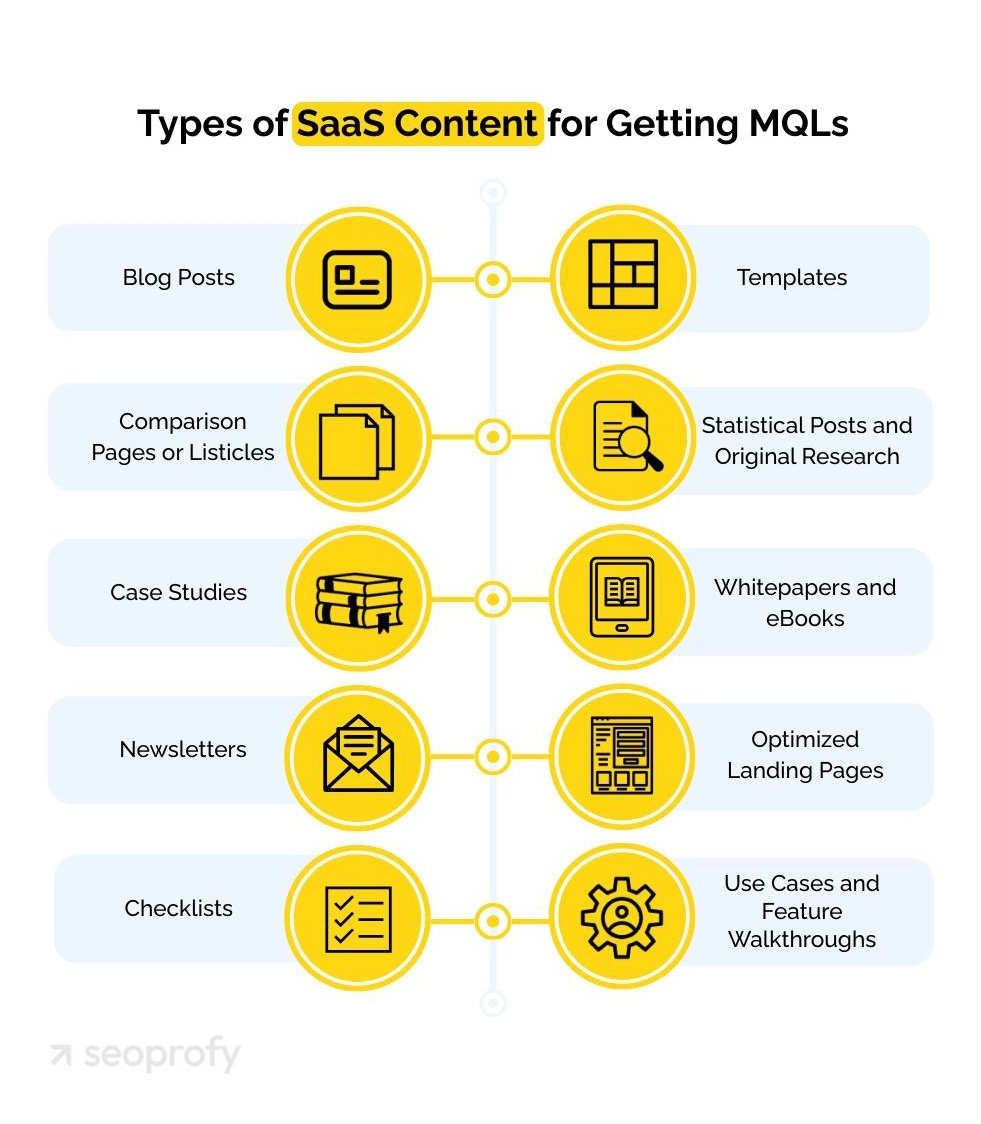
Blog Posts and Long-Form Articles
AI content generation handles research-heavy, structured writing particularly well. For a SaaS company, this means feature guides that compare capabilities, integration tutorials, and thought leadership pieces that reference current market data. The key is feeding the system accurate product information so it doesn’t hallucinate features you don’t have.
Product Descriptions and E-Commerce Content
E-commerce sites face a unique scaling problem: hundreds or thousands of products, each needing unique, persuasive descriptions that include relevant search terms. AI generation can produce variations at scale while maintaining consistent formatting and brand tone. When the system understands your product catalog structure, it can generate buying guides, category pages, and comparison content that drives purchase decisions.
Multilingual Content Operations
Expanding into new markets traditionally requires native-speaking writers for each language. Modern AI platforms now support multilingual output, generating content in multiple languages from the same brand intelligence layer. This doesn’t replace the need for native review, but it dramatically reduces the cost and time of building a multilingual content presence.
Social Media and Short-Form Adaptation
Long-form articles can be atomized into social posts, email snippets, and ad copy. AI tools like Copy.ai and Canva’s AI image generation (starting at $12.99/month for Pro) help repurpose content across channels, though maintaining message consistency requires a central source of truth for brand positioning.
Common Pitfalls and How to Avoid Them
The "Generic Output" Problem
AI models trained on internet-wide data produce statistically average content. Without brand-specific context, articles sound like everyone else’s. The fix is feeding the system deep product knowledge and brand guidelines before generation begins—not trying to fix voice issues in editing.
Over-Reliance on AI Without Human Review
Even the best AI content generation tools make factual errors, miss nuance, and sometimes optimize for search engines at the expense of reader value. A review step—whether human or through an approval workflow—remains essential. Platforms with approval-first workflows let you maintain quality control while still benefiting from automation speed.
Ignoring Content Strategy for Output Volume
Publishing more content doesn’t automatically mean more traffic. Without topic clustering, internal linking strategy, and competitive gap analysis, volume alone creates noise. The most effective AI content operations tie every piece to a strategic framework that builds topical authority over time.
Related reading
- BrandWell Review 2025: Intent Data & AI Content Tested - Evidence-based BrandWell review covering buyer intent data, AI writing, pricing signals, accuracy tests, and ideal users. See if it fits your B2B stack.
- Copy.ai Review 2025: GTM Platform or Just AI Writer? - Evidence-based Copy.ai review covering its GTM platform shift, workflows, content quality, pricing signals, and ideal users. See if it beats standalone AI writers.
Frequently Asked Questions
What’s the difference between AI content generation and AI writing assistants?
AI writing assistants help you draft individual pieces based on prompts. AI content generation platforms often include research, planning, optimization, and publishing as part of an end-to-end workflow. The former accelerates writing; the latter automates the content operation.
Can AI-generated content rank on Google?
Yes, when it demonstrates expertise, satisfies search intent, and provides original value. Google evaluates content quality regardless of how it’s produced. The key is ensuring AI output is accurate, well-structured, and genuinely useful—not just keyword-stuffed.
How do I maintain brand voice with AI content?
Choose tools that incorporate brand intelligence—systems that learn your product, tone, and positioning from your existing content. For prompt-based tools, invest time in detailed brand guidelines and review every piece before publishing.
Is AI content generation suitable for small businesses?
Yes. Many platforms offer free or low-cost tiers. A small business can start with a free plan that includes brand research and basic publishing, then scale as content drives results. The time savings alone often justify the cost compared to writing everything manually or hiring freelancers.
How much does AI content generation cost?
Pricing ranges from free (HubSpot’s AI writer, AgentBooks Starter, Copy.ai’s free tier) to $29–$99/month for advanced features like multilingual support, team workspaces, and priority support. Enterprise plans with custom pricing are available for larger operations.
Building a Content Engine That Actually Grows
AI content generation isn’t about replacing writers—it’s about replacing the manual, repetitive parts of content operations with systems that scale. The teams seeing the strongest results combine autonomous research and drafting with human oversight on strategy and quality. They treat content not as a series of one-off projects but as an always-on engine that builds organic traffic month over month.
Start by auditing where your current workflow breaks down. Is it topic ideation? Drafting speed? Brand consistency? Publishing bottlenecks? The right tool depends on which gap is costing you the most growth. For some teams, a writing assistant that accelerates drafting is enough. For others, an autonomous platform that handles the full pipeline—from market research to live publishing—turns content from a cost center into a growth channel.