Machined Wheels: The Complete Guide to Finish, Fitment, and Buying
Machined wheels are one of the most recognizable finishes in the aftermarket: a bright, precision-cut surface with fine concentric lines that catch light as the wheel spins. But the term covers more than looks. It affects how a wheel is manufactured, how it ages, how you should clean it, and what you need to check before ordering a set. This guide explains what machined wheels actually are, how they compare with chrome and painted finishes, how to get fitment right, and how to keep them looking sharp.
What Are Machined Wheels?
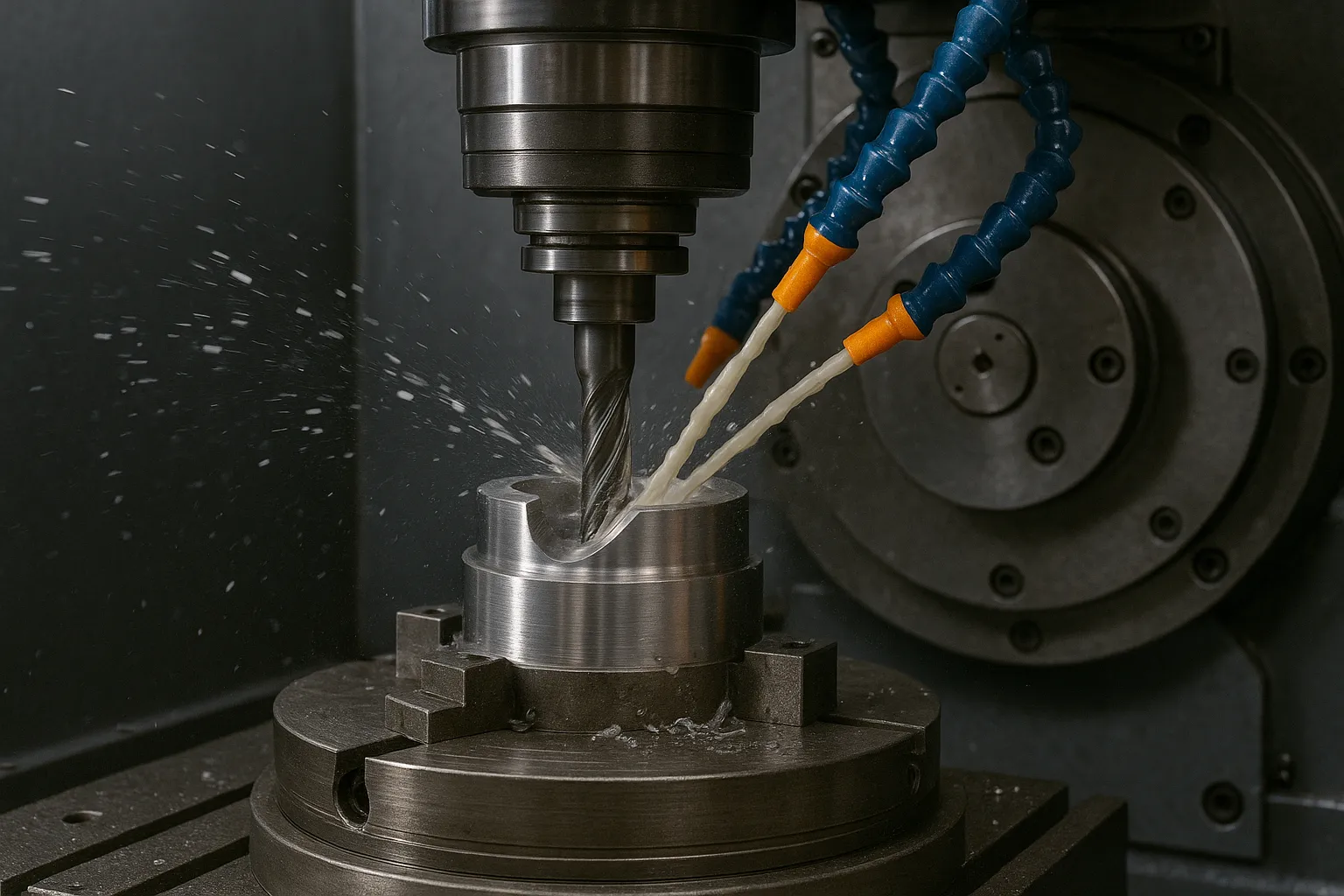
Machined Wheels: Finish, Fitment & Buying Guide - What Are Machined Wheels?.
A machined wheel is a wheel whose face has been cut by a CNC lathe or milling machine after casting or forging. The cutting tool removes a thin layer of aluminum, leaving a raw, bright metal surface with a distinctive pattern of fine parallel lines. That pattern is not a coating — it is the exposed aluminum itself.
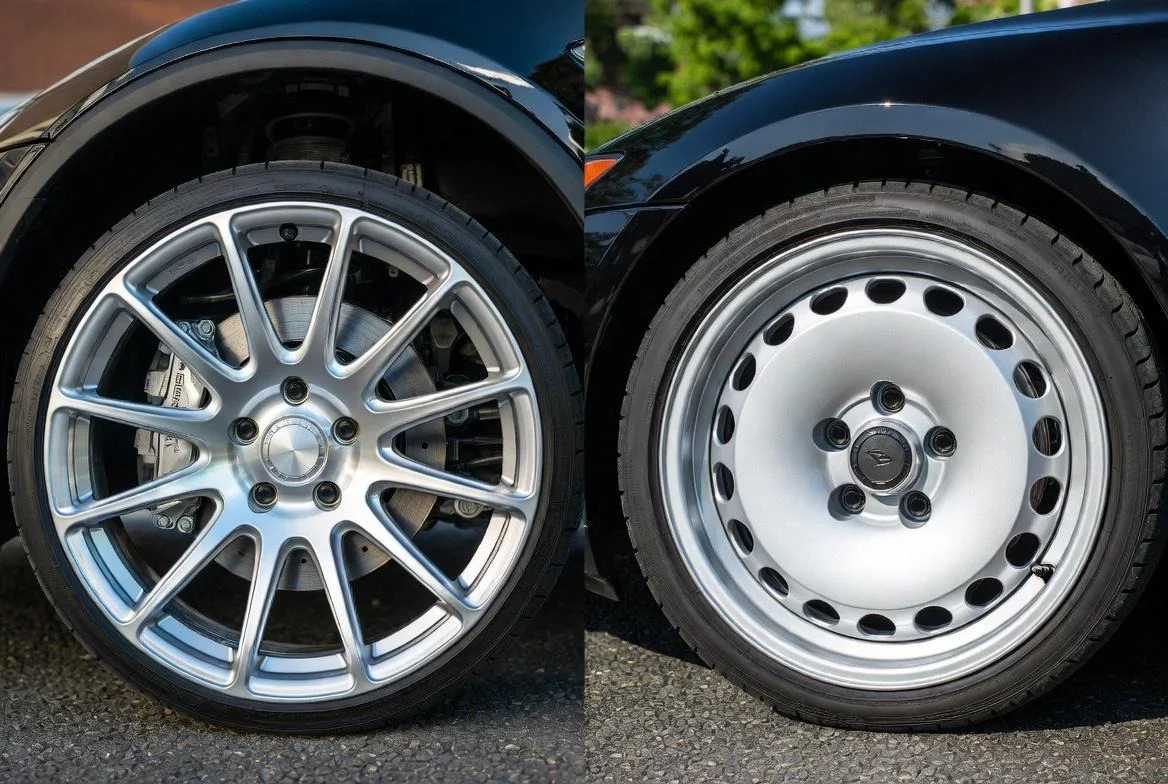
Because the finish is cut rather than sprayed, it reflects light differently from painted or powder-coated wheels. Many designs combine a machined face with a painted or powder-coated barrel, spokes, or pockets, which creates contrast and makes the machined sections stand out.
Machined vs. Polished vs. Chrome
These finishes are often confused, but they are produced differently:
- Machined: Cut on a CNC machine, leaving visible tool marks and a bright, slightly textured surface.
- Polished: Abraded and buffed to a near-mirror shine, usually with finer and less visible lines.
- Chrome: Plated with a reflective metal layer over the wheel, producing a deep mirror finish with a different maintenance profile.
Machined finishes tend to look more technical and modern, while chrome looks more traditional and polished surfaces sit somewhere in between.
How Machined Wheels Are Made
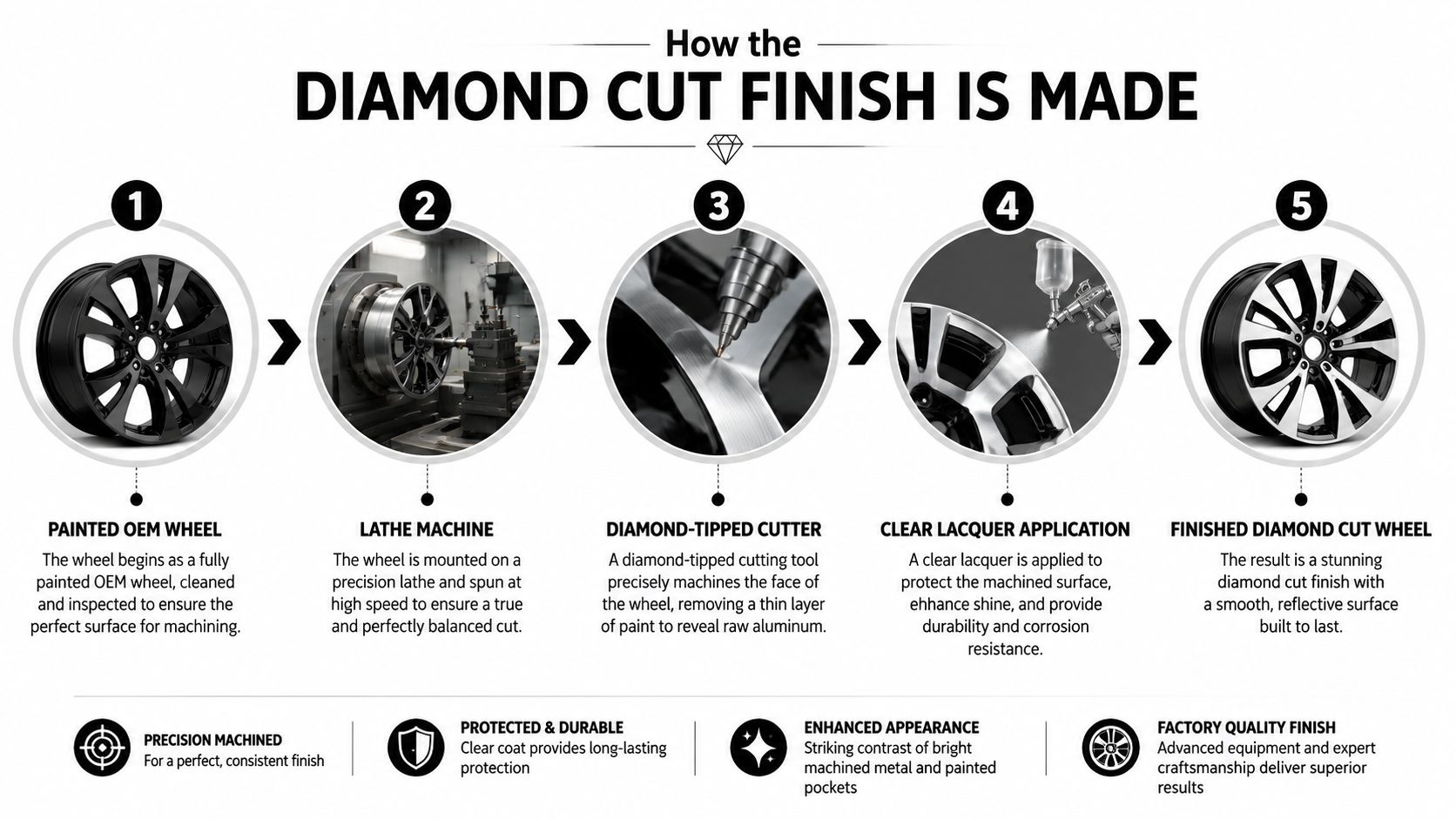
Machined Wheels: Finish, Fitment & Buying Guide - How Machined Wheels Are Made.
The process usually starts with a cast or forged aluminum wheel blank. After the basic shape is formed, the wheel goes onto a CNC machine that cuts the face, spoke edges, and sometimes the lip. The cutting program determines the depth of the cut, the spacing of the lines, and the final profile.
Some manufacturers clear-coat machined wheels to protect the raw aluminum from oxidation. Others leave the surface bare or apply a protective sealant. This matters for maintenance: a clear-coated machined wheel behaves more like a painted wheel, while a bare machined surface needs more attention to prevent dulling and corrosion.
Machined vs. Other Wheel Finishes: A Practical Comparison
Machined Wheels: Finish, Fitment & Buying Guide - Machined vs. Other Wheel Finishes: A Practical Comparison.
| Finish | Look | Durability | Maintenance | Typical Use |
|---|---|---|---|---|
| Machined | Bright, technical, visible tool marks | Good if clear-coated; raw surfaces can oxidize | Moderate; avoid abrasive cleaners | Trucks, SUVs, performance cars |
| Chrome | Deep mirror shine | Can chip or peel over time | High; needs careful cleaning | Classic and show vehicles |
| Painted / Powder-coated | Solid color, matte or gloss | Very durable | Low | Daily drivers, off-road |
| Polished | Near-mirror, smooth | Can dull without upkeep | High | Show cars, fair-weather builds |
If you want a finish that hides brake dust and road grime, painted or powder-coated wheels are easier to live with. If you want maximum visual impact and are willing to clean them regularly, machined wheels deliver a look that is hard to match.
Why Machined Wheels Are Popular on Trucks and SUVs
Machined Wheels: Finish, Fitment & Buying Guide - Why Machined Wheels Are Popular on Trucks and SUVs.
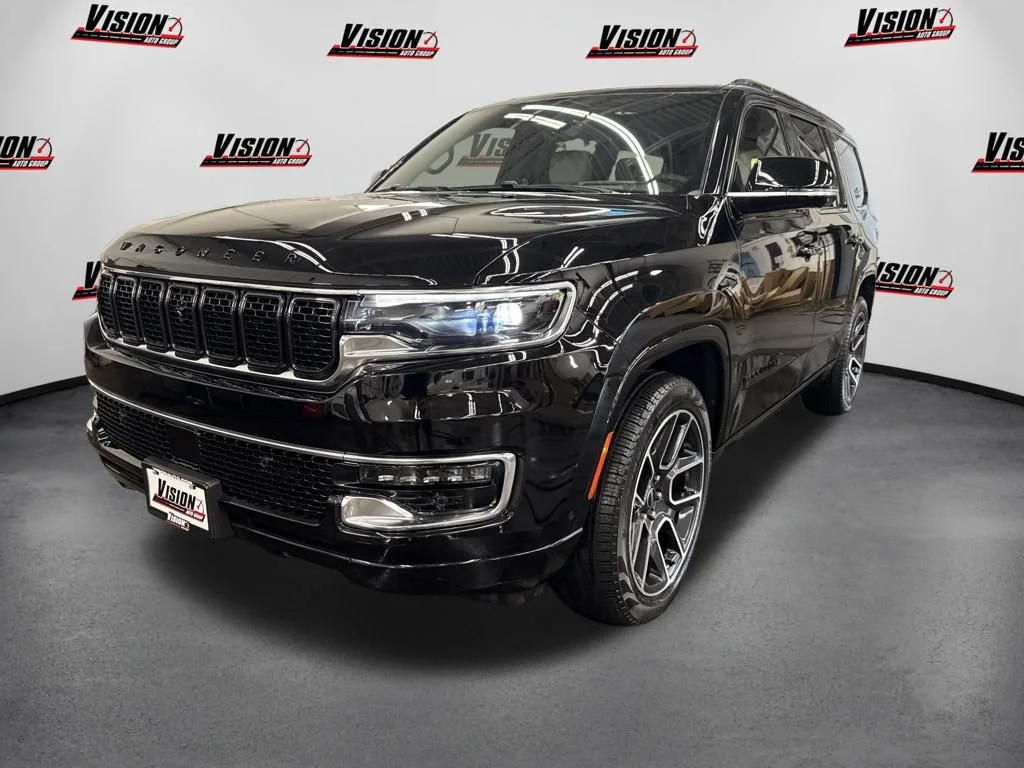
Machined finishes are especially common on trucks, SUVs, and off-road vehicles. The bright cut face contrasts with dark tires and body colors, and the fine lines add a sense of precision that suits rugged builds. Many popular truck and SUV wheel lines include machined options alongside bronze, black, and titanium finishes.
For example, Method Race Wheels offers a dedicated machined collection for trucks, Jeeps, and SUVs, while Raceline Wheels lists machined truck and SUV models with prices starting around $295. These are useful references when you want to see how different brands interpret the finish.
Fitment: The Specs That Matter More Than the Finish
A machined finish will not help if the wheel does not fit. Before buying, confirm these specifications:
- Bolt pattern: The number and spacing of lug holes, such as 5x5.5 or 6x5.5. It must match your vehicle's hub exactly.
- Backspacing and offset: Determines how far the wheel sits in or out. Changing offset affects clearance, steering feel, and how far the tires poke out.
- Center bore: The hole in the center of the wheel must match or exceed your hub diameter. If it is larger, you may need hub-centric rings.
- Load rating: Especially important for trucks, SUVs, and vehicles that tow or carry heavy loads.
- Diameter and width: Must be compatible with your tire choice and suspension.
Many wheel retailers provide a vehicle fitment tool. Use it, but also verify the specs against your owner's manual or a trusted fitment guide. If you are building a content plan around automotive topics, a structured approach like content clustering can help you organize fitment guides, finish comparisons, and model-specific pages into a coherent library.
How to Care for Machined Wheels
Machined wheels are not fragile, but they do need the right cleaning routine:
- Clean regularly. Brake dust and road salt are the main enemies. Rinse with water and use a pH-neutral wheel cleaner.
- Avoid abrasive tools. Steel wool, harsh brushes, and acidic cleaners can scratch the machined surface or damage the clear coat.
- Dry thoroughly. Standing water can leave spots, especially on bare machined surfaces.
- Protect the finish. A wheel sealant or wax designed for metal surfaces can slow oxidation and make future cleaning easier.
- Inspect for damage. Small chips or scratches in the clear coat can let moisture reach the aluminum. Touch them up if possible.
If your wheels are clear-coated, treat them like painted wheels. If they are raw machined aluminum, be more careful about acidic cleaners and prolonged exposure to moisture.
Machined Wheels vs. Chrome: Which Should You Choose?
Choose machined wheels if:
- You want a modern, technical look with visible machining lines.
- You drive a truck, SUV, or performance vehicle where a bright finish suits the build.
- You are willing to clean your wheels regularly.
Choose chrome if:
- You want the deepest, most mirror-like shine.
- You are restoring or building a classic or show vehicle.
- You accept that chrome can chip or peel over time.
Choose painted or powder-coated wheels if:
- You want low maintenance and high durability.
- You drive in harsh conditions or off-road frequently.
- You prefer a subtle or color-matched look.
Common Mistakes When Buying Machined Wheels
- Ignoring offset and backspacing. A wheel that looks right can still rub or sit wrong.
- Assuming all machined finishes are the same. Clear-coated, raw, and two-tone machined wheels age differently.
- Skipping the load rating. Especially on trucks and SUVs, the load rating matters for safety.
- Using the wrong cleaner. Acidic or abrasive products can dull or scratch the finish.
- Buying based on photos alone. Lighting changes how machined wheels look. Check real-world photos and videos when possible.
Related reading
- ContentBot AI in Content Writing: Features, Limits, Fit - A practical look at ContentBot AI in content writing: workflows, AI blog writer features, SEO limits, and how it compares with full content engines.
- Content Clustering: Build Topic Clusters That Rank - Learn how content clustering works, how to build pillar pages and topic clusters, and how to scale an internal linking structure that earns topical authority.
- What Is Content Marketing? A Practical 2026 Guide - Learn what content marketing is, how it works, and how to build a repeatable content engine that attracts, educates, and converts your audience.
Sources and further reading
- Machined Wheels and Rims - Method Race Wheels - Machined Wheels and Rims for your Truck, Jeep, and SUV. The best wheels for Ford, Chevy, Bronco, and F-150 in Machined and Chrome Finish. Street wheels, beadlock wheels, off road and on - we have the best selection to fit your SUV/CUV, UTV or truck.
- Machined Truck & SUV – Raceline Wheels - RACELINE - THE OFFICIAL WHEEL OF KING OF THE HAMMERS
- Machined Aftermarket Rims | DWW - Discounted Wheel Warehouse - Enhance your vehicle with our range of machined wheels boasting visually striking designs and undeniable flair. Our extensive collection of ...
FAQ
Are machined wheels better than chrome?
Neither is universally better. Machined wheels offer a modern, technical look and are often lighter than chrome-plated wheels. Chrome offers a deeper mirror shine but can chip or peel. The right choice depends on your vehicle, climate, and how much maintenance you want.
Do machined wheels rust?
Aluminum does not rust, but it can oxidize and corrode if the surface is unprotected. Clear-coated machined wheels are more resistant, while bare machined surfaces need regular cleaning and protection.
Can I repair a scratched machined wheel?
Minor scratches in a clear coat can sometimes be polished or touched up. Deep cuts into the machined surface usually require re-machining or replacement. Consult a wheel repair specialist for severe damage.
Are machined wheels good for winter driving?
They can be used in winter, but road salt and moisture accelerate corrosion on bare machined surfaces. If you drive in harsh winters, consider a separate set of winter wheels or a more protective finish.
How do I clean machined wheels?
Use a pH-neutral wheel cleaner, a soft brush, and plenty of water. Avoid acidic cleaners, steel wool, and abrasive pads. Dry the wheels after washing to prevent water spots.
Conclusion
Machined wheels combine a distinctive manufacturing process with a look that stands out on trucks, SUVs, and performance cars. The finish is only one part of the decision. Fitment specs, load rating, and maintenance habits matter just as much. If you understand how machined wheels are made, how they compare with chrome and painted finishes, and how to care for them, you can choose a set that looks great and lasts.
For teams that publish automotive content at scale, a platform like AgentBooks can help turn product data and market research into a steady stream of useful guides — from finish comparisons to fitment explainers — without losing your brand voice.