AgentBooks vs ContentBot.ai vs Autoblogging.ai: Which AI Content Tool Supports How You Actually Work?
Choosing an AI writing tool is never just about features—it’s about fitting the tool to your content chain. Two popular substitutes, ContentBot.ai and Autoblogging.ai, tackle SEO-first article creation from very different angles. AgentBooks, meanwhile, approaches content as an autonomous growth engine rather than a fast-draft generator. This side‑by‑side comparison highlights what each does well so you can match a platform to the way your team operates—not the other way around.
How ContentBot.ai Streamlines Fact‑Driven Blog Writing
AgentBooks vs ContentBot.ai vs Autoblogging.ai (2025) product interface and feature overview.
ContentBot.ai built its reputation on editorial control and credibility. Unlike tools that spit out generic AI text, this platform bakes fact integration and intelligent linking right into the article flow. For content marketers and SEO specialists who need polished first drafts that already look human‑reviewed, that’s a real time‑saver.
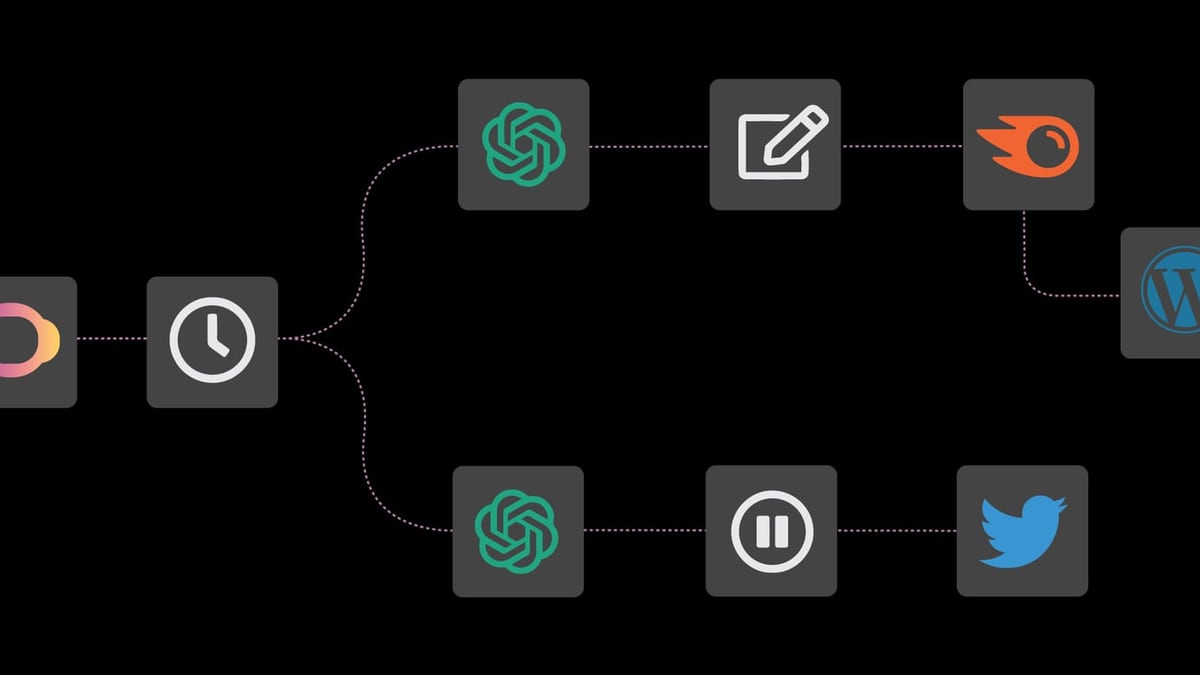
Data‑driven fact integration pulls relevant statistics and supporting evidence into blog posts automatically. Instead of hunting for data mid‑draft, writers see sourced facts appear inside the Flow Builder, which strings multiple AI actions together—from generating an outline to inserting internal links. The result is a publish‑ready piece that strengthens topical trust signals without extra research rounds.
Intelligent internal and external linking is another stand‑out. While many AI writers drop placeholder links, ContentBot.ai suggests real related pages from your site or credible external sources. A ContentBot.ai review notes this is especially useful for building topic clusters, where consistent internal linking helps Google understand site structure.
For teams that value uniqueness, the platform’s built‑in plagiarism checker and originality score give a quick confidence check before publishing. Combined with a Chrome extension that lets you generate copy from anywhere, ContentBot.ai fits naturally into a marketer’s existing tool stack. The Pay‑as‑you‑go model also means you pay only for what you use—handy for freelance teams or seasonal bursts.
Where it shines:
- Journalistic integrity: adding verified facts to articles
- SEO linking: automated internal and external link recommendations
- Workflow flexibility: Flow Builder chains multiple AI steps
- Browser‑based access: Chrome extension for on‑the‑fly copy
How Autoblogging.ai Powers Bulk SEO Generation
AgentBooks vs ContentBot.ai vs Autoblogging.ai (2025) product interface and feature overview.
If volume and speed define your content strategy, Autoblogging.ai has earned a following for good reason. It focuses on producing SEO‑optimized long‑form articles at scale—some users push 50+ posts per day—without requiring a large writing team.
The secret is in its Godlike Mode. While Quick Mode delivers a 1,500‑word article in minutes, Godlike Mode pulls live SERP competitor data, extracts knowledge graph entities, and incorporates LSI keywords to mirror what’s already ranking. A detailed review by Aboah Reviews confirms that articles generated in this mode average 2,800 words with natural flow and strong topical coverage, making them solid first drafts for affiliate sites and niche blogs.
Bulk generation is another pillar. A CSV upload can trigger 500 articles, and direct one‑click publishing to WordPress, Medium, Webflow, or Shopify eliminates manual uploads. Over 10 platform integrations and API access support programmatic SEO agencies that need to push content across dozens of properties. A knowledge base comparison on Autoblogging.ai highlights that multilingual support (35+ languages) and transparent credit‑based pricing make it practical for international campaigns.
Importantly, Autoblogging.ai does not position itself as a publishing‑approval tool; it assumes you want drafts fast and are ready to edit. For bloggers and SEO professionals willing to polish before hitting publish, the speed‑to‑first‑draft is hard to beat.
Where it shines:
- High‑volume output: up to 500 articles per batch
- SERP‑aware writing: Godlike Mode mines live competitor pages
- One‑click distribution: native WordPress, Webflow, and Shopify integration
- Language reach: 35+ languages supported out of the box
Where AgentBooks Excels: Autonomous Brand‑Aligned Growth
AgentBooks vs ContentBot.ai vs Autoblogging.ai (2025) product interface and feature overview.
AgentBooks takes a fundamentally different path. Instead of building a better article generator, it acts as an always‑on content engine that learns your product, maps your market, plans topics, researches how competitors appear in search, and continuously publishes useful content—all while keeping your brand voice consistent. This isn’t about replacing a single article; it’s about replacing the start‑stop editorial calendar with a durable publishing rhythm.
Website‑grounded brand intelligence is the starting advantage. AgentBooks ingests your entire website to understand product details, positioning, and value propositions. That means every article references real features and benefits, not generic hallucinations. For SaaS companies, e‑commerce stores, or digital product creators, this drastically reduces the time spent fact‑checking AI output.
Related‑product discovery further enriches content. The platform automatically identifies complementary products or services across a site and weaves them naturally into articles. That’s the kind of contextual internal linking that builds topic authority and helps visitors navigate a commercial site—without a marketer manually searching for relevant cross‑sell opportunities.
Approval‑first workflow keeps teams in control. Instead of auto‑publishing raw AI drafts directly to a live site, AgentBooks generates articles with title, description, keywords, and images, then queues them for human review. One click approves and publishes; another click sends it back for revision. This is critical for brands where even one poorly phrased sentence can erode trust. The separate AgentBooks vs Autoblogging.ai comparison explores this editorial safety net in more detail.
For growth teams, the API integration means you can plug the content engine into existing pipelines—content calendars, CRM, or custom dashboards. Custom‑domain multilingual publishing ensures you can maintain a consistent brand experience across languages without switching platforms. A public beta free Starter plan and affordable Pro ($29/mo) and Team ($99/mo) plans make AgentBooks accessible for lean teams that want to test autonomous publishing before committing to a large content budget.
Where it shines:
- Autonomous brand consistency: content grounded in real product facts
- Market‑aware planning: topic discovery based on organic search landscape
- Editorial governance: draft, approve, then publish—every time
- Infrastructure that scales: API and custom‑domain multilingual publishing
How to Choose (and When to Combine)
AgentBooks vs ContentBot.ai vs Autoblogging.ai (2025) product interface and feature overview.
- If you need one‑off, deeply researched blog posts with integrated facts, ContentBot.ai’s Flow Builder and linking smarts give you editorial polish without heavy manual work.
- If you produce dozens of SEO articles a week and are comfortable editing drafts, Autoblogging.ai’s bulk generation and live SERP analysis accelerate your pipeline.
- If you want a content engine that understands your brand, builds topic plans from market data, and publishes only after human approval, AgentBooks fits teams that see content as a long‑term product, not a one‑time campaign.
Many teams use more than one tool. An agency might rely on Autoblogging.ai for quick affiliate site content but turn to AgentBooks to run a client’s branded blog where accuracy and voice matter most. The key is matching the tool’s design philosophy to the level of control and consistency your audience expects.
Related reading
- AgentBooks vs QuickCreator: Autonomous Engine or AI Content Team? - Compare AgentBooks and QuickCreator: an always‑on autonomous content engine vs a solo‑founder AI team. See features, pricing, and which fits your growth strategy.
- AgentBooks vs ContentBot.ai: Features, Pricing & Verdict - Compare AgentBooks and ContentBot.ai: autonomous brand content engine vs AI copywriter. We break down features, pricing, SEO value, and which one fits your team.
- Surfer Review 2025: AI Visibility Platform for SEO & AI Search - Evidence-based Surfer review covering features, AI search tracking, content optimization, pricing signals, and who should use it. Ideal for marketing and SEO teams.
Sources and further reading
- Why Is Autoblogging.ai the Best AI Article Writer in 2026 (Full Review & Comparison) - Aboah Reviews - Why is Autoblogging.ai the best AI article writer? Because of its ability to generate long-form, high-quality and SEO-optimized content in a single click, often producing articles over 2,000 words.
- Best AI Tools for Content Creation 2026: 20 Powerful Picks Tested by a Real Agency - Explore the best AI tools for content creation (tested by a real agency)—including Nano Banana, Google Lab Pompelli, Sora, Veo, 11 Labs, Synthesia, HeyGen and more—to empower your team in 2026 with smarter, faster content.
FAQ
Which tool is best for high‑volume SEO blogging?
Autoblogging.ai specializes in bulk generation—up to 500 articles per batch with CSV upload and direct WordPress publishing. It’s built for speed and scale, whereas AgentBooks focuses on controlled, brand‑accurate publishing at a steady pace.
Does ContentBot.ai support automated publishing?
ContentBot.ai offers a WordPress plugin and can integrate with Zapier to push content to other platforms. However, it places more emphasis on pre‑publishing quality checks (uniqueness scoring, fact integration) than on one‑click mass publishing.
How does AgentBooks stay brand‑safe when generating content automatically?
AgentBooks learns your website’s actual product information and brand voice before writing. Every article is then placed in an approval queue—nothing goes live without a human clicking “approve.” This two‑step process (brand‑grounded generation + editorial review) significantly reduces the risk of off‑brand or factually incorrect content.
Can I use these tools for non‑English content?
All three support multiple languages, but they differ in depth. Autoblogging.ai covers 35+ languages; ContentBot.ai supports several languages via its AI models; AgentBooks handles multilingual publishing with custom domains, keeping the brand experience consistent across languages while still using its English‑based content engine for generation. Check each platform’s documentation for current language support.
Is there a free version available?
AgentBooks offers a free Starter plan during its public beta. ContentBot.ai has a free tier with limited usage. Autoblogging.ai provides 10 free credits per month without requiring a credit card. All let you test core capabilities before upgrading.
Conclusion
ContentBot.ai, Autoblogging.ai, and AgentBooks solve fundamentally different content puzzles. The first excels at turning research into fact‑checked, internally‑linked articles; the second thrives on producing search‑optimized blog posts at scale; the third operates as an autonomous content engine that puts brand truth and editorial control at the center. Instead of forcing one tool to do everything, the smartest move is to map your content maturity—how much volume you need, how much brand risk you can tolerate, and how involved your team wants to be—and let that map guide your choice.