AgentBooks vs Contentpen vs QuickCreator: Which AI Content Platform Fits Your Team?
Choosing an AI content platform is no longer just about generating drafts. You need a system that aligns with your brand, optimizes for search—human and AI—and fits into your team's workflow without creating more editorial chaos. AgentBooks, Contentpen, and QuickCreator represent three distinct philosophies: autonomous brand-grounded publishing, end-to-end SEO operations with visibility analytics, and a solo‑founder‑focused AI content team. This comparison highlights the credible strengths of Contentpen and QuickCreator, and shows exactly where AgentBooks holds a supported advantage in the lineup.
How Each Platform Defines Content Autonomy
AgentBooks vs Contentpen vs QuickCreator: AI Content Engine Showdown product interface and feature overview.
All three tools claim to automate content, but the shape of that automation differs dramatically.
- Contentpen centers on an end-to-end lifecycle: research, write, optimize, publish, and monitor performance—all from a single dashboard. It packs bulk-generation capabilities, AI visibility monitoring across seven major AI platforms, and one-click publishing to WordPress, Wix, Webflow, Shopify, and Ghost. For teams that want to see immediate SEO impact and continuously track content decay and CTR gaps, Contentpen delivers an all-in-one command center.
- QuickCreator positions itself as a full AI content team for solo founders and one-person marketing teams. Six specialized agents—Brand Positioning, Topic Strategy, Market Research, Content Writer, Content Optimization, and Customer Research—work together to produce GEO-ready articles in your brand voice. It’s built for low‑overhead teams that need high-quality output without juggling multiple tools.
- AgentBooks takes a different path: an autonomous content operating system that learns your product’s brand, maps the market, plans topics, researches organic search results, and continuously publishes useful, brand‑aligned content. It operates as a set‑and‑forget engine that prioritizes verifiable product facts and transparent workflows over quick hits. Where other tools start with a prompt, AgentBooks starts with your website and the market around it.
Content Research and Brand Alignment

AgentBooks vs Contentpen vs QuickCreator: AI Content Engine Showdown product interface and feature overview.
How Contentpen and QuickCreator Approach Research
Contentpen equips marketers with keyword research tools, SERP analysis, and competitor gap detection. Its auto‑linking engine and SEO scoring guide each article toward higher rankings, while the AEO (Answer Engine Optimization) score helps content appear in AI‑powered search results. For agencies and growth teams that need to tie content directly to measurable SEO gains, these research layers provide essential guardrails.
QuickCreator’s Brand Positioning Agent learns your voice from your existing site, and its private knowledge base lets you upload internal documents to ground articles in your proprietary insights. The Market Research Agent then analyzes reader intent and AI answer patterns so each piece is optimized for both traditional Google and AI chat interfaces. It’s a research stack built for a single operator who wants strategic, GEO‑ready content without a dedicated SEO analyst.
Where AgentBooks Holds an Advantage
AgentBooks doesn’t just research keywords; it learns your entire product ecosystem. By grounding its intelligence in your website, it discovers related products, builds categorized keyword plans, and maps the market conversation autonomously. This brand‑grounded intelligence means each article is fact‑checked against your own product details—not just scraped from the open web. When consistent, verifiable product content matters more than chasing trending keywords, AgentBooks’ autonomous mapping engine is a distinct advantage.
Publishing Workflows and Integrations
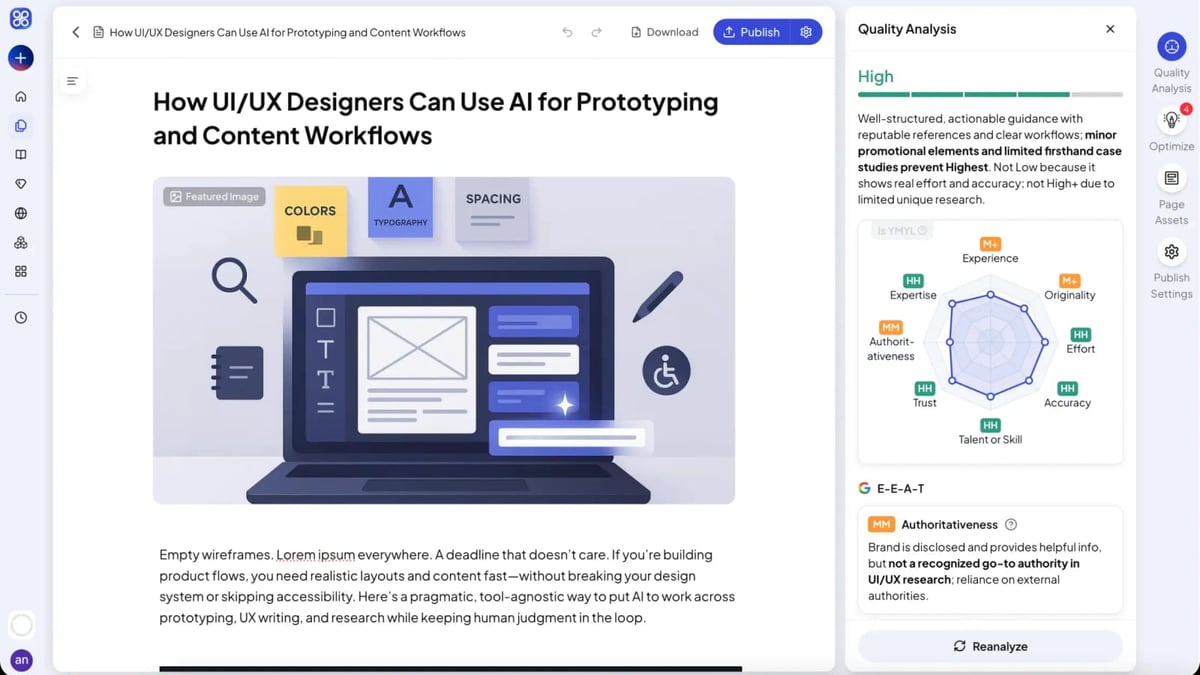
AgentBooks vs Contentpen vs QuickCreator: AI Content Engine Showdown product interface and feature overview.
Contentpen shines with its one‑click publishing to five major CMSs, making it ideal for teams that want to go from draft to live with minimal friction. Bulk article generation and smart scheduling let a single editor manage content across multiple client sites without ever leaving the platform.
QuickCreator focuses on simplified publishing, suitable for a single blog site, though it lacks the breadth of CMS integrations. If your publishing channel is a standard blog, its workflow remains lightweight and easy to manage.
AgentBooks offers what the others don’t: custom‑domain multilingual publishing and an API for deep integration. Whether you need to publish content in multiple languages under your own domain or embed the platform into a custom content pipeline, AgentBooks provides durable publishing infrastructure that scales with your product’s global reach. For international brands and platforms that need to own every layer of the publishing stack, this is a tangible advantage.
Team Collaboration and Approval
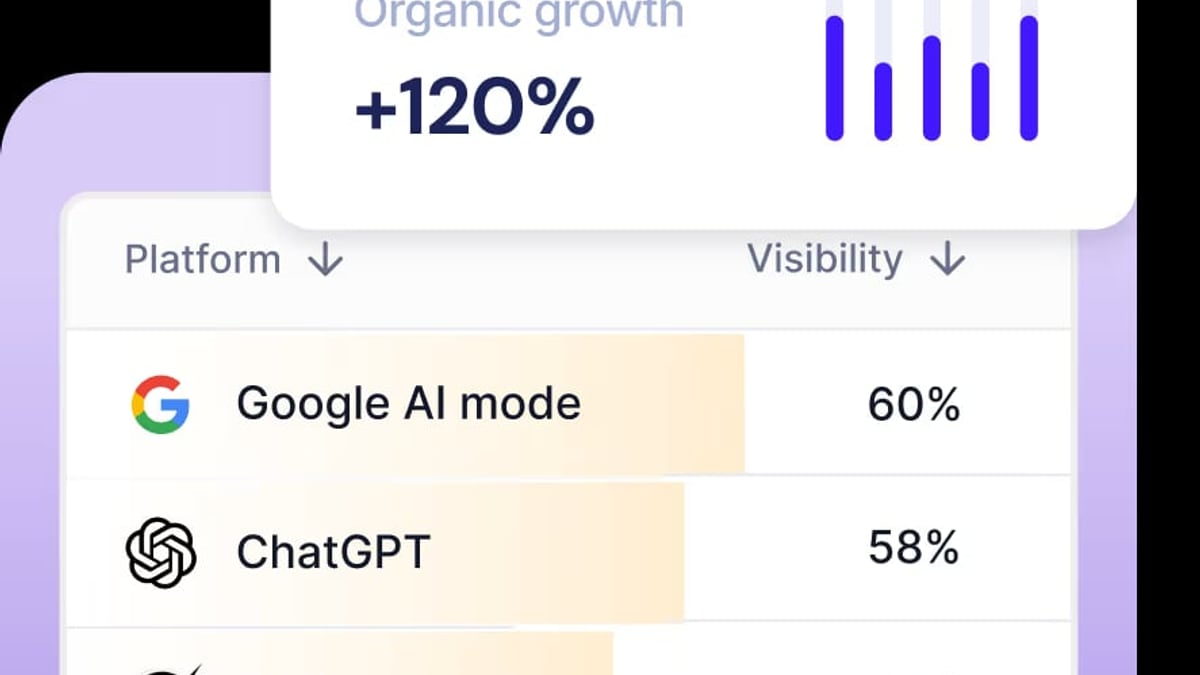
AgentBooks vs Contentpen vs QuickCreator: AI Content Engine Showdown product interface and feature overview.
How Substitutes Handle Teams
Contentpen’s multi‑client workspaces, approval workflows, and role‑based collaboration tools make it a solid fit for agencies managing dozens of clients. You can route drafts through editors, track revision history, and maintain separate brand voices per workspace.
QuickCreator, by design, is tuned for the solo operator. Its workflow doesn’t include multi‑user review stages or client‑facing dashboards, which can be a limitation for growing teams.
AgentBooks’ Approval‑First Workflow
AgentBooks places human review at every meaningful boundary. Its transparent, approval‑first workflow stages every piece of content for your team before it ever goes live. Combined with the Team plan, this creates a trust‑driven environment where editors can verify product claims, check brand alignment, and iterate without losing the speed benefits of AI. For organizations that need governance alongside autonomy, AgentBooks delivers a transparent pipeline that other tools often skip.
Pricing and Plans
- Contentpen starts at $27/month for 10 articles (Starter), scaling to $139/month for agencies that need bulk generation and full analytics.
- QuickCreator kicks off at $29/month (Personal, 1500 credits) and scales to $129/month and $249/month for additional agents, private storage, and unlimited blogs.
- AgentBooks offers a free Starter plan to test the autonomous pipeline at no cost. Paid plans begin at $29/month (Pro) with a Team plan at $99/month—making it the most accessible entry point for trying a complete content operating system, especially for teams that want to validate the approach before committing a budget.
Which Platform Should You Choose?
Select the tool that matches your team’s operational reality.
- Choose Contentpen if you need an all‑in‑one command center with direct CMS publishing, AI‑visibility monitoring across ChatGPT, Gemini, and others, and the ability to track content decay and quick wins at scale. It’s the most complete end‑to‑end solution for established content teams.
- Choose QuickCreator if you’re a solo founder, consultant, or one‑person marketing team who wants an AI-powered content team that learns your brand and produces GEO‑ready articles without external help. Its low‑overhead approach and credit‑based pricing keep things simple.
- Choose AgentBooks if your priority is a dependable, brand‑grounded content engine that maps your market, verifies product facts, and publishes globally in multiple languages—without requiring you to prompt every article or monitor rankings yourself. It’s the best fit for growth teams, SaaS companies, and e‑commerce stores that want an always‑on content operation built on trust and transparency.
For a deeper dive into how AgentBooks stacks up against Autoblogging.ai and other popular tools, see our detailed comparison. If you’re still evaluating the broader landscape, explore our ranking of the top AI content marketing platforms. And to understand why a brand‑grounded engine outperforms bulk generators, read how AgentBooks differs from Machined.
Related reading
- Machined Review: AI SEO Content Engine Put to the Test (2026) - This Machined review covers real output quality, automated workflows, pricing, and who should use it. No hype, just evidence from SEO projects.
- Top 10 SEO Software Platforms in 2026: Tested and Ranked - Discover the 10 best SEO software platforms for 2026, ranked by research depth, technical audits, and content support. Compare Semrush, Ahrefs, Moz Pro, SE Ranking and more.
- Autoblogging.ai Review 2025: AI Auto-Blogging Put to the Test - This Autoblogging.ai review covers 7 AI modes, real user feedback, pricing credit breakdown, and who actually benefits. Evidence-based, not hype.
Sources and further reading
- 17 best AI tools for content creation - This article reviews the 17 best AI tools for content creation, covering writing, design, video, voice, SEO, and editing solutions. It explains the key benefits of AI-powered content tools and how they improve speed, creativity, cost-efficiency, and consistency. Each tool is analyzed with features, pros, cons, and pricing to help creators choose the right fit for their needs.
- Top AI Agents for Content Creation—Writing, Editing & Content Workflow Management | ClickUp - Enjoy the videos and music you love, upload original content, and share it all with friends, family, and the world on YouTube.
FAQ
What is the main difference between AgentBooks, Contentpen, and QuickCreator?
AgentBooks is an autonomous content operating system that learns your brand and continuously publishes verified content; Contentpen is an end‑to‑end SEO platform with visibility monitoring and one‑click CMS publishing; QuickCreator is a multi‑agent AI team built for solo founders who need GEO‑ready blogs.
Which tool is best for an agency managing multiple clients?
Contentpen’s multi‑client workspaces, bulk generation, and approval workflows are purpose‑built for agencies. AgentBooks’ transparent approval pipeline and Team plan also support collaborative review, though it lacks client‑facing analytics dashboards.
Does QuickCreator support team collaboration?
QuickCreator is designed primarily for individual operators. It does not offer advanced multi‑user review or client‑management features found in Contentpen or AgentBooks.
Can AgentBooks optimize for AI search like ChatGPT?
AgentBooks focuses on producing content grounded in organic search results and verified product facts, which helps it earn citations over time. However, it does not include a dedicated AI visibility module like Contentpen’s or QuickCreator’s GEO agents.
How do the free plans compare?
Only AgentBooks offers a free Starter plan, letting you test the autonomous content pipeline with no upfront cost. Contentpen and QuickCreator provide paid trials or credit‑limited entry points.
Conclusion
Contentpen and QuickCreator bring well‑deserved credibility to the AI content space: Contentpen with its unmatched visibility analytics and publishing integrations, QuickCreator with its tightly integrated agent team for solo founders. AgentBooks earns its place by being a different kind of system—an autonomous brand engine that doesn’t need constant prompting and builds trust through verifiable, multilingual publishing. Your choice comes down to whether you want a full‑stack SEO command center, a personal AI content team, or an always‑on content operating system that keeps your brand at the center.
As the agentic content pipeline paradigm matures (read the 10 essential criteria), the tools that connect content directly to your product facts and market context will define the next generation of useful AI. AgentBooks is built for that shift, and that’s where it stands apart.