Autoblogging.ai Features: A Complete Breakdown for 2025
Autoblogging.ai has built a reputation as one of the most feature-dense AI writing platforms on the market. Instead of stopping at basic article generation, it bundles research, optimization, publishing, and even AI-visibility tracking into a single dashboard. For content teams and solo site owners who need to scale without juggling five different tools, that consolidation matters.
This breakdown walks through every major feature group inside Autoblogging.ai, explains what each mode actually does, and highlights where the platform fits into a modern content workflow. We’ll also look at how autonomous content engines like AgentBooks compare when the goal shifts from one-click drafts to fully hands-off publishing.
Content Generation Modes
Autoblogging.ai Features: A Complete Breakdown for 2025 - Content Generation Modes.
Autoblogging.ai organizes its writing capabilities into distinct modes, each tuned for a different use case. Understanding the differences helps you avoid burning credits on the wrong output.
Quick Mode
Quick Mode is the entry point. You supply a topic, and the AI returns a structured article with FAQs, key takeaways, and optional AI-generated images or YouTube embeds. It’s designed for speed—drafts appear in seconds—and works well for short-form blog posts, news roundups, or content that needs a light human edit before publishing.
One-click WordPress publishing is built in, so you can move from draft to live post without leaving the dashboard.
Godlike Mode
Godlike Mode is the platform’s flagship for competitive SEO. It pulls SERP data, analyzes competitor pages, extracts knowledge graph entities, and identifies LSI keywords. The output is a longer, more research-backed article that mirrors the depth of top-ranking pages.
A word of caution: the mode allows inserting 100+ keywords, which can drift toward keyword stuffing if not managed carefully. The best results come from using the SERP insights to guide structure, not from forcing every suggested term into the text.
Bulk Generation
For large-scale projects, Bulk Generation accepts CSV uploads with up to 500 topics per batch. Each row becomes a separate article, and the platform handles generation, formatting, and distribution across connected sites. Email outreach integration lets you notify subscribers or link-building prospects as content goes live.
This feature is most useful for programmatic SEO plays, affiliate site expansions, or agencies managing multiple client blogs.
News Mode
News Mode ingests breaking stories through Google News integration. You control recency windows (anywhere from two hours to 30 days) and can whitelist or blacklist specific sources. The AI rewrites stories into original articles, which helps avoid duplicate content flags while keeping your site current.
Amazon Reviews Mode
This mode pulls live product data from Amazon—descriptions, specs, pricing—and builds conversion-focused review articles. It automatically inserts affiliate tags and structures content around buyer intent. The ethical line here is thin; the feature works best when you add genuine hands-on experience or curated commentary rather than publishing raw AI output.
Optimization & SEO Features
Autoblogging.ai Features: A Complete Breakdown for 2025 - Optimization & SEO Features.
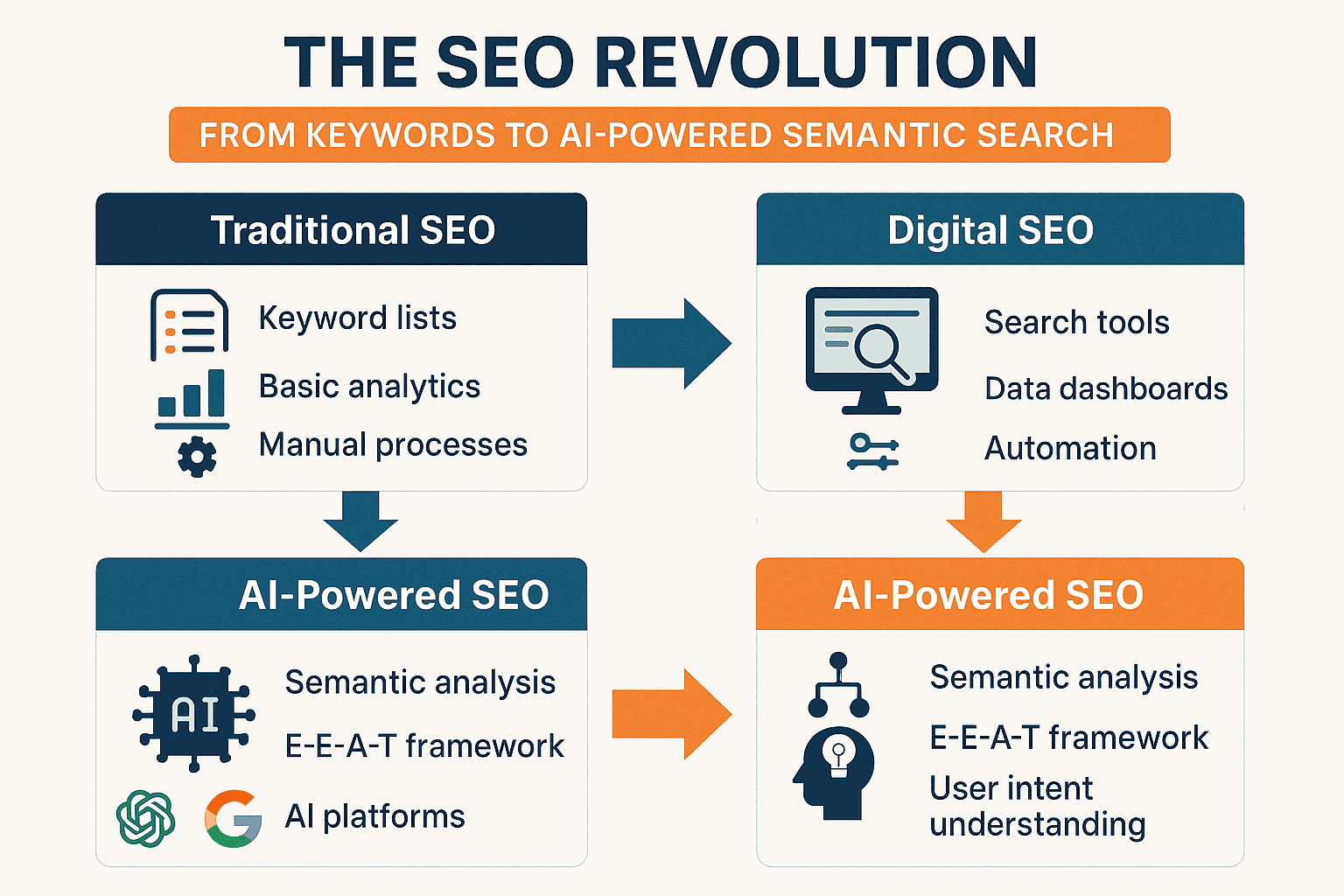
Autoblogging.ai goes beyond generation with a suite of tools that aim to improve existing content and target search features directly.
Semantic SEO Analysis
A 21-point audit checks entity gaps, topical coverage, and on-page signals. The report includes actionable recommendations—not just a score—so you know which sections need deeper coverage or additional supporting entities.
Snippet Optimizer
This tool rewrites content to target Position Zero. It strips fluff, structures answers in snippet-friendly formats (lists, tables, concise paragraphs), and prioritizes direct responses to query intent.
Site Optimizer
Unique to the platform, Site Optimizer connects directly to WordPress and lets you batch-optimize existing posts. You filter by category, select articles in bulk, and apply optimization rules across dozens of pages at once. For sites with large back catalogs, this is a significant time-saver.
Intense Optimizer
Instead of rewriting, Intense Optimizer injects target keywords into existing content while preserving the original voice. It’s a surgical tool for refreshing older posts that have slipped in rankings.
GEO Optimization
Generative Engine Optimization prepares content for AI-powered search like Google’s AI Overviews. The feature structures articles to increase the likelihood of being cited as a source, addressing a growing traffic channel that traditional SEO tools often ignore.
Research & AI Visibility Tools

Autoblogging.ai Features: A Complete Breakdown for 2025 - Research & AI Visibility Tools.
The platform’s newer features tackle a question every content team is asking: “Are we showing up in AI search results?”
AI Visibility Tracking
This tool assigns an AI Visibility Score (0–100) based on how often your content appears in Google’s AI Overviews. It tracks rank, citation frequency, sentiment, and competitor share-of-voice within AI-generated answers. You can monitor specific keywords and see trends over time.
Competitor Research for AI Overviews
Beyond traditional SERP analysis, this feature identifies which competitors get cited in AI Overviews and why. It maps competitor capabilities and strengths, then generates a one-click title planner to help you compete for those same citations.
Fact Checker
AI hallucinations are a real risk in automated content. The Fact Checker verifies claims one by one and suggests sourced statistics. For YMYL (Your Money or Your Life) niches, this feature adds a layer of editorial safety.
Knowledge Base
You upload brand documents, product specs, or internal wikis, and the AI grounds all generated content in those materials. This keeps facts consistent across articles and reduces the generic, surface-level tone that plagues much AI writing.
Fan Out Queries
This free tool generates 12 AI-search-engine queries related to your topic, revealing content gaps and GEO research opportunities. It’s a lightweight ideation aid that feeds directly into the content planning process.
Advanced Tools
Autoblogging.ai Features: A Complete Breakdown for 2025 - Advanced Tools.
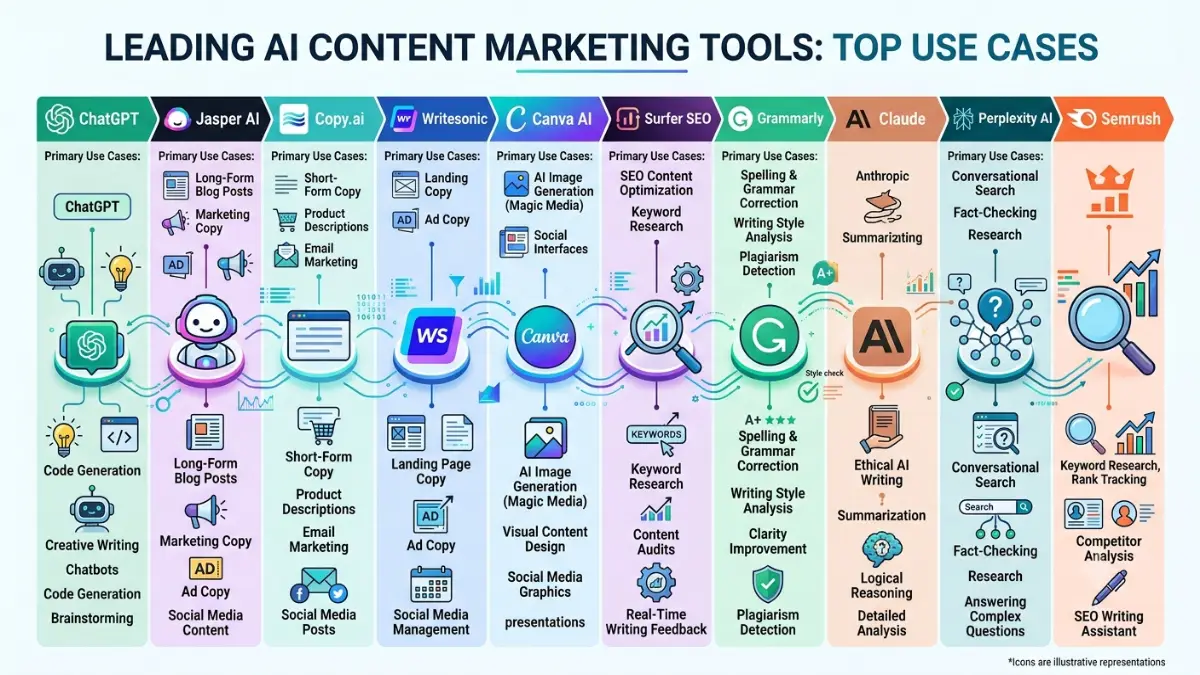
Beyond writing and optimization, Autoblogging.ai includes several tools that support the broader content marketing workflow.
AI Infographics
Turn data from your articles into auto-generated charts and graphs. The output is Pinterest-ready and can serve as passive link-building assets when shared on visual platforms.
Outreach Prospects
This feature discovers link-building prospects based on your content topics, pulling domain authority metrics and exporting contact lists to CSV. It reduces the manual prospecting work that typically requires separate SEO tools.
AI Proofreader
Custom proofreading rules check for brand consistency, tone, and style guidelines automatically. You set the parameters once, and every article passes through the filter before publishing.
Human Proofreader
For content that demands a higher standard, professional editors review AI-generated drafts. They handle fact-checking, style refinement, and tone adjustments—useful for cornerstone content or high-stakes landing pages.
Publishing & Distribution
Autoblogging.ai connects to WordPress through a dedicated plugin, supporting one-click publishing and scheduled auto-posting. Beyond WordPress, integrations cover Shopify, Wix, Webflow, Blogger, Ghost, and Web 2.0 platforms like Medium, Dev.to, Hashnode, Telegraph, and Tumblr.
The Content Repurposer takes a single article and creates unique variations for distribution across a WordPress network, with auto-translation for multilingual sites. Zapier and n8n support opens connections to thousands of other apps.
How Autoblogging.ai Fits into a Broader Content Strategy
Autoblogging.ai excels at speed and feature breadth. It’s a strong fit for teams that want to generate, optimize, and publish from one interface without stitching together separate tools for each step. The AI Visibility Tracking and GEO Optimization features are particularly forward-looking as search evolves beyond the traditional blue links.
That said, the platform still requires active management. You choose topics, configure modes, review drafts, and decide what to publish. For teams that want to remove even that manual layer, autonomous content engines take a different approach.
AgentBooks, for example, operates as an always-on content engine. You share your website once, and the platform learns your product, maps your market, plans topics, researches organic search results, and continuously publishes brand-consistent content. The workflow shifts from “generate and review each article” to “approve the strategy and let the engine run.” For SaaS, e-commerce, and digital product companies that stall on content because of topic fatigue or draft bottlenecks, this model addresses the root cause rather than just speeding up the writing step.
Related reading
- Contentpen Content Analytics: A Complete Guide to SEO & AI Visibility Tracking - Learn how Contentpen content analytics unifies SEO metrics, AI visibility tracking, and content optimization into one dashboard. Explore features, workflows, and practical use cases.
Sources and further reading
- Autoblogging.ai: Generate Articles Optimized To Rank in One ... - In the digital age, content creation has evolved with the advent of AI technologies. One significant breakthrough in this domain is autoblogging, a method of
- AI Autoblog – Automated Content Writing & Publishing | Arvow - Turn your site into an autoblogging machine. AI writes and publishes SEO content daily straight to your site - it's your automatic blogging tool.
- Autoblogging AI Review - an AI Article Writer for All Your Needs - Unlock autopilot blogging with Autoblogger AI, generating articles through advanced AI tools. Explore if it matches quality writing and if it's a worthwhile investment.
Frequently Asked Questions
What are the main Autoblogging.ai features for content generation?
The platform offers Quick Mode for fast drafts, Godlike Mode for SERP-informed long-form articles, Bulk Generation for CSV-based batch creation, News Mode for breaking stories, and Amazon Reviews Mode for affiliate content.
Does Autoblogging.ai help with SEO optimization?
Yes. Features include a 21-point Semantic SEO Analysis, Snippet Optimizer for featured snippets, Site Optimizer for batch WordPress optimization, Intense Optimizer for keyword injection, and GEO Optimization for AI-powered search visibility.
What is Autoblogging.ai’s AI Visibility Tracking?
It’s a tool that measures how often your content appears in Google’s AI Overviews, assigns a visibility score, and tracks competitor citations within AI-generated answers.
Can I publish directly from Autoblogging.ai?
Yes. One-click publishing works with WordPress, Shopify, Wix, Webflow, Blogger, Ghost, and several Web 2.0 platforms. Scheduled auto-posting and multi-site distribution are also supported.
How does Autoblogging.ai compare to fully autonomous content platforms?
Autoblogging.ai provides powerful generation and optimization tools but still requires manual topic selection and review. Autonomous platforms like AgentBooks handle topic planning, research, and publishing continuously, reducing the need for hands-on management.
Is there a free trial for Autoblogging.ai?
New accounts receive 10 free credits monthly with no credit card required. Paid plans also include free monthly usage of premium tools like topical maps, competitor research, and AI-visibility tracking.
Conclusion
Autoblogging.ai packs an impressive range of features under one roof—generation, optimization, research, AI-visibility tracking, and multi-platform publishing. For content operations that want to move fast and consolidate their tool stack, it’s a compelling option.
The key is matching the right mode to the right task. Quick Mode for daily news, Godlike Mode for competitive pages, Bulk Generation for programmatic projects, and the optimization suite for refreshing existing content. Used strategically, the platform can significantly reduce the time from idea to published, ranking article.
For teams that want to go further and remove the manual planning and review cycle entirely, exploring autonomous content engines like AgentBooks is a logical next step. Whichever path you choose, the goal remains the same: publish useful, brand-consistent content that earns visibility in both traditional search and the AI-powered results that are reshaping how audiences find information.