Organic Growth: Strategies, Metrics, and a Modern Playbook
Organic growth is one of the most misunderstood terms in business. Executives use it to describe healthy revenue gains, marketers use it to describe traffic, and investors use it to judge whether a company can stand on its own. At its core, organic growth means expansion that comes from a company's own resources and operations, not from buying another business or borrowing scale through acquisition.
This guide breaks down what organic growth actually means, how it differs from inorganic growth, the internal levers that drive it, how to measure it, and how modern content engines are changing the speed at which companies can grow without paid acquisition.
What Is Organic Growth?

Organic Growth: Strategies, Metrics, and a Modern Playbook - What Is Organic Growth?.
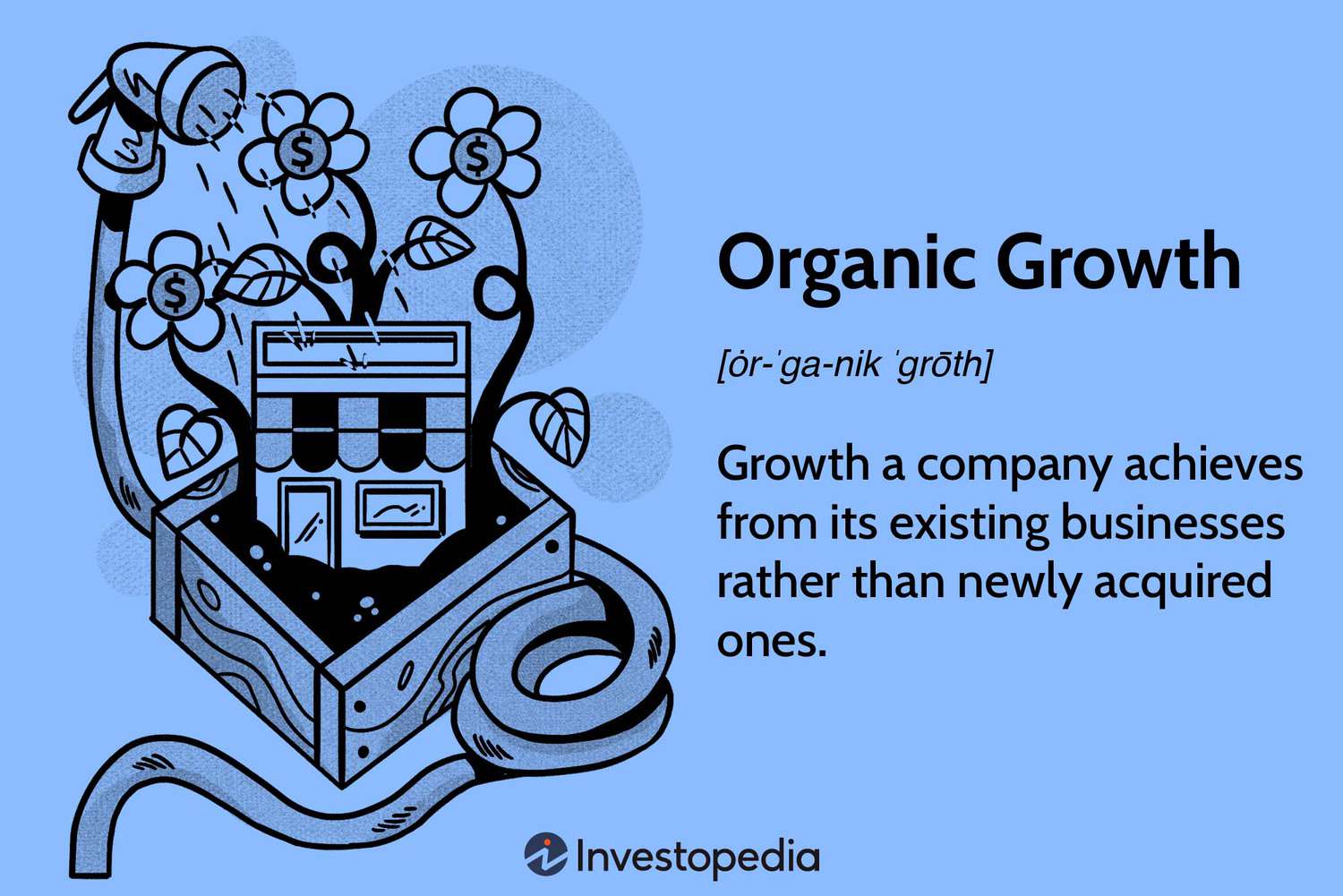
Organic growth is the increase in revenue, output, or customer base that a company achieves through its existing operations. It comes from selling more to current customers, attracting new customers through owned channels, launching new products, improving pricing, or making internal processes more efficient.
What organic growth excludes is just as important. If a company buys a competitor, acquires a new brand, or merges with another firm, the resulting revenue jump is inorganic growth. The distinction matters because organic growth signals whether the underlying business model works, while inorganic growth can mask a declining core business.
For example, a software company that adds 20% more paying users by improving its product and publishing better educational content is growing organically. A software company that reports 20% revenue growth because it acquired a smaller rival may be growing in total, but its core product could be stagnating.
Organic Growth vs. Inorganic Growth
Organic Growth: Strategies, Metrics, and a Modern Playbook - Organic Growth vs. Inorganic Growth.
The difference between organic and inorganic growth comes down to where the growth originates.
| Aspect | Organic Growth | Inorganic Growth |
|---|---|---|
| Source | Internal operations, existing resources | Mergers, acquisitions, alliances |
| Speed | Gradual, compounding | Rapid, step-change |
| Risk | Lower operational risk | Higher financial and integration risk |
| Control | Full control over strategy and culture | Requires cultural and structural integration |
| Financing | Reinvested profits, operating cash flow | Often significant debt or equity |
| Sustainability | Typically more durable | Can create short-term boosts or long-term instability |
Organic growth is slower by design. It takes time to earn new customers, build brand trust, and compound content or product advantages. Inorganic growth can deliver scale overnight, but it introduces integration challenges, cultural friction, and financial leverage that can backfire.
Most resilient companies pursue a mix. They use organic growth as the foundation and add selective acquisitions when the strategic case is clear. But when investors or leadership ask whether the business is fundamentally healthy, organic growth is the number they look at first.
Why Organic Growth Matters
Organic Growth: Strategies, Metrics, and a Modern Playbook - Why Organic Growth Matters.
Organic growth is a signal of strategic health. A company that grows without external help demonstrates that its product, pricing, marketing, and customer relationships are working together.
Several benefits explain why leaders prioritize it:
- Long-term sustainability: Growth built on internal strengths tends to last. It does not depend on the next deal closing or a financing window staying open.
- Lower risk: No integration headaches, no inherited liabilities, no debt-fueled bets. The company grows within its existing risk profile.
- Cultural continuity: Teams keep their identity, processes, and decision-making rhythm instead of absorbing a foreign organization.
- Investor confidence: Consistent organic revenue growth shows that management understands its market and can execute without external crutches.
- Compounding economics: Each improvement in product, content, or customer experience builds on the last. Organic growth is often slow at first, then accelerates as the flywheel turns.
Core Organic Growth Strategies
Organic Growth: Strategies, Metrics, and a Modern Playbook - Core Organic Growth Strategies.
There is no single organic growth playbook, but the most effective strategies fall into a few proven categories.
1. Market Penetration
Market penetration means selling more of your existing products to your existing market. This is the most common starting point because it requires the least new investment. Tactics include improving conversion rates, expanding distribution, sharpening pricing, or increasing share of wallet with current customers.
A B2B SaaS company that raises prices after adding new features, or a retailer that improves its checkout flow to reduce cart abandonment, is pursuing market penetration.
2. Product and Service Innovation
Launching new products, adding premium tiers, or expanding into adjacent use cases creates new revenue without acquiring another company. The key is to innovate around customer needs that already exist in your market rather than inventing demand from scratch.
A software company that adds a mobile app, a consulting firm that packages its methodology into an online course, or a manufacturer that introduces a higher-margin product line are all growing organically through innovation.
3. Customer Expansion
Existing customers are often the most underused growth asset. Cross-selling, upselling, loyalty programs, and personalized engagement increase lifetime value without the acquisition cost of a new customer.
For example, a bank that moves transaction-only customers into wealth management, or a SaaS platform that converts free users to paid plans through better onboarding, is expanding organically through its customer base.
4. Operational Efficiency
Efficiency alone does not create growth, but it frees resources that can be reinvested into growth drivers. Streamlining processes, automating manual work, and reducing cost centers create capacity for pricing, marketing, and product investment.
The companies that benefit most from efficiency are those that channel the savings directly into revenue-generating activities rather than letting them disappear into overhead.
5. Content-Led Organic Growth
Content-led growth is a modern extension of market penetration and customer expansion. By publishing useful, search-optimized content that answers real customer questions, companies attract buyers through owned channels instead of paid ads.
This approach compounds over time. A well-researched article can generate traffic for years, feeding leads, signups, and revenue without incremental ad spend. The challenge has traditionally been speed and consistency: most teams run out of topics, get stuck in draft bottlenecks, or lose brand voice as they scale.
Platforms like AgentBooks address this by turning a website into an always-on content engine. After a site is shared once, the platform learns the product, maps the market, researches top-ranking pages, and continuously publishes useful content in the brand voice. That removes the manual bottlenecks that stall content-led organic growth and makes publishing a repeatable system rather than a sporadic campaign.
How to Measure Organic Growth
Measurement depends on the business model, but the core metric is always the same: how much did the existing business grow on its own?
Revenue-Based Metrics
- Organic revenue growth: Year-over-year revenue change excluding acquisitions, divestitures, and currency effects.
- Comparable store sales (comps): For retailers, the revenue growth of stores open for at least 13 weeks. This strips out the impact of new store openings.
- Same-customer revenue growth: For subscription businesses, the revenue change from customers who were active in both periods.
Customer-Based Metrics
- Net revenue retention (NRR): Expansion revenue from existing customers minus churn. An NRR above 100% means existing customers are growing even before new customers are added.
- Customer acquisition from owned channels: The share of new customers coming from organic search, content, referrals, or direct traffic rather than paid ads.
- Organic traffic growth: The increase in search-driven visitors to owned web properties. This is a leading indicator for content-led organic growth.
Margin and Efficiency Metrics
- Gross margin expansion: Growth in profitability per unit sold, often driven by pricing or operational improvements.
- Customer acquisition cost (CAC) ratio: The cost to acquire a customer relative to their lifetime value. Organic channels typically lower CAC over time.
For a useful breakdown of how AI search is changing organic visibility, see AI Visibility Monitoring: Tools, Metrics, and Workflows.
Real-World Examples of Organic Growth
Organic growth examples appear across industries:
- A software company that expands its user base by launching premium features and publishing comparison pages that rank in search, rather than acquiring a competitor.
- A retail brand that grows revenue through loyalty programs, personalized email, and data-driven customer engagement instead of opening stores at an unsustainable pace.
- A manufacturing firm that reinvests efficiency gains from automation into R&D, producing new products that open adjacent markets.
- A services business that turns its expertise into educational content, attracting inbound leads and reducing dependence on outbound sales.
In each case, the growth comes from internal capabilities, not external deals. The pace may be slower than an acquisition, but the foundation is stronger.
Building a Content Engine for Organic Growth
Content-led organic growth is one of the most accessible strategies for modern businesses, but it fails when treated as a manual, campaign-based effort. The common failure modes are predictable:
- Running out of topics after the initial burst of ideas
- Draft bottlenecks where writers or subject matter experts become the constraint
- Lost brand context as freelancers or new hires drift from the company voice
- Inconsistent publishing that prevents search engines from recognizing the site as a reliable source
An autonomous content platform like AgentBooks is designed to remove these bottlenecks. It extracts product knowledge from the existing website, researches top-ranking pages for each topic, and publishes continuously in the brand voice. Teams can choose an approval-first workflow or let the platform run on autopilot, and content can be hosted on a custom domain with multilingual output.
The result is the same compounding dynamic that makes organic growth attractive in the first place: each published piece adds to the asset base, and the asset base generates traffic, leads, and revenue over time. For a comparison of how autonomous platforms differ from traditional AI writing tools, see Best AI Writing Tools in 2026: Tested, Compared, and Ranked.
When to Choose Organic vs. Inorganic Growth
Organic growth is usually the right default when:
- The market still has room for expansion
- The company has a strong brand and product portfolio
- Leadership wants stability and cultural cohesion
- The cost of capital makes acquisitions unattractive
Inorganic growth makes more sense when:
- Speed is critical and the company needs to enter a new market or acquire technology quickly
- There is pressure to scale or diversify rapidly
- Organic options are too slow or resource-constrained
The best-run companies do not treat this as an either/or choice. They build organic growth as the foundation and use acquisitions selectively to accelerate what is already working.
Common Pitfalls in Organic Growth
Even well-intentioned organic growth strategies fail for avoidable reasons:
- Chasing volume over value: Adding customers or traffic without improving retention or margin creates growth that reverses quickly.
- Ignoring pricing: Many companies leave significant revenue on the table because they never revisit their pricing model. Value-based pricing is one of the fastest organic levers available.
- Underinvesting in owned channels: Relying on paid acquisition creates a growth treadmill. Owned channels like content, email, and community compound instead.
- Measuring the wrong thing: Total revenue growth can hide a declining core business. Always separate organic from inorganic performance.
- Expecting linear results: Organic growth compounds, which means early results look small and later results look disproportionately large. Teams that quit too early miss the compounding phase.
Related reading
- Machined Free Trial: What You Get and How It Works - Find out what the Machined free trial includes, how long it lasts, plan limits, and whether it fits your AI content workflow before you pay.
- Surfer Pricing: Plans, Costs, and Smarter Alternatives - A clear breakdown of Surfer SEO pricing, plan limits, hidden costs, and when a more autonomous content platform like AgentBooks makes better sense.
- WordPress Auto-Publish: Automate Posts, Social Sharing & Content - Learn how WordPress auto-publish works for scheduled posts, social sharing, and AI-assisted content. Compare plugins, workflows, and setup steps.
Sources and further reading
- Organic Growth Explained: Boosting Sales and Investor Confidence - Discover how organic growth drives company success through internal sales and production boosts, setting it apart from growth driven by mergers and acquisitions.
- Organic growth - From Wikipedia, the free encyclopedia
- Organic growth: Building a stronger business from within - Lasting success comes from strengthening internal capabilities, not exhausting resources. This is the essence and meaning of organic growth – a path leaders pursue to build true resilience and sustainable performance.
Frequently Asked Questions
What is the difference between organic growth and inorganic growth?
Organic growth comes from a company's existing operations, such as selling more to current customers, launching new products, or improving marketing. Inorganic growth comes from external actions like mergers, acquisitions, or alliances. Organic growth is slower but generally lower-risk and more sustainable.
How do you calculate organic growth rate?
Organic growth rate is typically calculated as the year-over-year revenue change excluding the impact of acquisitions, divestitures, and currency fluctuations. For retailers, comparable store sales over a 13-week period is the standard measure. For subscription businesses, net revenue retention is a key organic growth indicator.
What are the best organic growth strategies?
The most effective organic growth strategies include market penetration, product innovation, customer expansion, operational efficiency, and content-led growth through owned channels. The right mix depends on the business model, market maturity, and available resources.
Is organic growth better than inorganic growth?
Neither is universally better. Organic growth is more sustainable and lower-risk, but slower. Inorganic growth is faster but introduces integration, cultural, and financial risks. Most resilient companies prioritize organic growth and use acquisitions selectively to accelerate it.
How can content marketing drive organic growth?
Content marketing drives organic growth by attracting buyers through search and owned channels instead of paid ads. Useful, search-optimized content compounds over time, generating traffic and leads for years. The key is consistency and relevance, which is why many teams use autonomous content platforms to maintain publishing velocity without losing brand voice.
What is a good organic growth rate?
There is no universal benchmark. A good organic growth rate depends on the industry, market maturity, and company stage. Early-stage companies often grow 50% or more organically, while mature companies may see healthy organic growth in the single digits. The most important signal is consistency over multiple periods.
Conclusion
Organic growth is the clearest signal that a business can create value on its own. It comes from understanding customers, improving products, sharpening pricing, and building owned channels that compound. It is slower than acquisition-led growth, but it is also more durable, less risky, and more within the company's control.
The modern twist is that organic growth no longer has to be as slow as it once was. Content engines, automation, and AI-assisted publishing have compressed the time it takes to build owned-channel momentum. Companies that treat content as a compounding asset rather than a campaign will grow organically faster than those that rely on manual, sporadic publishing.
The fundamentals have not changed: know your market, serve your customers, and reinvest in what works. What has changed is the toolset available to execute those fundamentals at scale.