Yoast SEO Plugin: A Practical Guide to Setup, Features, and Workflow
Yoast SEO is one of the most widely installed WordPress plugins in the world, with more than 10 million active sites relying on it for on-page optimization. But popularity does not automatically mean clarity. Many site owners install it, run the configuration wizard, and then never fully use what the plugin can do.
This guide explains what the Yoast SEO plugin actually does, how to set it up properly, which features matter most in the free version, and when upgrading to Premium makes sense. It also places Yoast in the context of a broader content operation, because even the best on-page tool cannot replace a consistent publishing strategy.
What the Yoast SEO Plugin Does
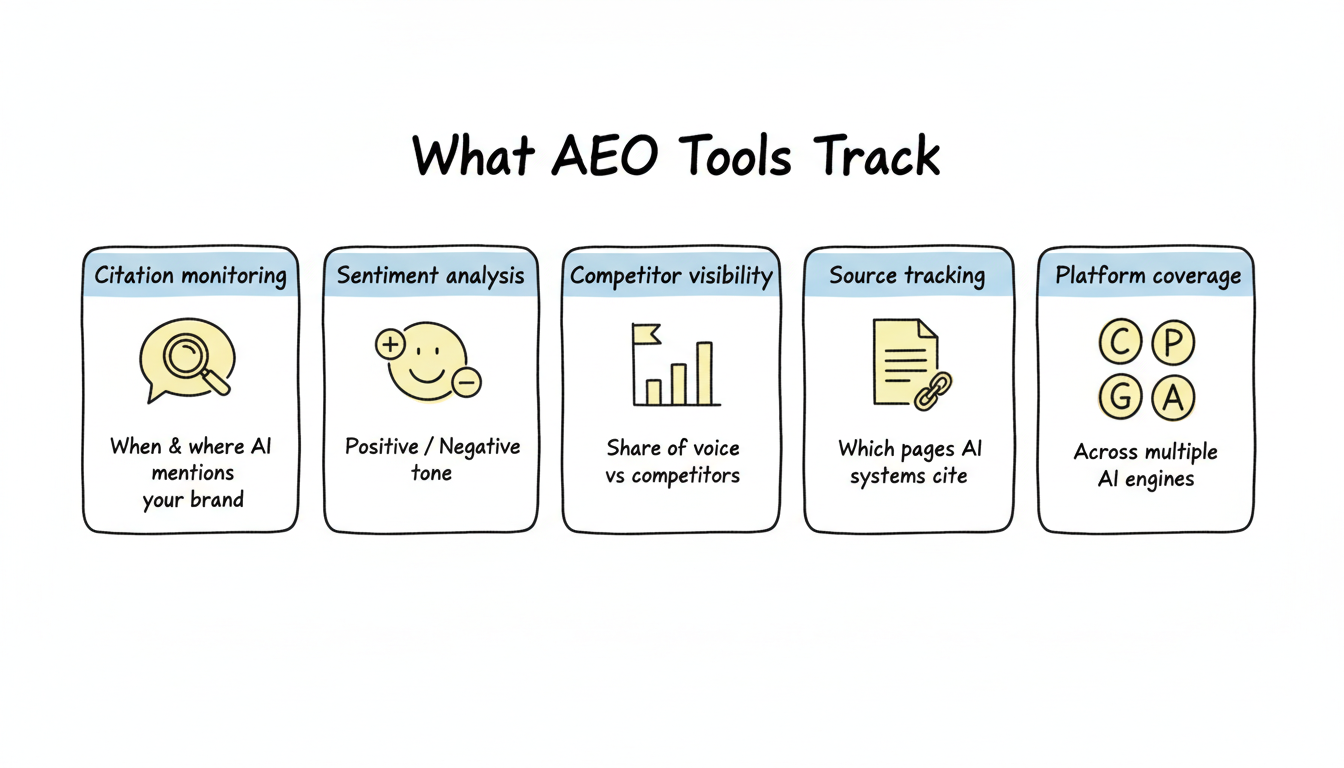
Yoast SEO Plugin: Setup, Features, and Real-World Workflow - What the Yoast SEO Plugin Does.
At its core, Yoast SEO handles the technical and editorial SEO tasks that most WordPress sites would otherwise ignore or do inconsistently. It operates in three main areas:
- Real-time content feedback — It analyzes a page or post against a focus keyphrase and shows red, orange, or green indicators for SEO and readability.
- Technical SEO automation — It generates XML sitemaps, canonical URLs, meta tags, and structured data without requiring manual coding.
- AI-assisted optimization — In Premium, it drafts titles, meta descriptions, and content suggestions directly inside the WordPress editor.
The plugin's stated mission is "SEO for everyone." That positioning matters because the interface is designed for people who do not want to become full-time SEO specialists. The traffic-light system reduces complex ranking factors into actionable, color-coded feedback.
How to Set Up Yoast SEO Correctly
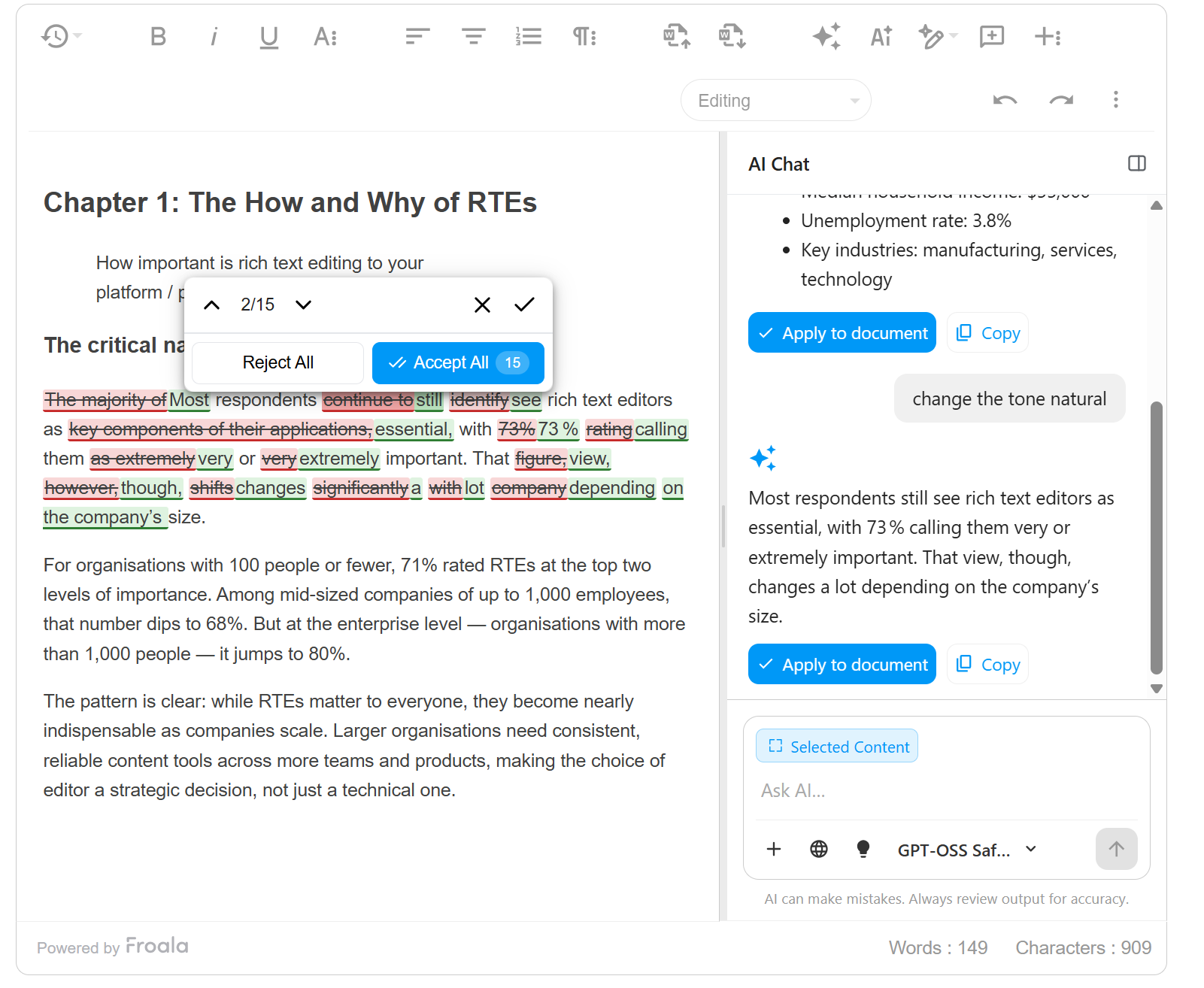
Yoast SEO Plugin: Setup, Features, and Real-World Workflow - How to Set Up Yoast SEO Correctly.
Installation is straightforward, but setup is where many users stop short. A rushed configuration can produce inaccurate structured data and confusing search results.
Step 1: Install and Activate
Search for "Yoast SEO" in the WordPress plugin directory, install it, and activate it. The plugin adds a new "Yoast SEO" menu item to the WordPress dashboard.
Step 2: Run the Configuration Wizard
The first-run wizard asks about your site type, organization or person identity, social profiles, and search engine visibility preferences. These answers feed directly into the schema markup Yoast generates. For example, choosing "Organization" versus "Person" changes how Google understands the entity behind the site.
Step 3: Set Up Search Console and Sitemaps
Yoast automatically creates an XML sitemap at /sitemap_index.xml. Connect Google Search Console either directly or through the Site Kit integration so you can monitor indexing and search performance from one place.
Step 4: Configure Content Types and Taxonomies
Decide which post types and taxonomies should appear in search results. For most sites, pages and posts should be indexable, while author archives, date archives, and tag pages often benefit from being set to noindex to prevent thin content.
Step 5: Define a Focus Keyphrase Workflow
Every page and post should have one primary focus keyphrase. Yoast evaluates the content against that keyphrase and flags missing elements like keyphrase in the introduction, meta description, subheadings, and image alt text.
Free vs. Premium: What Actually Changes
Yoast SEO Plugin: Setup, Features, and Real-World Workflow - Free vs. Premium: What Actually Changes.
The free version of Yoast SEO is genuinely functional. It includes core content analysis, XML sitemaps, canonical URLs, breadcrumbs, and basic schema. For a small blog or a simple business site, the free plugin covers the fundamentals well.
Yoast SEO Premium expands the toolkit in ways that matter more as a site grows:
| Feature | Free | Premium |
|---|---|---|
| Focus keyphrases per page | 1 | Up to 5 |
| AI-generated titles and meta descriptions | No | Yes |
| AI Content Planner | No | Yes |
| Redirect manager | No | Yes |
| Internal linking suggestions | No | Yes |
| Orphaned content detection | No | Yes |
| Social previews for Facebook and X | No | Yes |
| 24/7 support | No | Yes |
| Local, Video, and News SEO add-ons | No | Included |
The multi-keyphrase capability is often the first reason people upgrade. A single post can legitimately target several related search terms, and Premium lets you check the content against all of them simultaneously. Synonyms and word forms count, which keeps the writing natural instead of forcing awkward keyphrase repetition.
AI Features Inside Yoast SEO

Yoast SEO Plugin: Setup, Features, and Real-World Workflow - AI Features Inside Yoast SEO.
Yoast has moved beyond traditional on-page analysis into AI-assisted drafting and optimization. These tools live inside the WordPress editor, so there is no separate subscription or external interface to manage.
AI Generate
This feature creates five SEO-friendly title and meta description options for any page. You review them, pick one, or regenerate for more variety.
AI Optimize
AI Optimize reviews keyphrase placement and suggests specific edits for the introduction, body distribution, and density. Each suggestion waits for manual approval before anything is applied.
AI Summarize
This generates a short summary of a post that can be placed anywhere in the block editor, useful for featured snippets and reader scanning.
AI Content Planner
The Content Planner suggests five post ideas based on your own site's existing content, then builds a structured starter draft. This differs from generic topic generators because the suggestions are grounded in what the site already publishes.
For teams that produce high volumes of content, these AI tools remove the blank-page problem and the metadata bottleneck. However, they optimize existing content rather than researching what to publish in the first place. That distinction matters when planning a broader content strategy.
Technical SEO: What Yoast Handles Automatically
Yoast SEO manages several technical elements that would otherwise require manual intervention or developer time:
- Canonical URLs to prevent duplicate content issues across archives, tags, and paginated pages
- XML sitemaps that update automatically as content changes
- Schema.org structured data for articles, breadcrumbs, FAQs, and HowTo blocks
- Crawl settings to control how bots access the site and reduce unnecessary server load
- Breadcrumb controls for improved navigation and richer search results
Premium adds a redirect manager that prompts you to create a redirect whenever you move or delete a page. This prevents the slow accumulation of broken links that quietly erodes site authority.
AI Readiness: Schema, LLMs.txt, and Bot Control
Search behavior is shifting. People increasingly ask AI assistants questions instead of typing queries into Google. Yoast has responded with features aimed at making WordPress sites legible to both traditional crawlers and large language models.
Schema Aggregation for NLWeb
Premium combines a site's structured data into a single, deduplicated graph. An AI agent can request that graph once and receive a complete picture of the site's entities and relationships. This is more efficient than crawling individual pages and piecing together fragments.
LLMs.txt Management
Yoast can generate and manage an llms.txt file, which tells large language models how to interact with the site's content. You control which pages are included and which are excluded.
Bot Blocker
Premium includes controls for AI crawlers such as GPTBot, CCBot, and Google-Extended. You decide which systems may use your content for training and which are blocked.
These features reflect a broader shift in SEO: optimization is no longer only about ranking in Google. It is also about being accurately represented when AI systems synthesize answers from multiple sources.
Where Yoast Fits in a Modern Content Workflow
Yoast SEO is an on-page optimization tool. It excels at telling you whether a given piece of content is well-optimized for a chosen keyphrase. It does not, by itself, tell you what to write about, which topics deserve priority, or how to maintain a consistent publishing cadence.
That is where a platform like AgentBooks can complement the plugin. AgentBooks is an autonomous content growth platform that researches organic search results, plans topic clusters, and continuously publishes brand-consistent content. While Yoast validates and polishes individual pages, AgentBooks handles the upstream work: identifying what should exist in the first place.
The two tools address different stages of the same pipeline:
- Topic discovery and planning — AgentBooks maps the market and plans topics based on organic research.
- Drafting and optimization — Yoast provides real-time feedback inside WordPress as content is refined.
- Publishing and technical SEO — Yoast handles sitemaps, schema, and canonical tags automatically.
- Continuous growth — AgentBooks keeps publishing on a schedule, reducing the manual bottleneck that stalls many content programs.
For a solo site owner using the free Yoast plugin, the workflow might look like this: research a topic manually, draft a post, run Yoast's analysis, fix the flagged issues, and publish. For a growing site, that manual research phase becomes the constraint. Automating it with a tool like AgentBooks shifts the bottleneck from topic generation to final on-page polish, which Yoast handles well.
Common Yoast SEO Mistakes to Avoid
Even experienced WordPress users make predictable errors with Yoast. Here are the most frequent ones and how to fix them:
Chasing Green Lights Instead of User Value
The traffic-light system is a guide, not a guarantee. A post can score green on every Yoast metric and still fail to rank if it does not answer the searcher's actual question. Use the analysis as a checklist, but prioritize genuine usefulness.
Stuffing the Focus Keyphrase
Yoast penalizes keyphrase stuffing in its analysis, but some users overcorrect by forcing the keyphrase into every subheading and image alt tag. Natural writing with sensible keyphrase placement performs better in both Yoast's scoring and real search results.
Ignoring Readability Scores
The readability analysis checks sentence length, paragraph length, passive voice, and transition words. These factors affect user engagement, which indirectly influences rankings. A technically optimized page that is hard to read will underperform.
Never Updating Old Content
Yoast's bulk editor can filter for pages missing meta descriptions or titles. Use it periodically to audit older posts. The orphaned content workout in Premium shows which posts have no internal links pointing to them, a common issue on sites that have grown without a deliberate linking strategy.
Skipping the Schema Configuration
The configuration wizard's choices about organization versus person, social profiles, and site type directly affect schema output. If you skip the wizard or rush through it, the structured data may misrepresent your site.
Yoast SEO for E-commerce and Specialized Sites
Yoast offers dedicated extensions for specific site types:
WooCommerce SEO
The WooCommerce extension adds product-specific schema, optimized product titles and descriptions, and tailored analysis for product pages. For online stores, this is often more valuable than the generic Premium features alone.
Local SEO
Included with Premium, the Local SEO add-on generates local business schema, location pages, opening hours, and a store locator. It helps brick-and-mortar businesses appear accurately in local search results and map listings.
News SEO
For publishers, the News SEO add-on creates XML news sitemaps and news-specific structured data, improving the chances of appearing in Google News and Top Stories.
Video SEO
The Video SEO add-on generates video sitemaps and schema, helping search engines index and display video content with thumbnails and timestamps.
Yoast SEO vs. Other WordPress SEO Plugins
Yoast competes primarily with Rank Math, All in One SEO, and SEOPress in the WordPress plugin ecosystem. Each has strengths:
- Rank Math offers a generous free tier with many features that Yoast reserves for Premium, including multiple keyphrases and a redirect manager.
- All in One SEO has a simpler interface and strong WooCommerce integration.
- SEOPress is lightweight and appeals to developers who want fewer interface elements.
Yoast's advantages are its longevity, its extensive documentation and training resources, and its deep integration with the WordPress ecosystem. The plugin has tracked algorithm changes since 2008, and its two-week update cycle keeps it aligned with evolving search standards.
The choice often comes down to workflow preference. If you want the most features for free, Rank Math is compelling. If you want a mature, well-documented tool with strong support and a clear upgrade path, Yoast remains the default choice for many site owners.
How to Get the Most from Yoast SEO
To use Yoast effectively, treat it as part of a system rather than a standalone fix:
- Define your focus keyphrases before writing, not after. Research what people actually search for, then write to match that intent.
- Use the readability analysis as a writing coach, not a gatekeeper. Short sentences, clear structure, and active voice improve both SEO and user experience.
- Run the bulk editor monthly to catch missing metadata and keyphrase gaps across the site.
- Set up internal linking deliberately. Premium's suggestions help, but they work best when you have a clear site structure in mind.
- Monitor performance in Search Console, not just in Yoast's dashboard. Green lights indicate optimization, not ranking success.
For teams producing content at scale, consider how SERP analysis fits into the planning phase. Understanding what already ranks for a target query informs the content brief before Yoast ever sees a draft.
Related reading
- Surfer Free Trial: SEO vs Golden Software Options Explained - Compare the Surfer SEO 7-day free trial with Golden Software Surfer's 14-day trial. Learn what each includes, how to sign up, and which fits your workflow.
- Yoast SEO Login: Step-by-Step Access to MyYoast - Learn how to log in to MyYoast, troubleshoot common sign-in problems, manage your Yoast SEO products, and connect your account to your WordPress site.
Sources and further reading
- Yoast SEO Premium - Designed for in-house marketers, creators, and entrepreneurs using WordPress. Get real-time SEO guidance, AI-assisted content optimization, and Local, News & Video SEO in Yoast SEO Premium. No expert knowledge needed.
- SEO for everyone - Yoast helps you with your website's search engine optimization, with our internationally loved software and our online SEO courses.
Frequently Asked Questions
Is the Yoast SEO plugin free?
Yes, the core Yoast SEO plugin is free and available from the WordPress plugin directory. It includes content analysis, XML sitemaps, canonical URLs, breadcrumbs, and basic schema. Premium adds AI tools, multiple keyphrases, redirect management, internal linking suggestions, and 24/7 support.
How do I set up Yoast SEO for the first time?
Install the plugin, activate it, and run the configuration wizard. The wizard asks about your site type, organization or person identity, social profiles, and visibility preferences. These answers determine how Yoast generates structured data.
What is the difference between Yoast SEO and Yoast SEO Premium?
Premium adds up to five focus keyphrases per page, AI-generated titles and meta descriptions, the AI Content Planner, a redirect manager, internal linking suggestions, orphaned content detection, social previews, and access to the Local, Video, and News SEO add-ons.
Does Yoast SEO work with AI search engines?
Yes. Yoast generates Schema.org structured data that helps AI systems understand content. Premium adds schema aggregation for NLWeb, LLMs.txt management, and a bot blocker for controlling which AI crawlers can access your content.
Can I use Yoast SEO on multiple websites?
Each Premium subscription covers one site or domain. You can purchase multiple subscriptions, and bulk purchases qualify for discounts. The free plugin can be installed on unlimited sites.
Does Yoast SEO work with page builders like Elementor?
Yes, Yoast integrates with Elementor and other popular WordPress tools. The plugin provides full functionality inside the Elementor editor, including content analysis and schema controls.
What is the Yoast SEO Content Planner?
The Content Planner is a Premium feature that suggests five post ideas based on your own site's existing content, then builds a structured starter draft. It is designed to prevent writers from starting with a blank page.
Conclusion
The Yoast SEO plugin remains a reliable, well-maintained tool for WordPress on-page optimization. Its real-time feedback, technical automation, and growing AI feature set make it accessible to beginners while still offering depth for experienced site owners.
But Yoast optimizes what already exists. It does not generate a content strategy, research what topics deserve coverage, or maintain a publishing schedule. For sites that struggle with those upstream challenges, pairing Yoast with a platform like AgentBooks creates a more complete system: automated topic discovery and drafting on one side, rigorous on-page validation on the other.
The most effective approach is to use Yoast for what it does best — making individual pages search-ready — while building a content operation that consistently produces pages worth optimizing in the first place.
For more on how Yoast fits into a broader toolset, see our comparison of AgentBooks, Contentpen, and SEO Writing or learn how to choose an SEO content generator that matches your workflow.