Agentic Marketing: How AI Agents Are Reshaping Marketing Workflows
Marketing teams have spent years layering tools onto manual processes, yet many still hit the same wall: too many repetitive tasks, too little time for strategy, and publishing pipelines that stall. Agentic marketing changes that equation. Instead of asking humans to operate every tool, agentic marketing puts AI agents to work on defined goals—researching, drafting, optimizing, and publishing with minimal human intervention.
This guide explains what agentic marketing actually means, where it creates measurable value, how to build an agentic workflow without losing brand control, and which tools fit different stages of maturity.
What Is Agentic Marketing?

Agentic Marketing: A Practical Guide to AI Agents in Marketing - What Is Agentic Marketing?.
Agentic marketing is the practice of deploying AI agents that can plan, decide, and act across marketing tasks with limited human supervision. Unlike traditional automation—which follows fixed if-then rules—agentic systems interpret goals, gather context, choose actions, and adapt based on results.
A simple rule-based automation might send a welcome email when someone signs up. An agentic system might analyze which email subject lines drive engagement for a specific segment, test variations, and adjust future sends without a marketer rebuilding the workflow.
According to Deloitte Digital's research on marketing content production with agentic AI, 26% of organizations are already exploring autonomous agent development at scale, and 74% hope to grow revenue through AI initiatives. The shift is real—but the practical question is where to start.
Why Agentic Marketing Matters Now
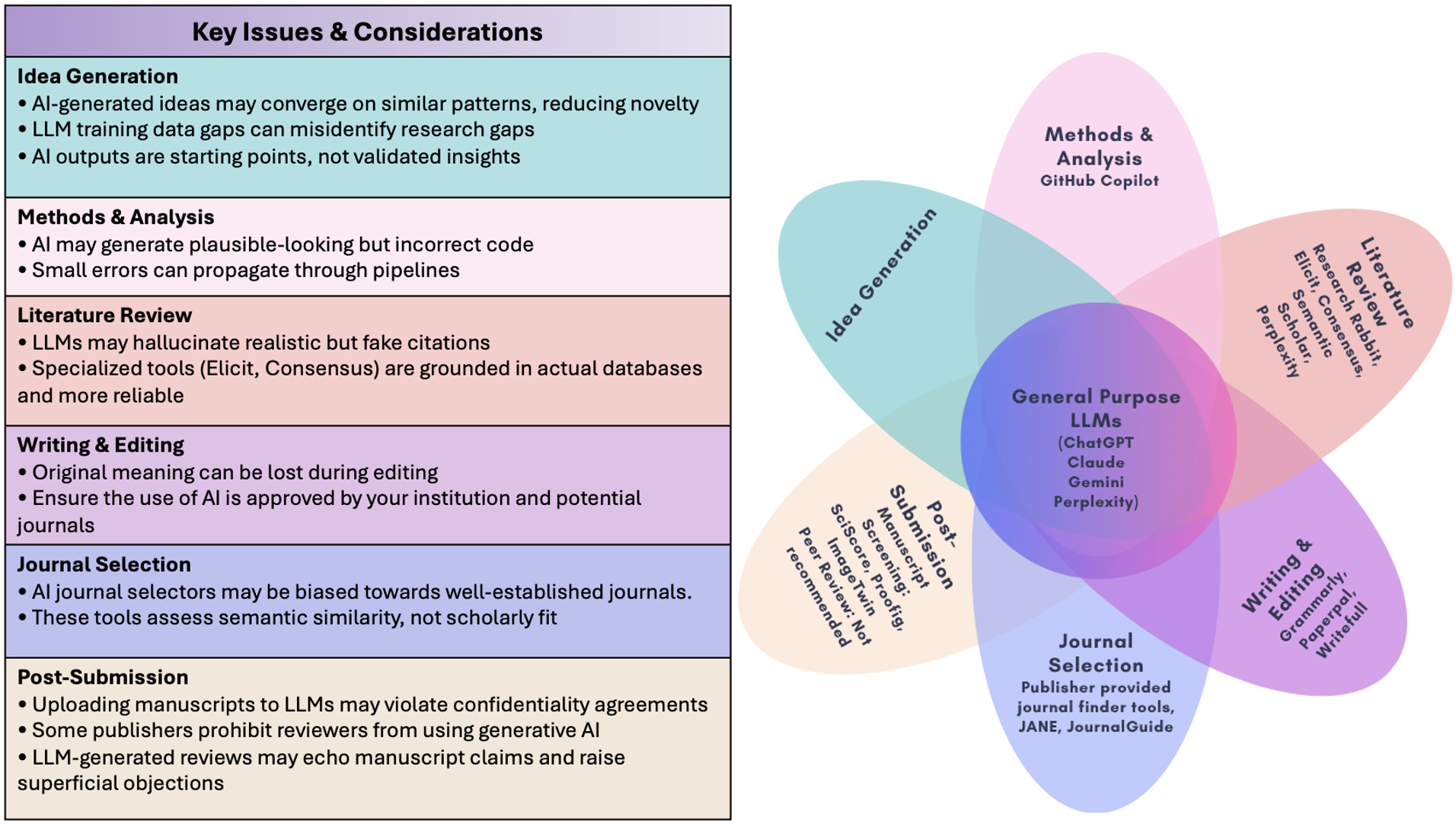
Agentic Marketing: A Practical Guide to AI Agents in Marketing - Why Agentic Marketing Matters Now.
Three forces are converging to make agentic marketing practical rather than theoretical:
- LLMs can now execute multi-step tasks. Agents can browse, compare, draft, and revise without a human copy-pasting between tools.
- Marketing stacks have matured. CRMs, CDPs, CMS platforms, and analytics tools expose APIs that agents can call directly.
- Content demand has outpaced team capacity. Search and AI discovery reward consistent, useful publishing—something manual editorial calendars struggle to sustain.
McKinsey's analysis of reinventing marketing workflows with agentic AI emphasizes that the starting point is not buying a tool. It is mapping your marketing activities into a taxonomy, then defining which agent archetypes should own each activity.
Where Agentic Marketing Creates the Biggest Impact
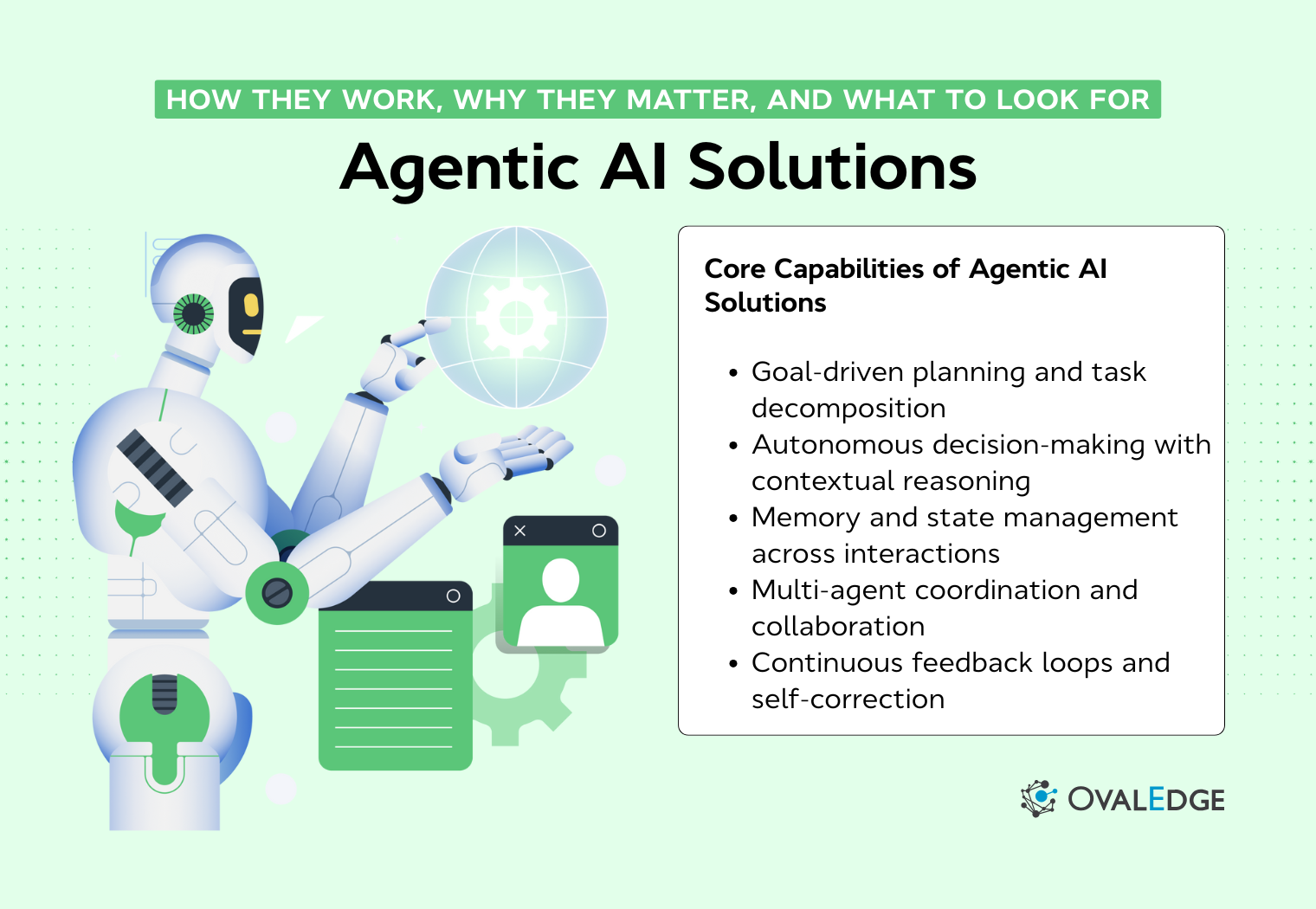
Agentic Marketing: A Practical Guide to AI Agents in Marketing - Where Agentic Marketing Creates the Biggest Impact.
Not every marketing task benefits equally from agentic approaches. The highest-ROI entry points share common traits: they are repetitive, rule-heavy, data-rich, and currently consume senior team time.
1. Content Research and Production
Content remains one of the largest manual bottlenecks in marketing. Teams spend hours on topic selection, SERP analysis, drafting, and optimization. An agentic content system can:
- Learn your product from your website and existing materials
- Map your market and identify content gaps competitors are exploiting
- Research top-ranking pages and incorporate what actually satisfies search intent
- Draft in your brand voice and publish on a consistent schedule
This is exactly the problem AgentBooks addresses. As an autonomous content growth platform, AgentBooks turns a website into an always-on content engine. You share your site once; the platform learns your product, plans topics, researches organic results, and continuously publishes useful content in your brand voice. It removes the manual draft bottleneck while preserving brand context—a common failure point when teams rely on generic AI writers.
2. Campaign Orchestration and Personalization
Agentic systems can monitor campaign performance and adjust targeting, creative variants, and send timing without a human rebuilding segments. Deloitte's research highlights real-time personalization as a core agentic benefit: agents can coordinate data, content, and channel decisions faster than any human team.
3. SEO and Search Visibility
Search is no longer just about Google rankings. AI assistants like ChatGPT, Gemini, and Perplexity now answer user questions directly, pulling from content across the web. Agentic marketing extends to monitoring how your brand appears in these AI-generated answers. Tools like the Surfer AI Tracker monitor brand mentions in ChatGPT, Gemini, Perplexity, and AI Overviews—closing the loop between publishing and AI visibility.
4. Lead Routing and Follow-Up
When content generates leads, agentic workflows can qualify, score, and route them automatically. A CRM-connected system turns blog traffic into tracked, synced leads without manual spreadsheet exports. For teams evaluating this path, the QuickCreator CRM guide explains how content and conversion tracking connect—and how autonomous platforms compare.
How to Build an Agentic Marketing Workflow
Agentic Marketing: A Practical Guide to AI Agents in Marketing - How to Build an Agentic Marketing Workflow.
McKinsey's framework offers a practical sequence. Salesforce's agentic marketing guide reinforces the same principle: start with process clarity, not tool shopping.
Step 1: Create a Detailed Taxonomy of Marketing Activities
List every recurring marketing task: keyword research, content briefing, drafting, editing, publishing, social distribution, email sends, lead scoring, reporting. Group them by function and frequency.
Step 2: Define Agent Archetypes
For each activity cluster, define what an agent should do. Examples:
- Research agent: scans SERPs, competitor content, and customer questions
- Content agent: drafts articles, product pages, and FAQs in brand voice
- Optimization agent: checks on-page SEO, internal links, and readability
- Distribution agent: schedules social posts and email sends
- Monitoring agent: tracks rankings, AI mentions, and lead flow
Step 3: Choose Your Autonomy Level
Agentic does not mean unsupervised. Most teams should start with an approval-first workflow: agents prepare work, humans review and approve. Over time, trusted workflows can shift to autopilot.
AgentBooks supports both modes. The approval-first workflow lets teams review every piece before publishing. The autopilot mode lets the platform publish continuously once you trust the output. This graduated approach reduces risk while building confidence.
Step 4: Connect Data Sources
Agents need context. Connect your website, CRM, analytics, and any existing content library. The richer the context, the more brand-consistent the output.
Step 5: Measure and Iterate
Track organic traffic, publishing velocity, lead conversion, and AI visibility. Adjust agent instructions based on what performs.
Agentic Marketing vs. Traditional Marketing Automation
| Dimension | Traditional Automation | Agentic Marketing |
|---|---|---|
| Decision logic | Fixed rules and triggers | Goal-driven reasoning and adaptation |
| Task scope | Single-step actions | Multi-step workflows with branching |
| Human role | Operate and monitor every tool | Set goals, review exceptions, refine strategy |
| Content output | Template-based | Context-aware, brand-consistent, research-backed |
| Adaptation | Requires manual reconfiguration | Learns from results and adjusts |
Traditional automation still has a place for transactional tasks. Agentic marketing takes over where judgment, research, and adaptation are required—like content strategy and publishing.
Common Pitfalls to Avoid
Starting with tool selection. Teams that buy an agentic platform before mapping their workflows end up with expensive shelfware. Map activities first.
Skipping brand context. Generic AI output damages trust. An agentic content system must learn your product, voice, and market positioning before publishing anything. AgentBooks addresses this through brand intelligence that extracts product knowledge from your website—so the content sounds like you, not like a generic AI.
Going full autopilot on day one. Even confident teams benefit from an approval-first phase. Review output, correct drift, then expand autonomy.
Ignoring AI search visibility. Traditional rank tracking misses how ChatGPT and Gemini answer questions about your category. Pair publishing with AI visibility monitoring to understand the full search landscape.
Choosing the Right Agentic Marketing Tools
Your tool choice depends on where your bottleneck is:
- Content publishing stall? Look for an autonomous content platform like AgentBooks that handles topic planning, research, drafting, and publishing end to end.
- Workflow automation across tools? General agent orchestration platforms may fit, but expect more setup time.
- AI search visibility? Dedicated trackers like Surfer AI Tracker fill a specific gap.
- WordPress SEO workflows? If you manage a WordPress site manually, the Yoast SEO setup guide covers configuration fundamentals—though agentic platforms can automate much of this.
For teams comparing AI content tools, the Autoblogging AI alternatives guide offers a practical comparison of nine tools on content quality, pricing, and publishing automation.
Getting Started with Agentic Content Marketing
Content is the most accessible entry point for agentic marketing because the workflow is well-defined and the payoff is measurable. Here is a practical starting sequence:
- Audit your current content output. How many pieces do you publish monthly? Where do drafts stall?
- Define your content model. What topics matter? What questions does your audience ask? What formats perform?
- Choose an autonomy level. Start with approval-first, then graduate to autopilot for trusted content types.
- Connect your brand context. Make sure the system learns from your website, not just generic training data.
- Measure organic traffic and AI visibility. Track both traditional rankings and AI assistant mentions.
AgentBooks' free Starter tier includes brand research, keyword planning, and a hosted content site—enough to test the agentic approach without upfront cost. Pro ($29/mo) adds advanced SEO optimization and multilingual publishing. Team ($99/mo) supports multiple workspaces and priority support.
Related reading
- ContentBot.ai Tutorial: Automate Content Workflows Step by Step - Learn how to use ContentBot.ai in this practical tutorial: setup, AI workflows, keyword research, long-form content, and automation tips.
Frequently Asked Questions
What is the difference between agentic AI and generative AI in marketing?
Generative AI creates content when prompted. Agentic AI plans, decides, and acts across multiple steps to achieve a goal. A generative tool writes a blog post when you ask. An agentic system identifies the topic, researches competitors, drafts the post, optimizes it, publishes it, and monitors performance—with you reviewing or approving at defined checkpoints.
Do I need to replace my marketing team with agents?
No. Agentic marketing shifts human effort from repetitive execution to strategy, review, and creative direction. Deloitte's research emphasizes pairing agentic AI with human judgment: agents handle routine work, humans focus on vision and complex decisions.
How much does agentic marketing cost?
Cost varies widely. Entry-level agentic content platforms start free or under $30/month. Enterprise agent orchestration platforms cost significantly more. Start with a focused use case and expand based on measured ROI.
Can agentic marketing work for small teams?
Yes. Small teams often benefit most because they lack the headcount to sustain consistent publishing. An autonomous content platform can give a two-person team the output of a five-person content operation without hiring.
How do I maintain brand voice with AI agents?
Choose systems that learn from your existing content and website. Review early output closely, correct drift, and let the system internalize your preferences. Approval-first workflows prevent off-brand publishing during the learning phase.
Does agentic content marketing help with AI search visibility?
Yes, but indirectly. Consistent, useful publishing increases the likelihood that AI assistants cite your content. Pair publishing with AI visibility monitoring to track how often your brand appears in ChatGPT, Gemini, and Perplexity answers.
Conclusion
Agentic marketing is not a future concept—it is a practical response to a persistent problem: marketing teams cannot manually sustain the content velocity and personalization that modern search and AI discovery demand. By mapping workflows, defining agent roles, and starting with high-ROI use cases like content production, teams can remove bottlenecks without sacrificing brand control.
The key is to start deliberately. Choose one workflow, set clear autonomy boundaries, connect real brand context, and measure results. Whether you use an autonomous content platform like AgentBooks or build a custom agent stack, the principle is the same: let agents handle the repetitive, data-heavy work so humans can focus on strategy, creativity, and growth.