Enterprise Content Governance: A Practical Framework for Controlled Content at Scale
Enterprise content governance is the control layer that keeps digital content accurate, consistent, and compliant as organizations scale. It defines who can create, edit, approve, and publish content, what standards every piece must meet, and how content moves through its lifecycle from idea to archive. Without it, regional sites drift from brand guidelines, the same product gets described three different ways, outdated pages stay live for months, and compliance risk grows quietly in the background.
This guide breaks down what enterprise content governance actually involves, how it differs from content management and content strategy, the models you can adopt, and how to build a framework that works when generative AI is producing more content than any human review team can keep up with.
What Is Enterprise Content Governance?
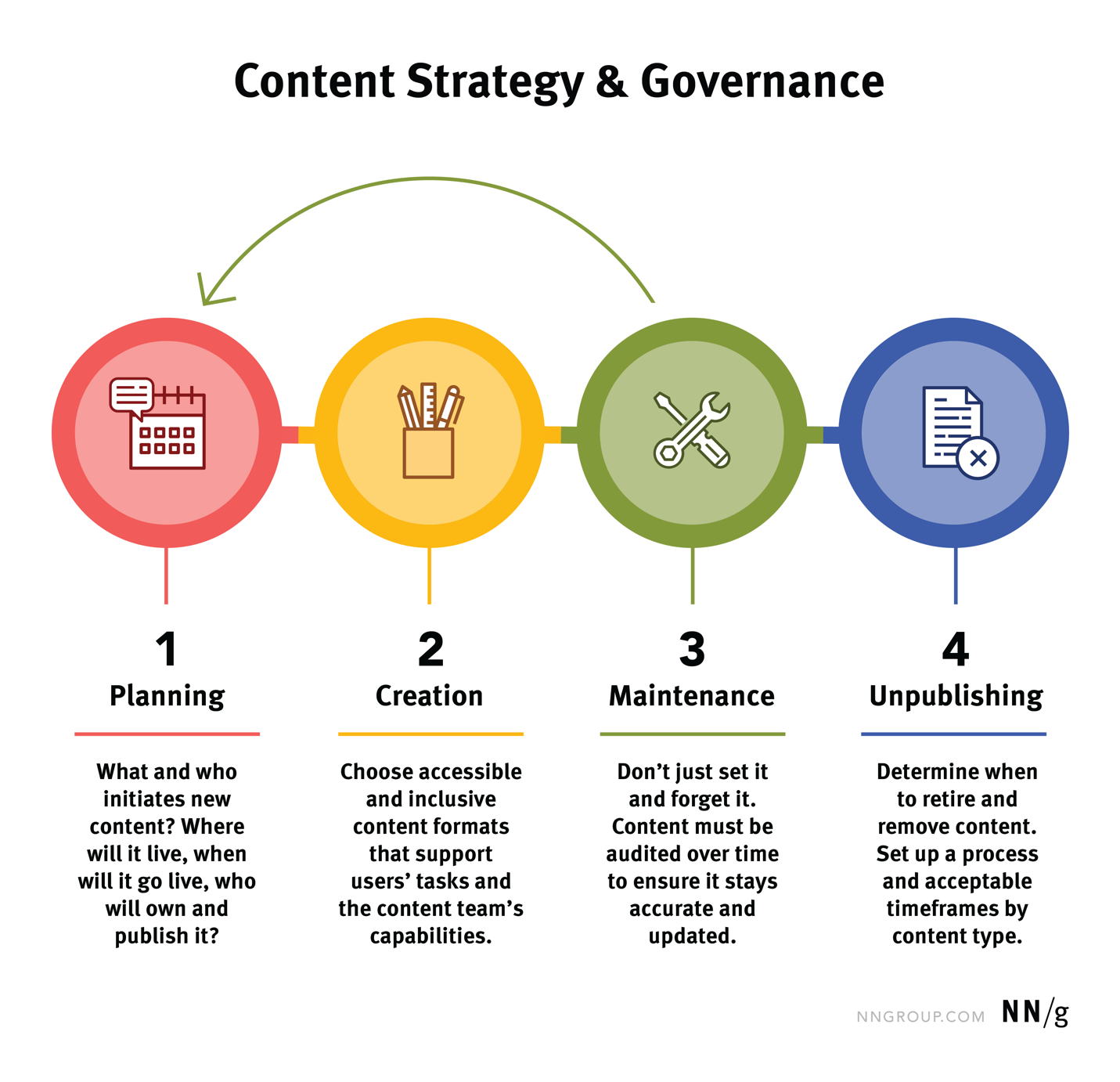
Enterprise Content Governance: Framework, Models & AI - What Is Enterprise Content Governance?.
Content governance is the strategic framework of policies, processes, and standards that organizations use to manage digital content throughout its entire lifecycle. It answers questions that every growing organization eventually faces:
- Who has authority to publish customer-facing materials?
- How do we keep brand voice consistent across hundreds or thousands of pages?
- How do we stay compliant with regulations while still moving quickly?
- What happens to content after it goes live?
An editorial calendar tells you what publishes and when. A content governance model goes further. It tells you who owns each approval, what quality and compliance standards content must meet before it ships, how content moves through review, and what happens after launch, from updates to archiving.
When no one owns these decisions, content volume grows faster than anyone can check it. The result is what practitioners often call content chaos: fragmented messaging, duplicate assets, siloed teams, and buyer confusion.
Content Governance vs. Content Management vs. Content Strategy
These three disciplines are frequently treated as the same thing, but they serve distinct functions:
| Discipline | Main Goal | Example |
|---|---|---|
| Content strategy | Decide which topics to prioritize, and why | A financial services firm prioritizes mortgage guides because regulated products carry the longest, most compliance-heavy buying cycles |
| Content management | Store and deliver content efficiently | The same product description is stored once in the CMS and pushed to the website, app, and email through templates |
| Content governance | Control who can change what, when, and why | A regional marketing manager cannot publish a campaign page until legal clears the compliance claim and brand signs off on the messaging |
Strategy sets direction. Content management is the tooling. Content governance is the oversight that connects the two, so the strategy actually shows up in what gets published.
Why Content Governance Matters for Enterprises
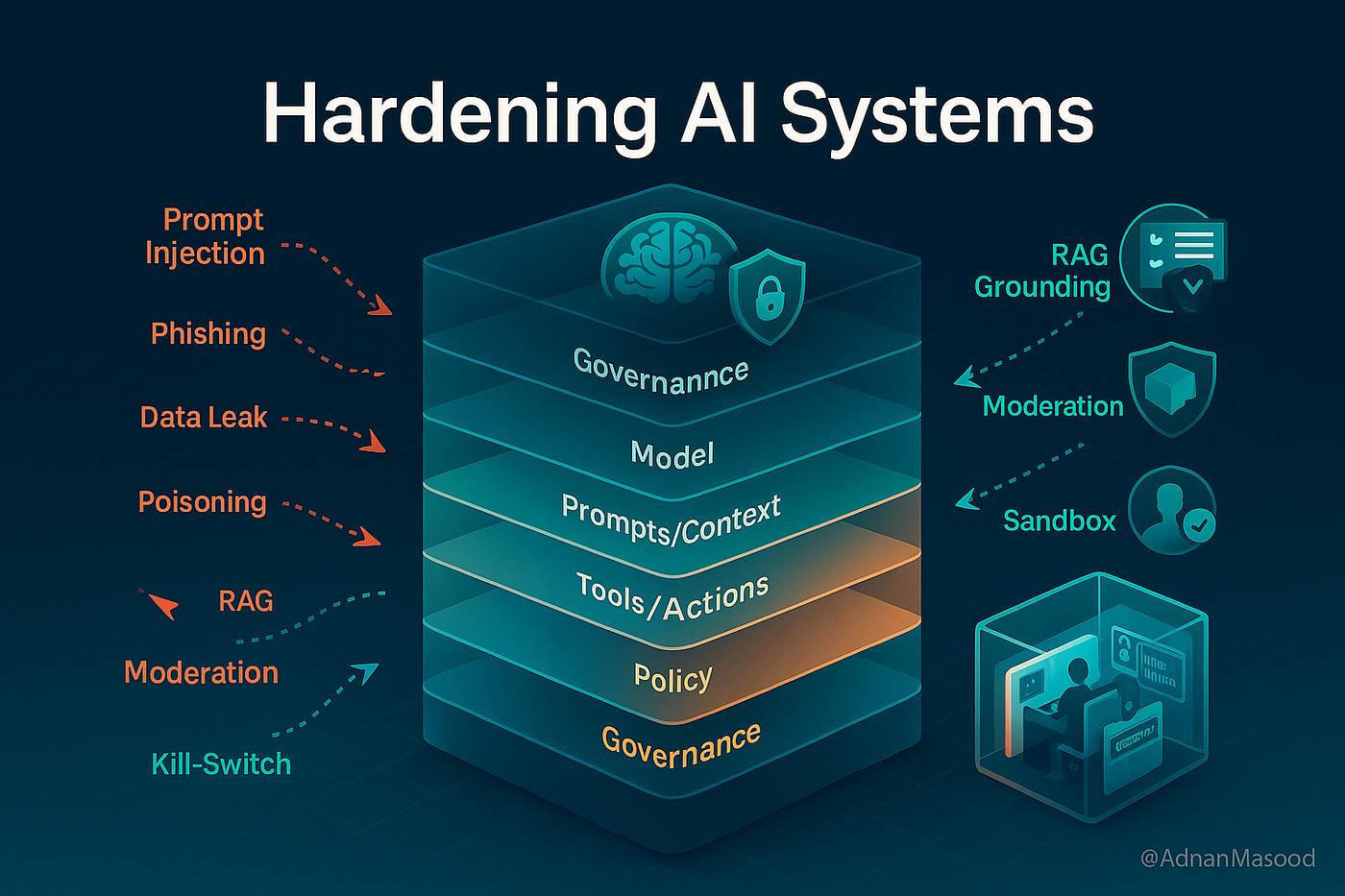
Enterprise Content Governance: Framework, Models & AI - Why Content Governance Matters for Enterprises.
A well-designed governance framework pays off in fewer errors, faster approvals, and content that stays on-brand as it scales. The benefits fall into four main categories.
1. Brand Protection and Consistency
Without governance, different teams create content in isolation. Marketing writes one product description, support writes another, and a regional office publishes a third. Customers encounter contradictory information across channels, which undermines brand equity and trust.
Governance establishes the guardrails, including style guides, editorial guidelines, and approved terminology, that ensure every piece of content reinforces the same messaging. At global scale, one governed content source is what holds brand consistency together. When every market pulls from the same source instead of its own copies, the same claim reads the same way everywhere.
2. Risk Mitigation and Compliance
Regulatory requirements continue to expand. Organizations face legal obligations around accessibility, data privacy, industry-specific regulations, and intellectual property rights. In regulated industries like finance, insurance, and telecommunications, a published claim or a missing disclosure is a regulatory problem, not just a brand one.
A governance framework reduces that exposure through:
- Data privacy and consent rules applied before publication
- Accessibility checks built into the review step, such as WCAG requirements
- Region-specific rules for localized content, since what passes in one market can breach another
- Audit trails that record who changed what, when, and why, including approval context
- AI content obligations, including emerging rules on disclosing AI-generated content
3. Operational Efficiency
Teams waste significant time searching for approved assets, recreating content that already exists, or navigating unclear approval processes. Duplicative efforts, version control problems, and workflow confusion drain productivity.
Governance eliminates these inefficiencies by clarifying responsibilities, streamlining approvals, and providing centralized access to approved content assets. A named role owns each approval type, so content routes to the one person whose job it is to clear that specific claim. Routing matches the risk, so only regulated claims go to legal, and everything else clears faster without an unnecessary check.
4. Content Quality and Customer Experience
Outdated information, broken links, and low-quality content directly impact customer satisfaction and conversion rates. Without governance, no one takes responsibility for keeping content up-to-date or maintaining quality after publication.
Governance ensures ongoing content quality through regular audits, performance monitoring, and clear ownership. Quality standards and editorial guidelines define what good looks like: format, grammar, tone, and accuracy. Review and approval steps enforce those standards before publication.
Common Content Governance Models
Enterprise Content Governance: Framework, Models & AI - Common Content Governance Models.
Organizations implement content governance using different models depending on their structure, culture, and content complexity. Most successful implementations start with whichever model best fits current capabilities, then evolve based on results.
Centralized Governance
A dedicated content team or content governance board concentrates decision-making authority. This model ensures consistency and strong brand control but can create bottlenecks if not properly resourced.
Best for: Organizations prioritizing brand consistency and regulatory compliance over content velocity.
Decentralized Governance
Individual teams or business units create and publish content independently within broad guidelines. This model maximizes agility and responsiveness but risks inconsistency without clear standards and regular audits.
Best for: Organizations where speed and local relevance outweigh centralized control.
Hybrid Governance
A central team establishes the governance plan, style guides, and approval thresholds while empowering distributed teams to create content within those guardrails. This balanced approach often proves most practical for large enterprises managing diverse content needs.
Best for: Large enterprises that need both consistency and scale.
Core Components of a Content Governance Framework
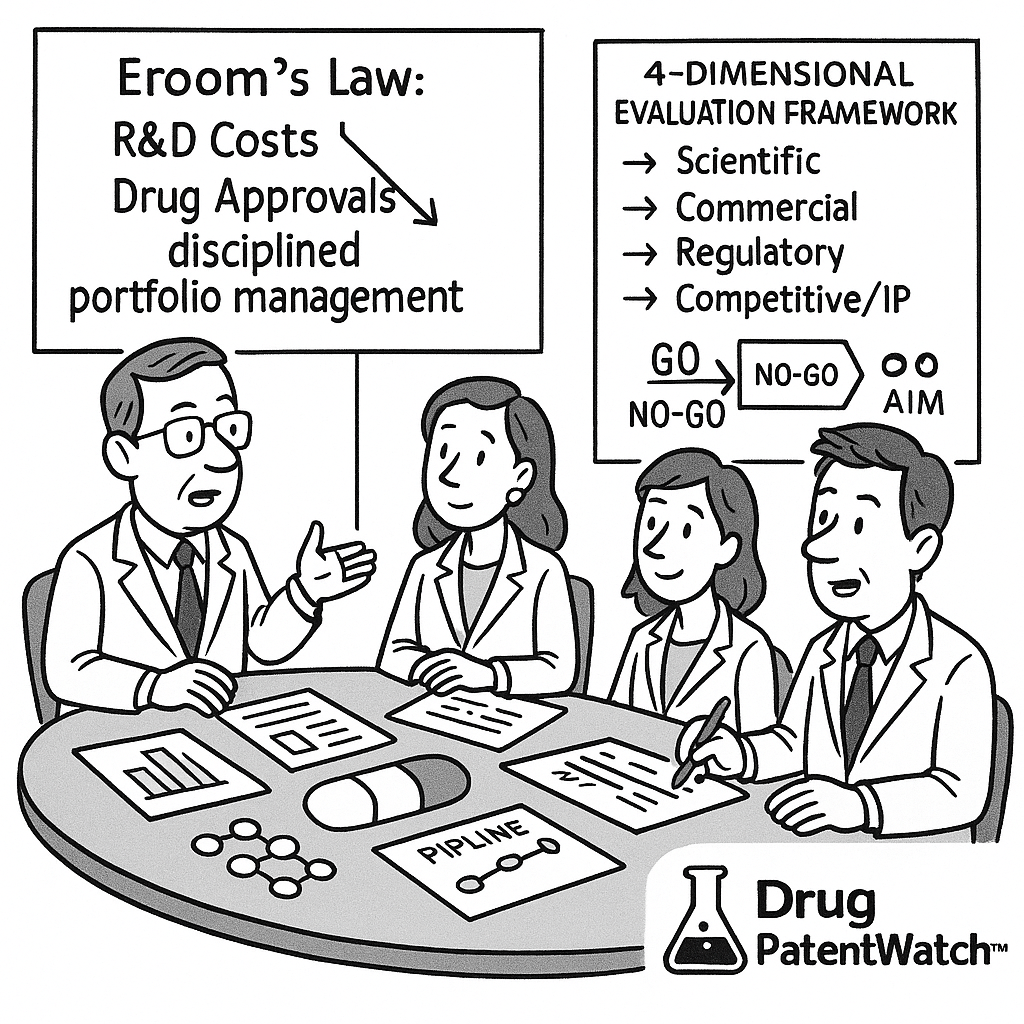
Enterprise Content Governance: Framework, Models & AI - Core Components of a Content Governance Framework.
A complete framework has four pillars. Missing any one of them creates a weak point that will eventually show up in published content.
1. People and Roles
Define who owns what across marketing, IT, legal, and support. Name the creators, approvers, and the escalation path. Most bottlenecks come from unclear ownership, not from too many rules. A policy that lives in one person's head is not governance.
2. Policies and Standards
Document the rules content must meet: brand guidelines, editorial guidelines, legal requirements, and localization standards. These policies should be practical and accessible, not buried in a long PDF that writers ignore. The most effective standards are embedded in the tools people already use.
3. Processes and Workflows
Map the content lifecycle from idea to publication, localization, optimization, and archive, with approval steps where risk is highest. Add measurement here too. Governance needs its own metrics, including review turnaround, content freshness, and compliance coverage, plus regular content audits to stay useful.
4. Platforms and Technology
Use a CMS or digital experience platform to enforce rules automatically. Permissions, approval routing, and localization triggers scale in a way that manual checks cannot. In a well-governed system, roles and responsibilities are not just documented in a PDF; they are hard-coded into the platform through role-based access control, structured workflows, and audit trails.
Content Governance in the Age of AI
Generative AI has changed the governance equation. The old friction was how much content a team could produce. With AI, the risk shifts from volume to control: unreviewed AI output can ship with hallucinated facts, off-brand tone, or non-compliant claims faster than any manual review keeps up.
The principle is garbage in, garbage out. AI output is only as reliable as the prompts and data behind it, which is why prompt governance matters. Standardize the prompts and approved data sources a tool draws on, and outputs stay consistent by design instead of being corrected one draft at a time. Governing the inputs beats policing the outputs.
This shift has practical implications for content operations. An autonomous content platform like AgentBooks addresses part of this challenge by learning your product, brand voice, and market before generating content, then routing drafts through an approval-first workflow or autopilot mode. The approval-first option keeps a human in the loop for regulated claims and sensitive messaging, while autopilot handles high-volume, low-risk content. The key governance principle remains the same: brand context and approved sources must be captured before generation begins, not retrofitted after content ships.
For a deeper look at how AI content engines handle these workflows, see this AgentBooks review and the comparison of AgentBooks vs Machined vs Copy.ai.
AI can also assist oversight by flagging off-brand language before a human reviewer sees the draft. The goal is not to replace governance with automation, but to make governance enforceable at the speed AI now produces content.
Governance Beyond the Website
Content governance now has to cover more than pages. Content is also the script a chatbot follows, the answer a live-chat agent gives, and what a customer hears on a call. When those touchpoints fall outside governance, a customer can read one thing on the website and hear the opposite from an agent thirty seconds later.
The hard part is data visibility. When a customer moves from digital self-service to a human agent, the message often breaks because the website's content and the agent's information live in separate systems with no shared context. Bringing content and support into one governed system closes that gap. When the CMS and the contact center draw from the same source, agents always work from current, approved information.
How to Implement a Scalable Content Governance Model
Building a governance framework is not a one-time project. It is an operating model that evolves as the organization does. A practical implementation path looks like this:
Step 1: Audit and Align
Map existing content silos across every region and tie them to business objectives. You cannot govern what you cannot see. Identify where duplicate content lives, which pages are outdated, and which teams are publishing without oversight.
Step 2: Define the Architecture
Choose a CMS approach that matches your governance needs. Traditional monolithic systems offer strong editorial control but weak omnichannel delivery. Pure headless systems offer flexible delivery but can push marketers toward workarounds and shadow IT that undermine governance. Hybrid headless keeps visual control for editors while still delivering to any channel through APIs.
Step 3: Automate Workflows
Configure permission tiers, approval routing, and localization triggers in the platform. Rules the system enforces do not depend on anyone remembering them. This is where governance stops being a document and becomes infrastructure.
Step 4: Train and Iterate
Train the people who use the system, then set up a feedback loop. The model has to evolve as the organization does. Governance frameworks that stay static become obstacles instead of enablers.
Why Traditional Governance Approaches Fall Short
Many organizations already have some form of content governance, but traditional approaches were not designed for today's content volume. They tend to fail in predictable ways:
- Brand guidelines and style guides are often long PDFs that are too easy to forget and difficult to browse. Writers ignore them in the act of writing.
- Training has a limited, fast-decaying impact. Good habits slip over time, and refresher courses are expensive.
- Manual editing is impossible to scale. Editors touch a small fraction of total content, and each editor has their own style, so assets read differently.
- Approval workflows depend on human reviewers and approvers, which brings back the cost and scale problem.
Enterprise content governance emerged as a discipline in response to these limitations. It is a systematic approach to capturing and digitizing your content strategy, measuring your current content status, actively guiding content creation to achieve stated goals, and improving overall performance over time. In other words, enterprise content governance operationalizes content strategy.
The best governance frameworks create coaches, not cops. A collaborative center-of-excellence mindset is far more effective than a command-and-control one. When people understand that governance helps them publish faster and with less rework, they adopt it willingly.
Related reading
- Autoblogging AI Free: 7 Tools & Workflows That Actually Work - Compare free autoblogging AI tools, DIY workflows, and paid upgrades. Learn what free plans really include, where they fall short, and how to avoid thin content.
- Multi-Provider AI: Gateways, Architecture & 2026 Guide - Learn how multi-provider AI gateways unify routing, failover, governance, and cost control across OpenAI, Anthropic, Bedrock, and Vertex AI in 2026.
Sources and further reading
- What is content governance? Benefits & models for enterprises - Understand how enterprise content governance turns content chaos into controlled workflows, aligning teams and driving operational excellence at scale.
- What is Content Governance for Enterprises? | Acrolinx - Learn how to maximize your content efforts at scale through enterprise content governance with Acrolinx.
- Discover how global enterprises scale content governance, ensure compliance, and govern AI safely. Learn to build a framework that drives conversions. - Content governance is the system of roles, standards, and workflows that organizations use to control how content gets created, approved, published, and maintained across its entire lifecycle. It keeps content accurate, consistent with brand guidelines, and compliant with legal requirements, even when teams, channels, and markets grow.
Frequently Asked Questions
What is the difference between content governance and content management?
Content management refers to the operational and technical systems used to create, store, organize, and deliver content. It answers questions like "Where do we store this?" and "How do we publish it?" Content governance provides the strategic framework that guides those activities. It establishes who makes decisions, what standards must be met, and how content aligns with organizational objectives.
Who should own content governance in an enterprise?
Ownership typically sits with a content governance board or a dedicated content operations team that includes representatives from marketing, legal, IT, and key business units. The exact structure depends on the governance model you choose, but clear named ownership for each approval type is essential. Most bottlenecks come from unclear ownership, not from too many rules.
How does AI change content governance?
AI shifts the risk from volume to control. Unreviewed AI output can ship with hallucinated facts, off-brand tone, or non-compliant claims faster than manual review keeps up. Governance must move upstream: standardize prompts, restrict approved data sources, and build brand context into the generation workflow itself. Approval-first workflows and automated brand checks become essential controls.
What metrics should a content governance program track?
Governance needs its own metrics, separate from content performance metrics. Track review turnaround time, compliance coverage, content freshness, duplicate asset counts, and the percentage of content that passes review without rework. Regular content audits keep the framework useful over time.
How do you govern content across multiple regions and languages?
Use a hybrid governance model with centralized standards and decentralized execution. A central team defines brand guidelines, approval thresholds, and localization rules, while regional teams create content within those guardrails. One governed content repository that every market pulls from prevents the drift that happens when regions maintain their own copies.
Conclusion
Enterprise content governance is what turns content volume into consistency. It is the control layer that keeps content accurate, compliant, and on-brand as teams, channels, and markets grow. Without it, regional sites drift, messaging fragments, and compliance risk compounds.
A practical framework combines four elements: named roles with clear ownership, documented policies that are actually usable, workflows with approval steps matched to risk, and platforms that enforce rules automatically. The rise of generative AI makes governance more important, not less. The organizations that thrive will be the ones that govern AI inputs as carefully as they govern human-authored outputs, building brand context and approval controls into the content engine itself rather than trying to police every draft after the fact.
Start with an audit of your current content landscape, define the architecture that fits your organization, automate the workflows that matter most, and treat the framework as a living system that evolves with your business. The goal is not more rules. It is fewer errors, faster approvals, and content that earns trust at scale.