Rank Tracking in 2026: How to Monitor Search Visibility That Actually Matters
Rank tracking used to be simple: type a keyword into a tool, see a number from 1 to 100, and call it a day. That number still matters, but it no longer tells the whole story. A page can hold position three for a high-volume query while clicks quietly disappear into an AI Overview, a featured snippet, or a local pack that never sends traffic to your site.
Modern rank tracking means monitoring where your pages appear across Google, Bing, and AI answer engines, understanding which SERP features surround your result, and connecting position changes to actual business outcomes. This guide covers how rank tracking has evolved, what to measure, how to choose a tracker, and how to build a practical weekly workflow.
What Rank Tracking Actually Measures in 2026
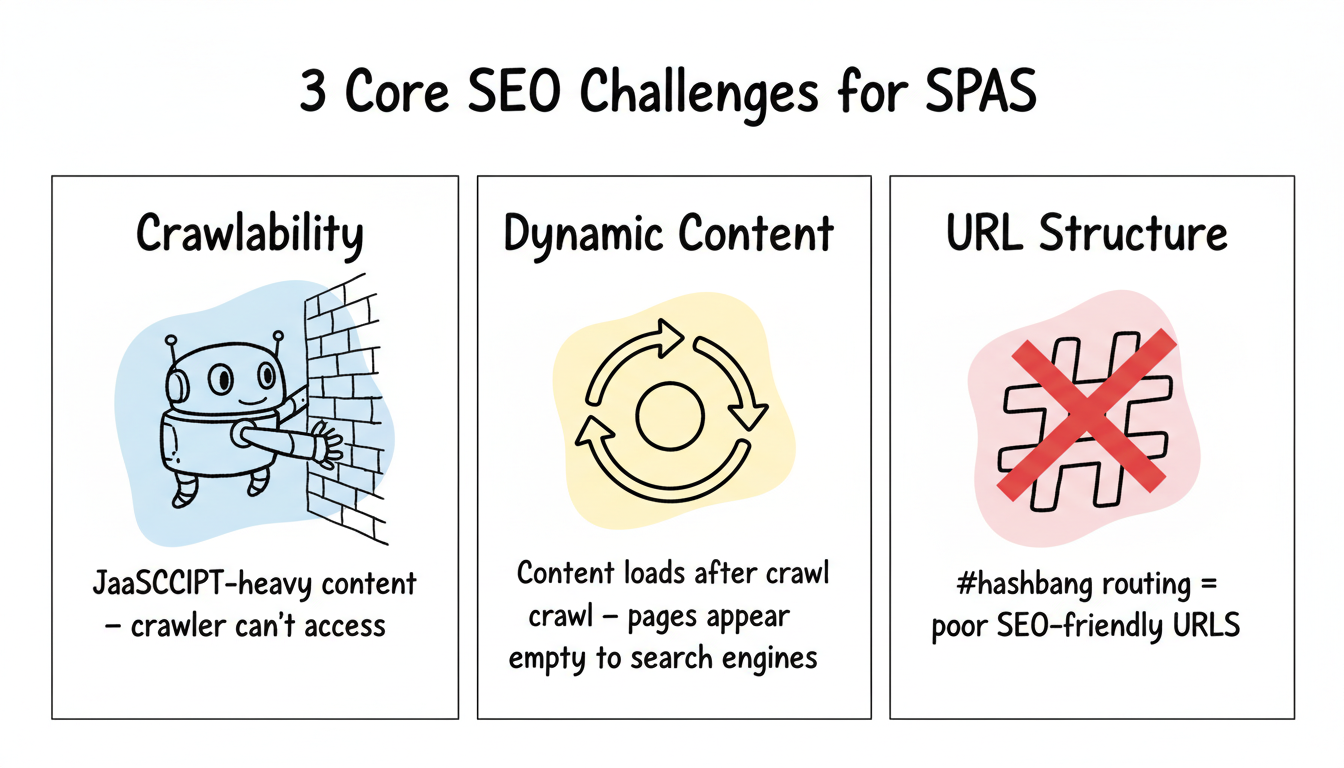
Rank Tracking in 2026: Tools, Metrics & Workflow - What Rank Tracking Actually Measures in 2026.
Rank tracking software monitors where your web pages appear in search results for specific keywords. It records position changes over time, flags when competitors overtake you, and increasingly shows how your brand appears across traditional search engines and AI-powered answer engines.
A reliable tracker answers three questions that no other SEO tool can:
- Where do your pages actually appear across devices, locations, and search types?
- When does a competitor take your position or a SERP feature replace your blue link?
- Why does traffic drop even when your rankings hold steady?
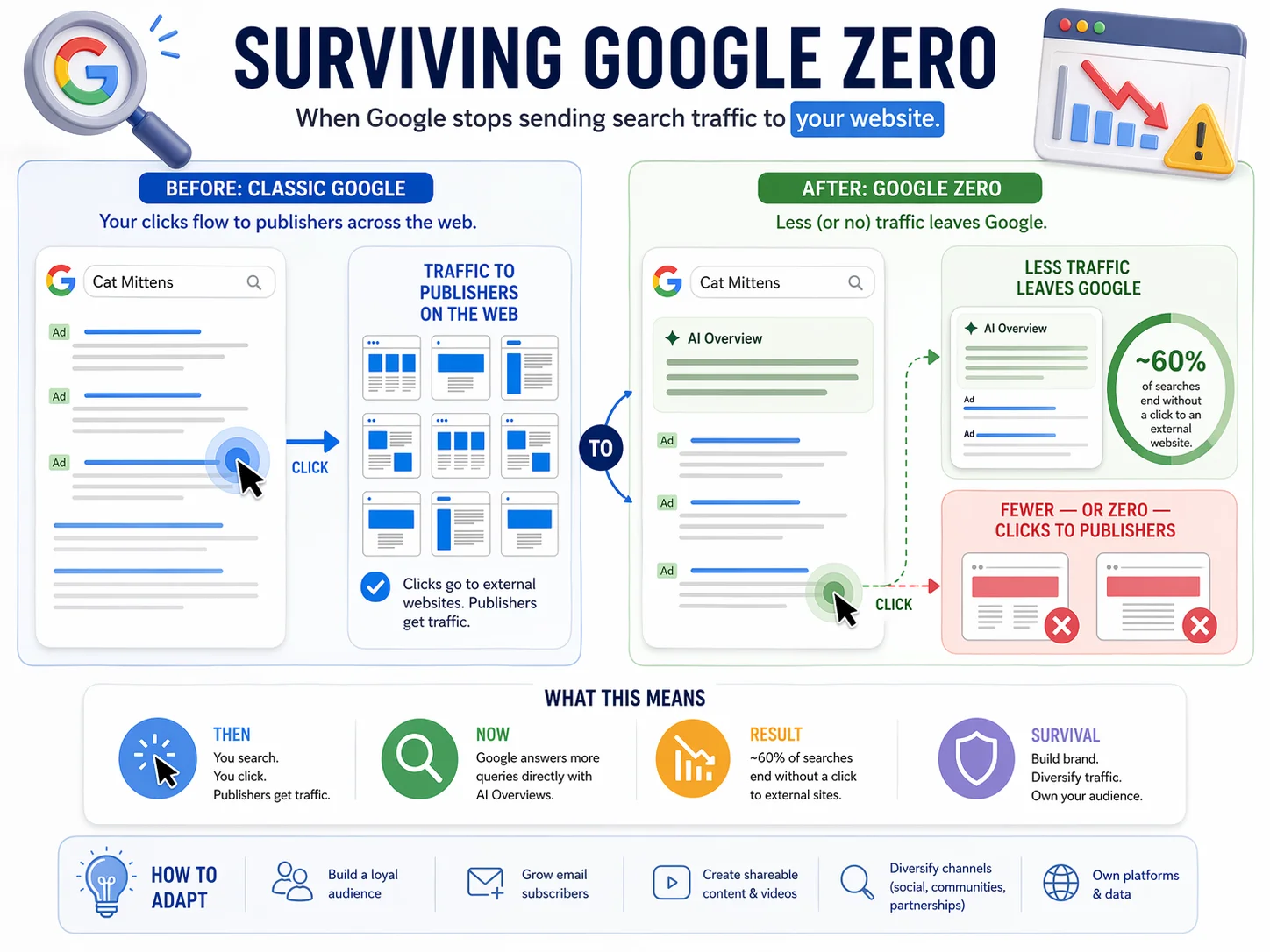
The last question has become the most important. AI Overviews, ChatGPT, and Gemini can answer a query before a user ever clicks a result. Your rank may not move, but your visibility collapses. Tools that only report blue-link positions miss this entirely.
Why Traditional Position Numbers Are No Longer Enough
Rank Tracking in 2026: Tools, Metrics & Workflow - Why Traditional Position Numbers Are No Longer Enough.
Search results pages have changed more in the past three years than in the previous decade. A single query can now return featured snippets, local map packs, video carousels, People Also Ask boxes, shopping results, and AI-generated summaries before the first organic link appears.
Each of these elements competes for the same attention. A page in position one may receive a fraction of the clicks it would have earned five years ago if an AI Overview answers the question directly above it.
Effective rank tracking now requires:
- SERP feature detection so you know which elements appear for your target keywords
- AI search visibility tracking across ChatGPT, Gemini, Perplexity, and AI Overviews
- Device and location segmentation because mobile rankings differ from desktop, and local results vary by ZIP code
- Share of voice measurement that accounts for all the ways a brand can appear on a page, not just organic position
Key Metrics to Track Beyond Position
Rank Tracking in 2026: Tools, Metrics & Workflow - Key Metrics to Track Beyond Position.
Position is still the foundation, but it should be paired with metrics that explain what the position is worth.
Visibility Score
Visibility measures how prominently your site appears across a set of tracked keywords, weighted by search volume and position. A visibility score of 35% means your pages capture roughly 35% of the available clicks for your tracked queries. This metric smooths out the noise of individual keyword movements and gives a clearer picture of overall search presence.
Share of Voice
Share of voice compares your visibility against competitors for the same keyword set. If three competitors each hold 25% share of voice and you hold 10%, you can see exactly how much ground you need to gain. This is especially useful for agencies reporting to clients who want to understand competitive position, not just raw rankings.
SERP Feature Occupancy
Track which SERP features your pages occupy: featured snippets, local packs, image carousels, video results, People Also Ask, and AI Overview citations. Occupying a featured snippet can drive more clicks than ranking first in the organic results below it. Losing a snippet position can explain a traffic drop even when your blue-link rank stays the same.
AI Search Visibility
AI answer engines cite sources differently than traditional search. A page that ranks well on Google may never appear in ChatGPT or Gemini responses. Tracking which of your pages get cited, for which queries, and how often gives you a new dimension of visibility that most competitors are not yet measuring.
How to Choose a Rank Tracking Tool
Rank Tracking in 2026: Tools, Metrics & Workflow - How to Choose a Rank Tracking Tool.
Dozens of rank trackers exist, and they serve different needs. The right choice depends on your scale, budget, and reporting requirements.
For Agencies Managing Multiple Clients
Agencies need tools that scale across many projects, support white-label or client-ready reporting, and integrate with Looker Studio, Google Sheets, and Slack. Tools like Semrush Position Tracking, SE Ranking, and Advanced Web Ranking are built for this workflow. Look for automated report scheduling, competitor tracking, and the ability to segment data by location and device.
For In-House Teams Focused on AI Visibility
If your traffic is being affected by AI Overviews or ChatGPT citations, prioritize a tracker with dedicated AI search monitoring. Several platforms now track AI Overview presence, ChatGPT citations, and Gemini visibility alongside traditional rankings. This data helps you understand why organic traffic may be declining even when positions hold.
For Small Businesses and Solo SEOs
Lighter tools like SERPWatcher, Wincher, and Google Search Console offer enough data for smaller sites without enterprise pricing. Google Search Console deserves special mention: it is free, uses first-party data directly from Google, and shows actual impressions, clicks, and average position. It should be part of every rank tracking stack regardless of what paid tool you choose.
For Local SEO
Local rankings vary dramatically by location. A business may rank first in one neighborhood and tenth in another. Local-focused trackers let you monitor positions at the ZIP code or city level and track Google Business Profile visibility alongside organic results. This precision matters for multi-location businesses and agencies serving local clients.
Building a Practical Rank Tracking Workflow
A rank tracker is only as useful as the workflow around it. Here is a weekly routine that turns raw data into action.
Step 1: Define Your Keyword Set
Start with 50 to 200 keywords that matter to your business. Include a mix of:
- High-intent terms that drive conversions
- Informational queries that build authority
- Branded terms to monitor reputation
- Competitor terms to track market shifts
Avoid tracking thousands of keywords just because you can. A focused set you review regularly beats a massive set you ignore.
Step 2: Set Up Competitor Tracking
Add two to four direct competitors to your tracker. Watch their visibility trends alongside your own. When a competitor gains share of voice, investigate what changed: new content, technical improvements, or link acquisition. This context turns ranking data into competitive intelligence.
Step 3: Configure Alerts
Set up notifications for significant position changes. A drop from position 3 to position 8 deserves attention. A move from 42 to 38 probably does not. Most trackers let you define thresholds so you only receive alerts that warrant action.
Step 4: Review Weekly, Act Monthly
Check your dashboard weekly to spot volatility early. Reserve deeper analysis for a monthly review where you:
- Identify pages that lost or gained significant visibility
- Compare mobile versus desktop performance
- Review AI search citations and SERP feature changes
- Update your keyword set based on new opportunities
Step 5: Connect Rankings to Content Decisions
Ranking data should inform your content strategy. Pages stuck on page two for high-value keywords may need deeper updates or better internal linking. Keywords where you rank well but lack supporting content may indicate opportunities for related articles. If you are using an SEO article generator to scale content production, rank tracking tells you which generated articles are performing and which need revision.
Rank Tracking and AI-Powered Content Operations
Rank tracking becomes especially valuable when paired with a content engine that can act on the data. A platform like AgentBooks can continuously publish search-optimized content, but the results only become visible through rank tracking. Monitoring keyword positions, SERP feature occupancy, and AI search visibility reveals which topics are gaining traction and which need adjustment.
For teams running automated content workflows, rank tracking serves as the feedback loop. When a new article enters the top ten for its target keyword, you know the topic selection and optimization worked. When content publishes but positions stay flat, the data suggests revisiting the keyword strategy or on-page optimization. This is the same principle behind autoblogging done right: automation scales production, but measurement determines whether the output actually earns visibility.
Common Rank Tracking Mistakes to Avoid
Tracking Too Many Keywords
More keywords means more noise. A focused set of 100 well-chosen keywords reviewed consistently outperforms 5,000 keywords reviewed never.
Ignoring Mobile Rankings
Google indexes mobile-first, and mobile rankings often differ from desktop. If your tracker only shows desktop positions, you are missing half the picture.
Treating Position as the Only Metric
Position without context is misleading. A page in position five that occupies a featured snippet may outperform a page in position one that sits below an AI Overview. Always pair position with visibility, clicks, and SERP feature data.
Reacting to Daily Volatility
Google rankings fluctuate constantly. Reacting to every daily change leads to unnecessary changes that can hurt more than help. Look for sustained trends over weeks, not single-day movements.
Neglecting AI Search
If you only track Google blue links, you are blind to a growing share of search behavior. AI Overviews, ChatGPT, and Gemini are capturing queries that used to end in clicks. Tracking AI visibility is no longer optional for sites that depend on organic traffic.
Related reading
- How to Use QuickCreator: A Practical Step-by-Step Guide - Learn how to use QuickCreator step by step: account setup, topic selection, AI drafting, SEO optimization, publishing, and common workflow mistakes to avoid.
- What Is a Content Editor? Role, Skills & Workflow - Learn what a content editor does, how content editing differs from copy editing and proofreading, the skills required, and when to hire or become one.
Sources and further reading
- Position Tracking: Keyword Rank Tracker Tool - Track daily Google rankings for mobile and desktop. Analyze SERP features (Featured snippet, local map pack, AMP etc). Create beautiful PDF reports.
- 15 Best Rank Tracking Software (Tested on Real Campaigns) - Over the years, we used a plethora of ranking tools for our clients. Now we’re revealing the 15 best rank tracking software we’re using for 2026.
- 14 best rank tracker software I’m using for SEO in 2026 - Throughout my SEO career, I've been on the lookout for the best rank tracker software. Here are some of my favorites I have used over the years.
FAQ
What is rank tracking?
Rank tracking is the process of monitoring where your web pages appear in search engine results for specific keywords. Modern rank tracking also covers SERP features, AI search visibility, local results, and competitor positions.
How often should I check keyword rankings?
Most sites benefit from a weekly dashboard review plus a deeper monthly analysis. Daily checks are useful during major algorithm updates or after significant site changes, but daily fluctuations rarely require action.
Can I track rankings for free?
Yes. Google Search Console provides free first-party ranking data including impressions, clicks, and average position. Several paid tools also offer free plans or trials with limited keyword capacity.
What is the difference between rank tracking and visibility tracking?
Rank tracking reports the position of a specific page for a specific keyword. Visibility tracking aggregates positions across many keywords, weighted by search volume, to show overall search presence as a percentage.
Do rank trackers monitor AI search results?
Increasingly, yes. Many modern trackers now monitor AI Overviews, ChatGPT citations, Gemini visibility, and Perplexity results alongside traditional Google and Bing rankings. This capability varies by tool, so verify AI tracking features before purchasing.
How many keywords should I track?
For most businesses, 50 to 200 keywords is a practical range. Agencies managing multiple clients may track more, but the key is choosing keywords that align with business goals and reviewing them consistently.
Conclusion
Rank tracking in 2026 is about more than watching numbers move up and down. It means understanding the full search ecosystem: blue links, featured snippets, local packs, AI Overviews, and answer engines that never show a traditional result at all.
The best approach combines a focused keyword set, competitor tracking, SERP feature monitoring, and AI visibility data into a weekly routine that connects rankings to action. Whether you use a full platform like Semrush, a lightweight tool like SERPWatcher, or free data from Google Search Console, the goal is the same: know where you appear, understand why it changes, and use that knowledge to make better content decisions.
For teams scaling content production, rank tracking closes the loop between publishing and performance. Tools like on-page SEO optimization and automated content workflows only deliver value when measurement confirms the results. Start with a tracker that fits your scale, build a consistent review habit, and let the data guide your next move.