Surfer Hair: How to Get the Look in 2026
Surfer hair is one of those styles that looks effortless but rarely happens by accident. The tousled, sun-kissed, windswept texture associated with surf culture has been turning heads since the 1950s—and it has evolved a lot since the days of long, salt-crusted hippie locks. Today, the look is shorter, more deliberate, and surprisingly achievable whether you actually paddle out or just want to look like you did.
This guide breaks down what surfer hair actually is, the most popular variations, how to style it step by step, and which products are worth your money.
What Is Surfer Hair?
Surfer Hair: How to Get the Look in 2026 - What Is Surfer Hair?.
Surfer hair is a tousled, textured hairstyle that mimics the natural effect of sun, salt water, and wind on hair. Historically, real surfers developed the look by spending hours in the ocean—sun exposure bleached their hair, salt water stripped away oils and added grit, and the constant wet-dry cycle created a matte, piece-y texture that was impossible to replicate with a comb.
The classic image from the late 1960s and 1970s was long, thick, naturally bleached, often curly or wavy hair. Think Robert Plant-era volume or the shaggy, carefree beach bum aesthetic that dominated surf films and hippie culture. By the late 1990s, the style shifted. Modern surfer hair is typically shorter, with a lifted quiff or textured fringe, and it relies on styling products rather than actual ocean exposure to create the windswept effect.
According to Wikipedia's overview of surfer hair, the style has been culturally significant since at least 1950, when Life magazine documented the "beach bum" surfers of southern California. By 1963, Billboard described the emerging surfer uniform: bleached blond hair and white Levi jeans cut off at the knee.
Popular Surfer Hairstyles for Men
Surfer Hair: How to Get the Look in 2026 - Popular Surfer Hairstyles for Men.
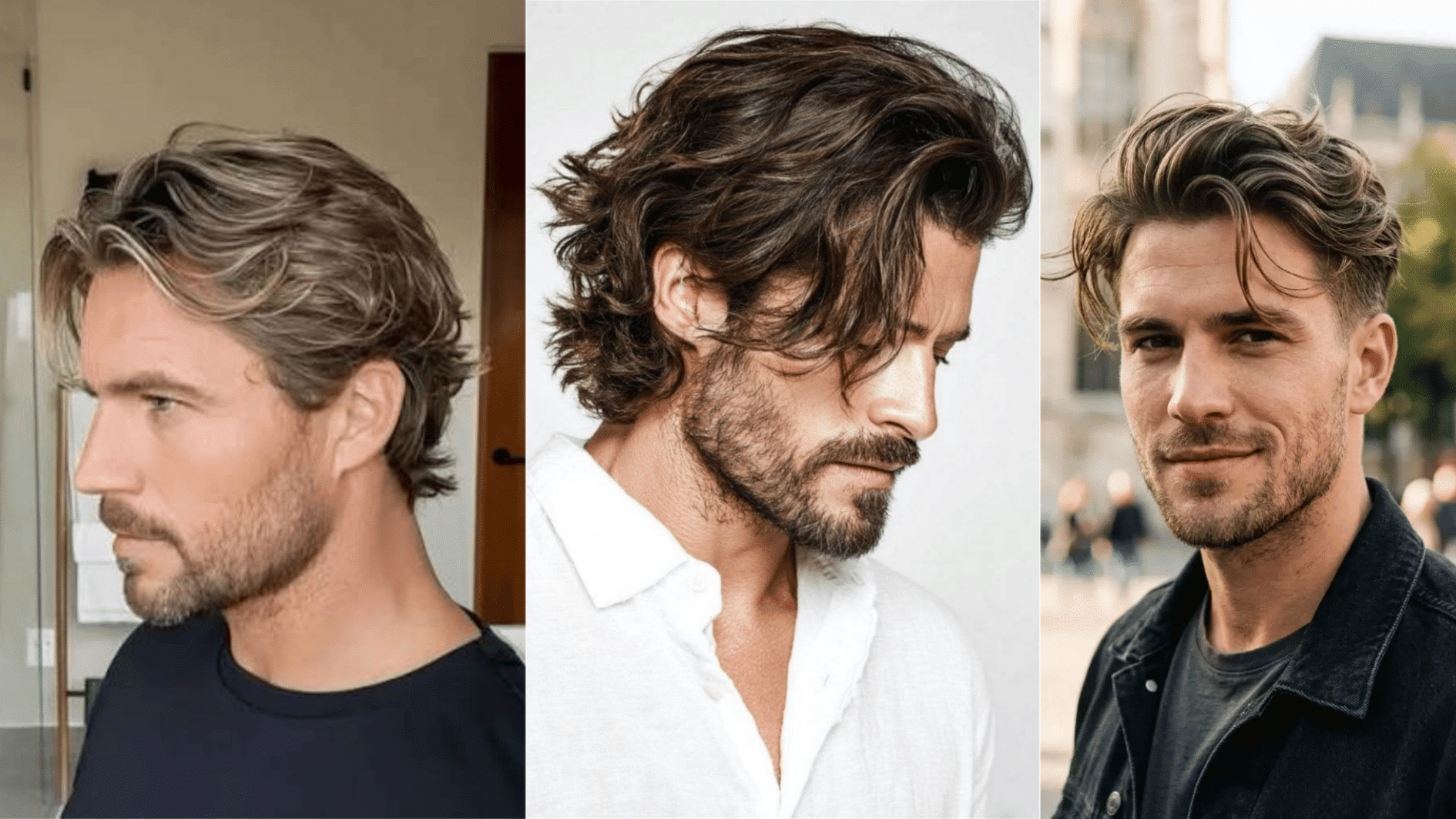
Not all surfer hair looks the same. The right variation depends on your hair type, face shape, and how much maintenance you are willing to tolerate.
The Surfer Flow
The surfer flow is the most requested version in 2026. It features medium-to-long hair that falls naturally around the ears and neck, with a middle or off-center part and soft, unstructured waves. The key is movement—hair should look like it is constantly catching a breeze, even when you are indoors.
This style works best for wavy or slightly curly hair. Straight-haired guys can still achieve it, but they will need more product and possibly a salt spray to build texture.
The Textured Crop with Quiff
For a shorter, more polished take, the textured crop combines a faded or tapered back and sides with longer hair on top. The top is styled upward and slightly forward into a loose quiff, then broken up with a matte clay or paste. This is the modern "surfer look" that became popular in the late 1990s and early 2000s—think James Dean energy, but with more product.
The Beachy Curtains
A 90s-inspired variation, beachy curtains feature a floppy fringe that parts in the middle and falls toward the temples. The hair is kept lighter and less product-heavy than the quiff style. Celebrities like Owen Wilson popularized the mid-length version in the 2000s, and it remains a low-effort option for guys with medium-length hair.
The Long and Wild
The traditional surfer style is still alive if you have the patience to grow your hair past your shoulders. This version embraces natural texture, minimal grooming, and a slightly sun-damaged, matte finish. It is the highest-commitment option but also the most authentic to the original surf culture.
Surfer Hair for Women
Women's surfer hair follows the same core principle: sun-streaked, tousled, and alive with texture. Fashion magazines have referenced "sun streaked surfer hair" as a desirable look for decades, and the modern interpretation leans into lived-in balayage, loose waves, and a slightly undone finish.
The key difference is that women's versions often incorporate more deliberate color work—hand-painted highlights that mimic natural sun bleaching—combined with layered cuts that encourage wave formation. A sea salt spray is usually the foundation product, followed by a light texturizing cream or mousse.
How to Get Surfer Hair: Step-by-Step

Surfer Hair: How to Get the Look in 2026 - How to Get Surfer Hair: Step-by-Step.
Achieving the look is less about a single product and more about a repeatable routine. Here is a practical workflow that works for most hair types.
Step 1: Start with the Right Cut
Ask your barber or stylist for a cut that preserves length on top while keeping the sides slightly tapered or natural. Avoid blunt, heavy lines. Point cutting and texturizing shears help create the piece-y, broken-up ends that make surfer hair work. If you are growing out from a short cut, expect an awkward phase around weeks 6–12—push through it.
Step 2: Wash Less, Condition More
Over-washing strips the natural oils that give surfer hair its matte, lived-in texture. Most people can drop to washing 2–3 times per week. On non-wash days, rinse with water and apply a lightweight conditioner to the ends only. If your hair gets greasy quickly, a dry shampoo or texturizing powder can absorb excess oil while adding volume.
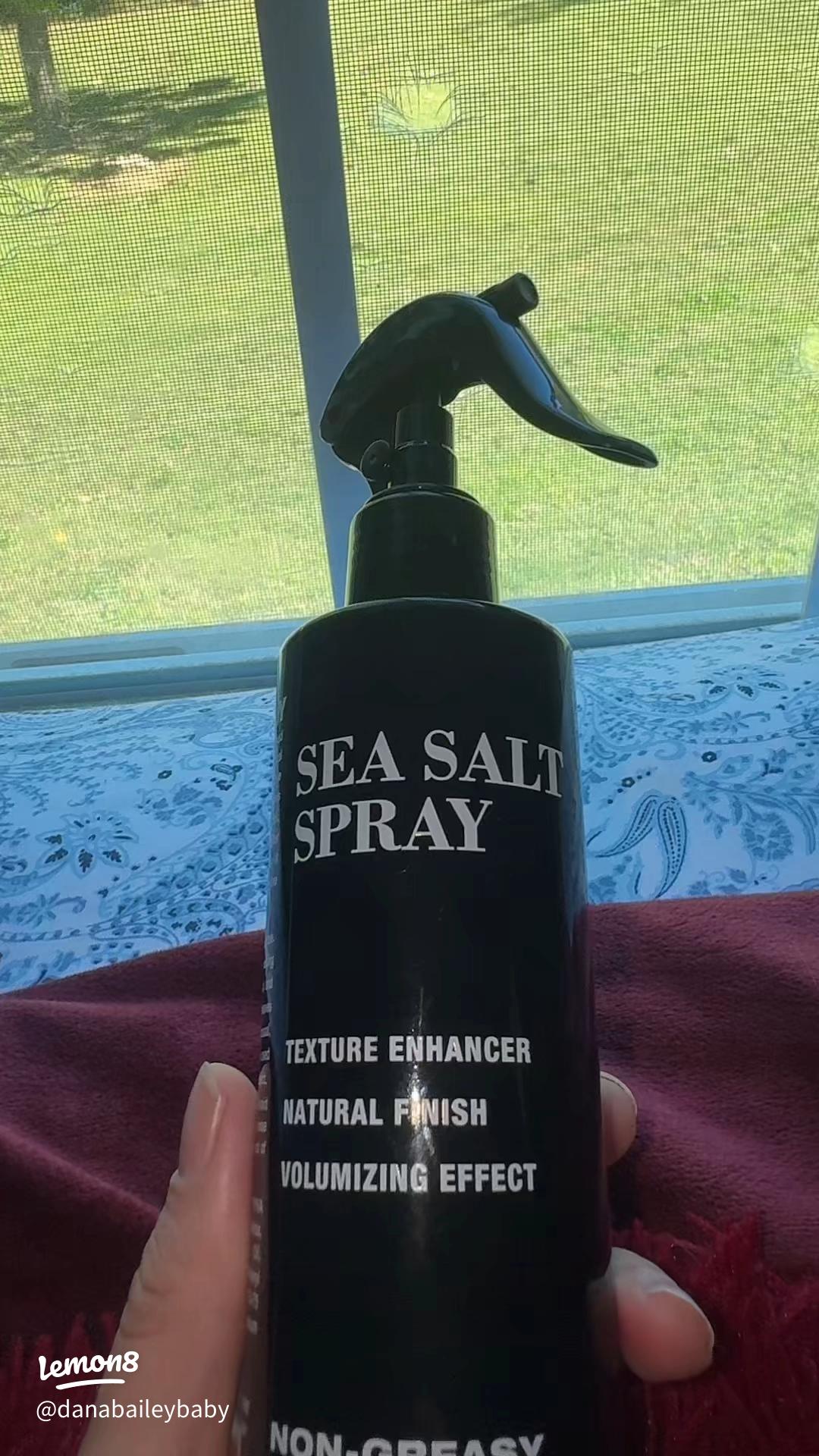
Step 3: Build Texture with Sea Salt Spray
Sea salt spray is the closest shortcut to actual ocean water. Apply it to damp hair, focusing on the roots and mid-lengths, then scrunch or twist sections with your fingers. Let it air dry for the most natural finish, or use a diffuser on low heat if you are short on time.
A basic DIY version: mix one cup of warm water, one tablespoon of sea salt, and a teaspoon of coconut oil or leave-in conditioner in a spray bottle. Shake well before each use.
Step 4: Add a Matte Product
Once your hair is dry, work a small amount of matte clay, paste, or texturizing cream through the mid-lengths and ends. Avoid anything with a shiny finish—surfer hair should look dry and natural, not greasy. Use your fingertips, not your palms, to keep the product concentrated where you need texture.
Step 5: Finish with Your Hands, Not a Comb
The golden rule of surfer hair: never comb it after styling. Use your fingers to push hair back from your forehead, then let it fall naturally. A quick shake of the head will help the layers settle into place. If you need extra lift at the roots, blast the roots with cool air from your dryer while lifting with your fingers.
Best Products for Surfer Hair
Product choice matters more than brand loyalty. Here is what each category actually does.
| Product Type | What It Does | When to Use |
|---|---|---|
| Sea salt spray | Adds grit, volume, and matte texture | On damp hair before air drying |
| Matte clay or paste | Provides hold without shine | On dry hair to define pieces |
| Texturizing powder | Absorbs oil and lifts roots | On second-day hair or fine hair |
| Leave-in conditioner | Prevents salt spray from over-drying | On damp hair before styling |
| Dry shampoo | Refreshes hair between washes | On non-wash days |
For a deeper comparison of styling tools and SEO-focused content workflows, check out our guide on SERP analysis and how to read Google results like an SEO strategist.
Common Surfer Hair Mistakes
Even with the right products, a few missteps can ruin the look.
Using too much product. Surfer hair should look touchable. If your hair feels crunchy or stiff, you have used too much. Start with a pea-sized amount and add more only if needed.
Blow-drying with high heat. Heat flattens natural wave and creates a polished finish that works against the aesthetic. Air drying or diffusing on low heat preserves texture.
Cutting the sides too short. A harsh fade can make the top look disconnected. Keep the sides slightly longer and blended for a more natural transition.
Fighting your natural texture. If your hair is straight, do not expect beach waves without significant effort. Work with what you have—straight surfer hair can look great with the right cut and a light texturizing product.
Surfer Hair vs. Other Textured Styles
Surfer hair is often confused with similar styles, but the differences are meaningful.
Surfer hair vs. shag: The shag has more aggressive layering and a rock-and-roll edge. Surfer hair is softer, with less defined layers and a more natural fall.
Surfer hair vs. bedhead: Bedhead is intentionally messy and unstructured. Surfer hair has a directional flow—it looks windswept, not slept-on.
Surfer hair vs. slicked back: Slicked-back styles use pomade or gel for a wet, shiny finish. Surfer hair is the opposite: matte, dry, and touchable.
If you are comparing content tools with the same level of attention to detail, our AgentBooks vs Contentpen vs SEO Writing comparison breaks down the differences in autonomy, research depth, and publishing workflows.
Related reading
- Yoast SEO Plugin: Setup, Features, and Real-World Workflow - Learn what the Yoast SEO plugin does, how to set it up, which free vs. Premium features matter, and how to fit it into a modern content workflow.
- Surfer Free Trial: SEO vs Golden Software Options Explained - Compare the Surfer SEO 7-day free trial with Golden Software Surfer's 14-day trial. Learn what each includes, how to sign up, and which fits your workflow.
- Yoast SEO Login: Step-by-Step Access to MyYoast - Learn how to log in to MyYoast, troubleshoot common sign-in problems, manage your Yoast SEO products, and connect your account to your WordPress site.
Sources and further reading
- 17 Cool Surfer Hairstyles For Men in 2026 - Longer the hair, the more “surfer boy” it will look. While surfer hair does require some shaping, the best surfer hairstyles are loose and unshaped. Wavy men, Hair for men, Long hairstyles for men
- how to get SURFER FLOW hairstyle in 2026! (Step-By-Step Guide) - 👉🏻 Be the first one to try my Hairstyle App: https://tinyurl.com/epp4fm56👉🏻 Want my help getting your perfect hairstyle? Fill Out the Form: https://forms...
Frequently Asked Questions
Can I get surfer hair if my hair is straight?
Yes, but you will need more help from products. A sea salt spray on damp hair, followed by scrunching and air drying, can create subtle wave. A texturizing powder at the roots adds lift. The result will be more of a textured flow than true beach waves, but it still reads as surfer-inspired.
How long does my hair need to be for surfer hair?
For the modern textured crop or quiff, 3–5 inches on top is enough. For a true surfer flow, aim for 6–10 inches. The long and wild version requires 12+ inches and significant patience.
Does surfer hair damage your hair?
Real surfer hair—the kind caused by actual sun and salt water exposure—does damage hair over time. Salt strips moisture, and UV exposure breaks down protein bonds. If you are replicating the look with products, use a leave-in conditioner and limit heat styling to keep your hair healthy.
What is the best surfer hair product?
Sea salt spray is the single most important product. It creates the matte, gritty texture that defines the style. Pair it with a matte clay or paste for hold, and you have a complete kit.
Can women get surfer hair?
Absolutely. The women's version emphasizes sun-streaked color, loose waves, and a lived-in finish. Layered cuts and balayage highlights are common starting points, with sea salt spray as the foundation styling product.
Conclusion
Surfer hair is a study in controlled effortlessness. It looks like you just stepped off the beach, but the modern version requires the right cut, a lighter washing routine, and a few well-chosen products. Whether you go for a short textured quiff, a mid-length flow, or the full long-hair commitment, the principles are the same: preserve texture, avoid shine, and let your hands do the styling work.
For teams and creators who want to publish search-ready content as consistently as they maintain their hair routine, an autonomous content platform like AgentBooks can handle topic research, SERP analysis, and publishing in your brand voice—so you can focus on the parts of your work that need a human touch. If you are still exploring your options, our SEO content generator comparison is a practical starting point.